


















The year is 2012. A film releases not with the marketing blitz of a typical Bollywood blockbuster, but with slow-burn confidence. Cocktail goes on to gross over ₹126 crore (over £10 million), ignite a thousand arguments about its pivotal characters, Veronica versus Meera, and rewrite the rules of what female friendship could look like on the silver screen. It will also introduce the world to Diana Penty, a 20-something model from Mumbai, cast opposite Deepika Padukone and Saif Ali Khan. She played Meera: a girl so earnest, so rooted, so real that audiences instantly fell for her. Over a decade later, the film is still a cult. And Diana? Still one of the most compelling things about it.
This was before social media turned every movie moment into a metric. Back then, relevance wasn’t algorithmic. It spread the old-fashioned way, with friends dissecting scenes over coffee, with cousins passing down recommendations, with office chatter by the water cooler, the organic build of a film finding its people. Cocktail didn’t “trend”, instead it lingered. And so did Meera.
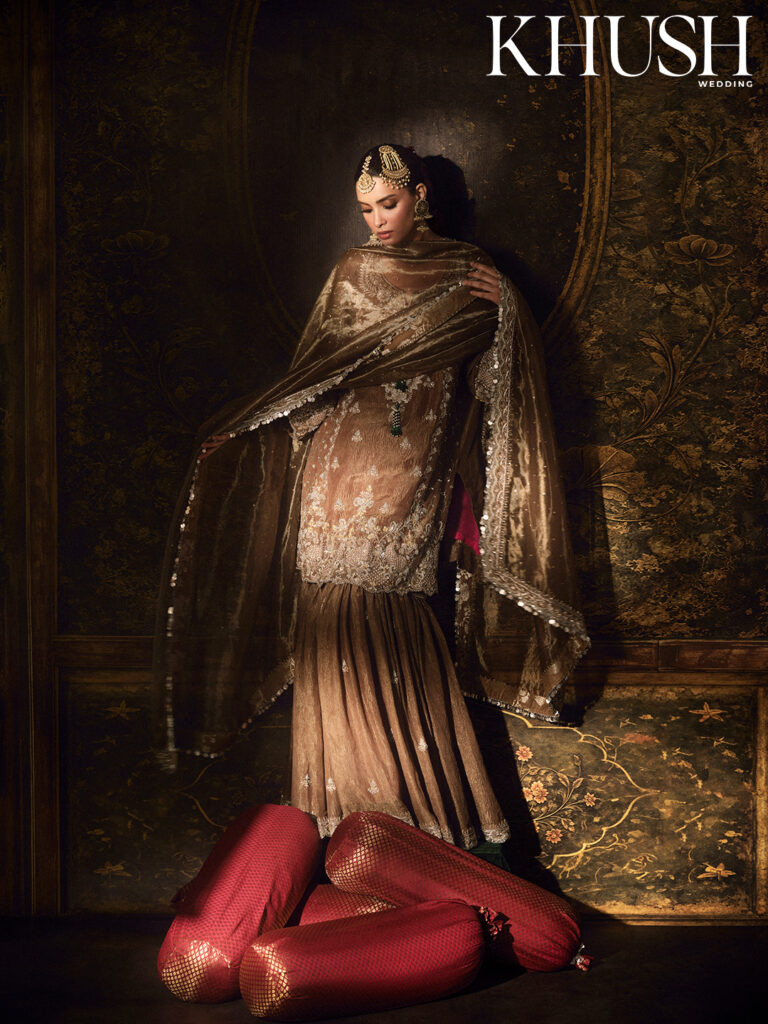
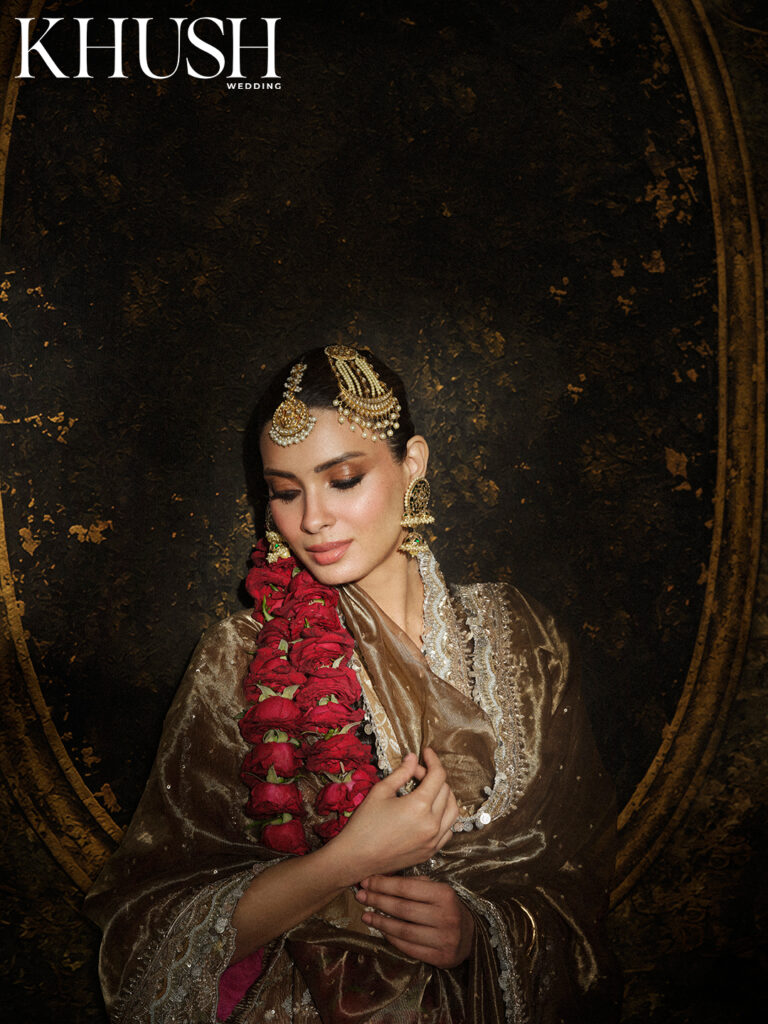
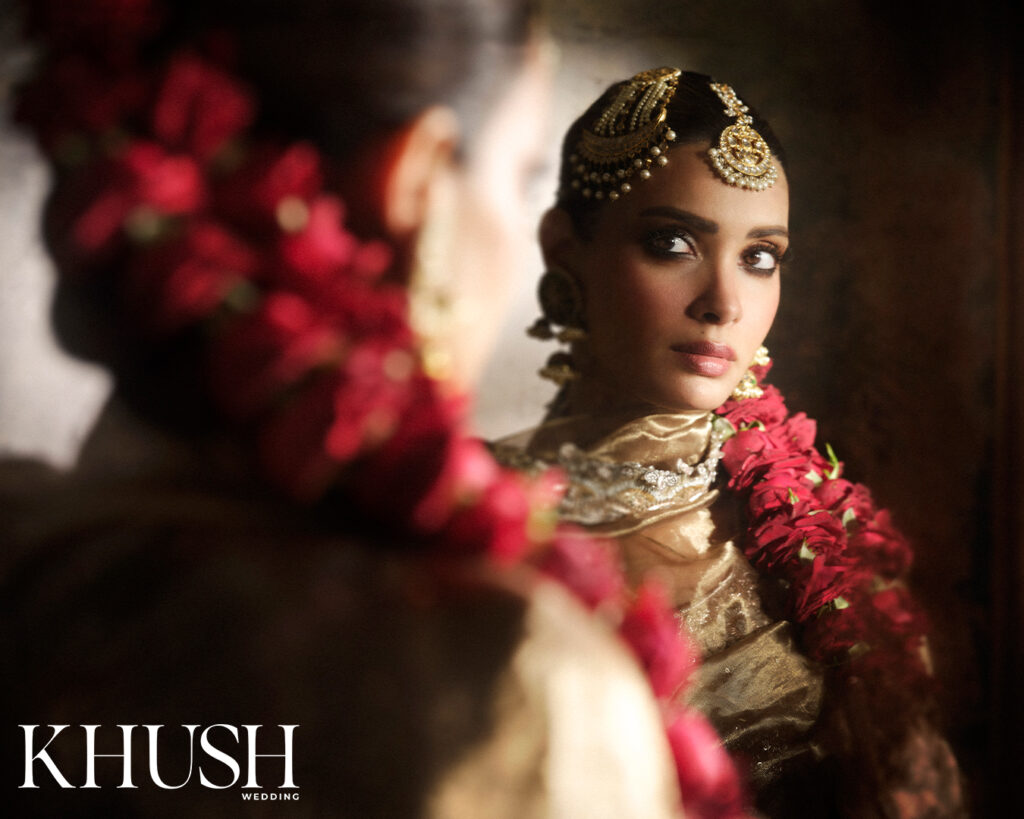
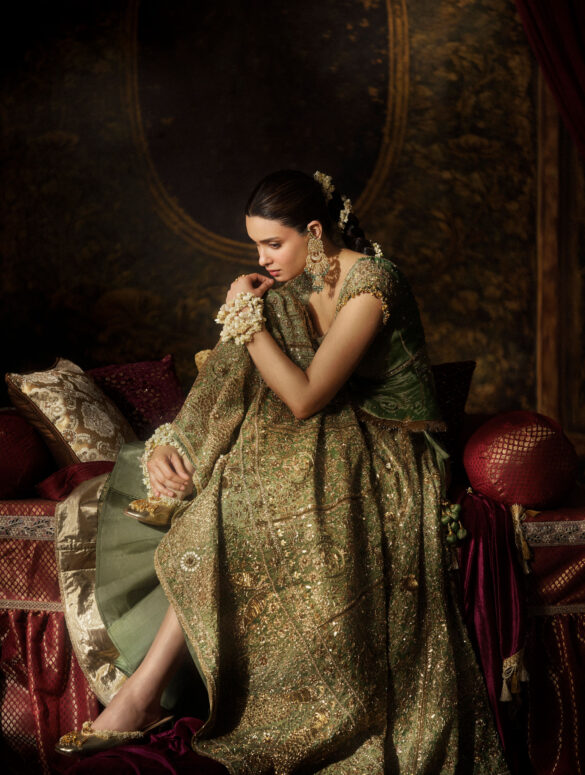
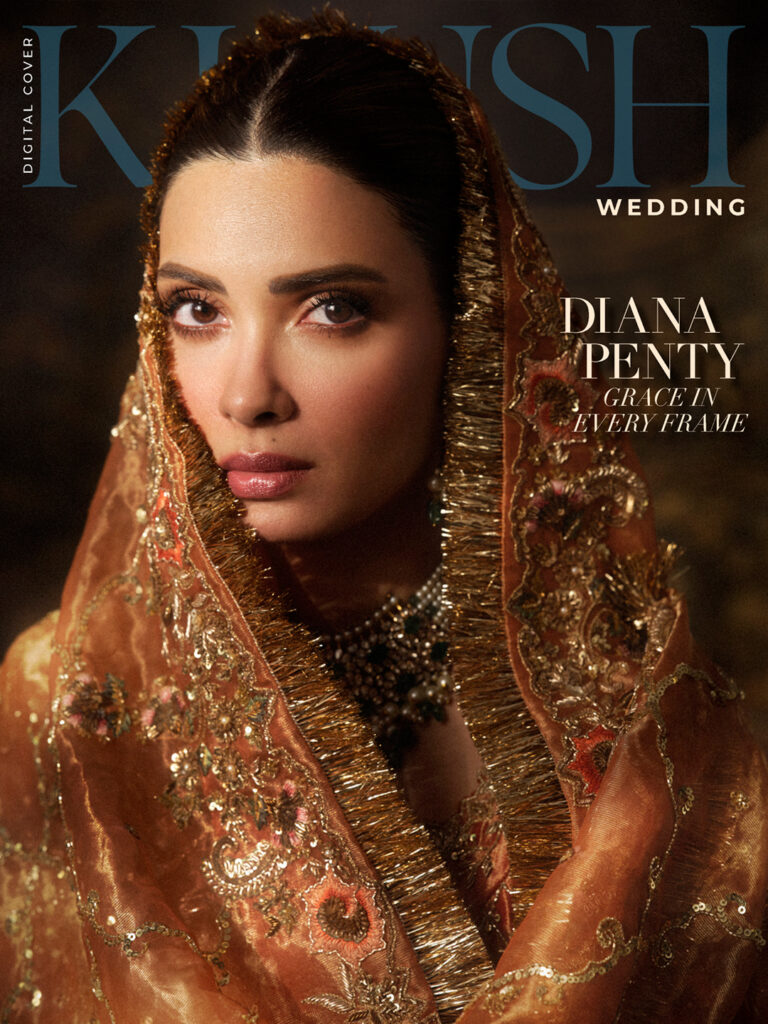
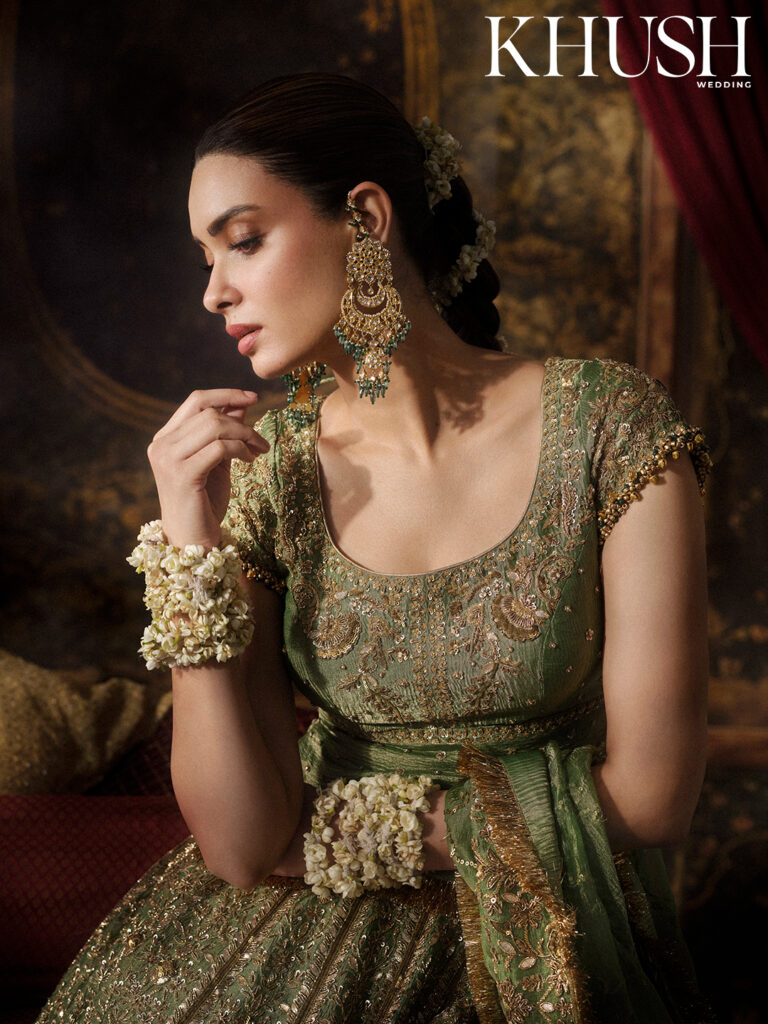
I meet her over a decade and later in February 2026 on the set of Khush Wedding’s digital cover shoot in Mumbai. Draped in handwoven textiles and heritage jewellery, she’s essaying the role of a modern-day Mughal princess. Her transformation is striking, but not surprising. She has always possessed an innate old-world stillness. “I’ve always been a private person,” she says, almost as a preface to everything that follows. “When I started out, visibility was tied to your work, be it films, ads, magazine covers. But with social media, it expanded into the in-betweens—your life beyond work. That shift took getting used to.”
In many ways, Diana has built a career by resisting that expansion. She has been in a long-term relationship for years and one she neither denies nor commodifies. “I don’t feel the need to be constantly visible,” she continues. “I see it as something intentional—I show up when it’s relevant to my work and prefer to let that speak for itself.” It’s a philosophy that feels rare and perhaps explains her enduring intrigue.
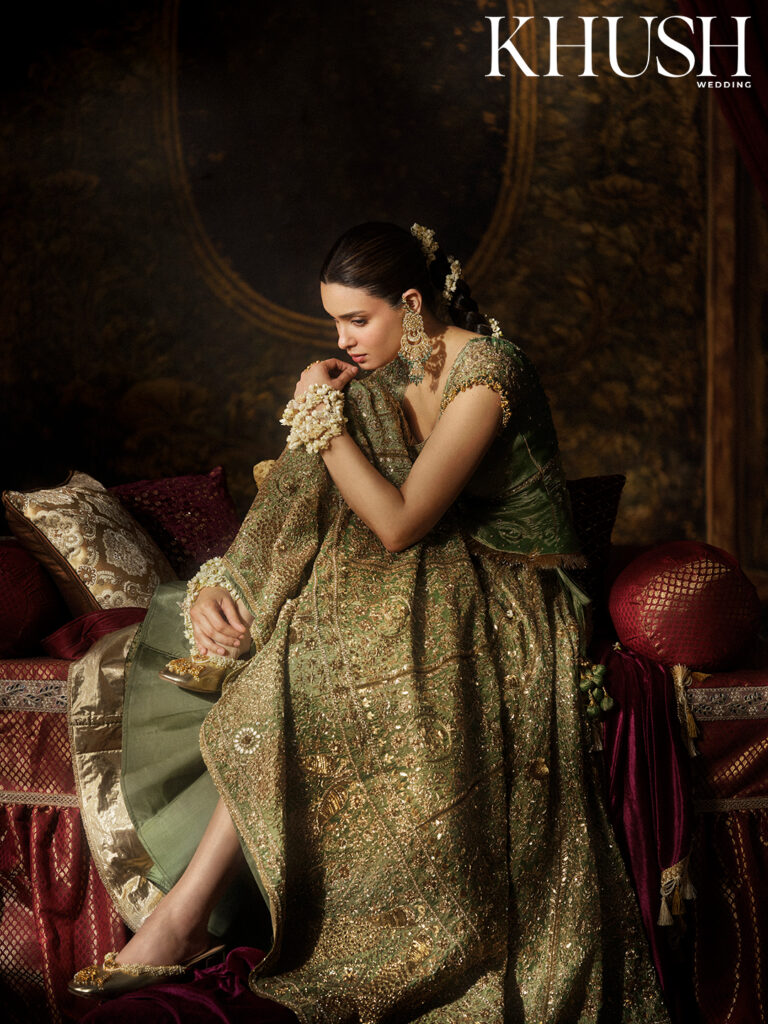
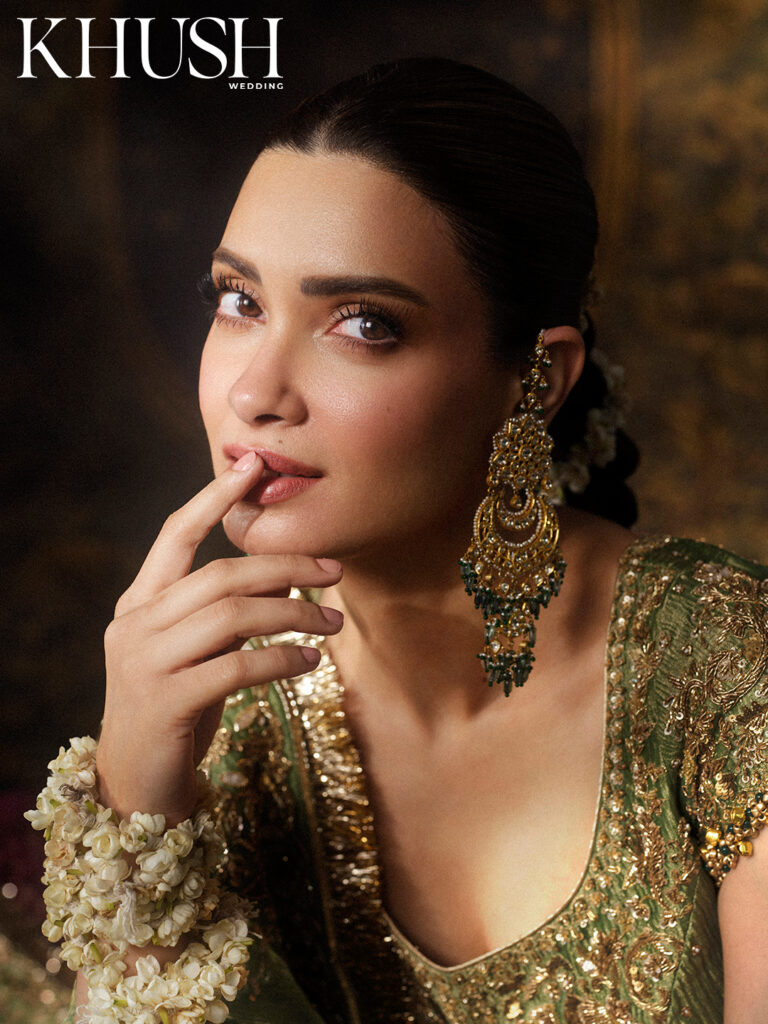
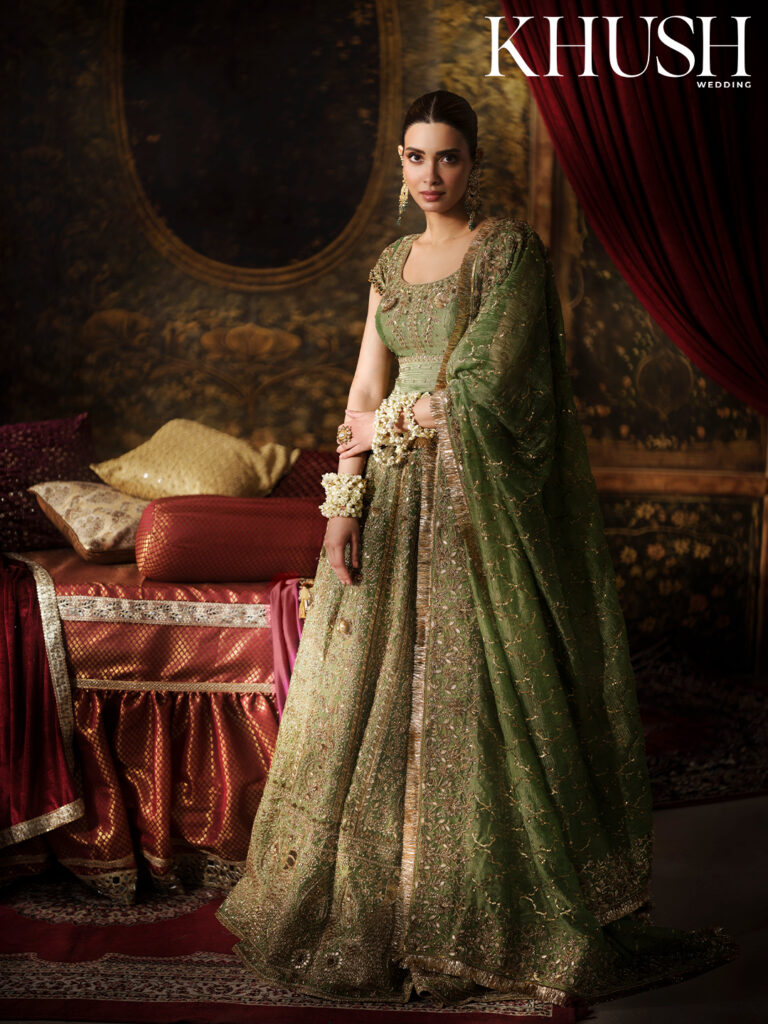
Meera, The Simple Girls Who Broke Hearts
How Diana came to be cast in the film is a story in itself. She had been scouted as far back as 2008, had walked the Paris and New York fashion weeks, had replaced Deepika Padukone as the face of Maybelline India, and had even turned down Imtiaz Ali’s Rockstar opposite Ranbir Kapoor due to prior modelling commitments. It was Imtiaz who later nudged her toward Cocktail. Fate, it seems, has a fondness for irony. Set between London rooftops and Cape Town sunsets, the film was, on the surface, a love triangle. But beyond its glossy exterior, the plot thickened into something more nuanced. It explored the complexities of identity, friendship and relationships. Veronica was unapologetic, larger than life and drunk on her own freedom, while Meera offered a traditional, more rooted counterpoint. It was this contrast that stayed with audiences and critics, prompting conversations that went far beyond the film itself.
Looking back, Diana meets that version of herself with tenderness and critique. “I’d tell her to be kinder to herself, and not be so afraid of making mistakes,” she says, adding, “I was completely new, stepping into a big project without much experience. I’d tell her to relax a little—because sometimes that fear takes you away from simply being present in the scene.” More than a decade later, Cocktail still has a hold on audiences that surprises even her and now with Cocktail 2 in pipeline. “It feels like a blessing, honestly. Not many actors have a film that continues to live on the way Cocktail does. Of course, it sets a certain benchmark, but I don’t see it as a shadow. It’s more like a foundation I’m grateful for.”
And then, at a time when most newcomers would capitalise on momentum, she stepped away. A four-year hiatus followed, which in hindsight, feels entirely on brand for her. “I was clueless. I didn’t understand the industry, what success meant, or how anything would unfold. I’ve never planned my life in a structured way. It’s always been about taking things one step at a time.” When she returned, it was with Happy Bhag Jayegi (2016), where she played a runaway bride with an endearing unpredictability. Co-starring Ali Fazal and Abhay Deol, the film became a sleeper hit, reaffirming her ability to standout on- and off-screen.
Her choices since have resisted categorisation. In Lucknow Central, she played Gayatri, an NGO worker advocating for prison inmates opposite Farhan Akhtar. In Parmanu: The Story of Pokhran, she stepped into the role of Captain Ambalika alongside John Abraham. And in Adbhut, she leaned into mystery opposite Nawazuddin Siddiqui, exploring a more atmospheric space. Her filmography is shaped by instinct and variety. “I’ve made a certain conscious effort to play different roles and do different genres because that’s the way it’s challenging and keeps things exciting for me.”
Staying Creative & Still
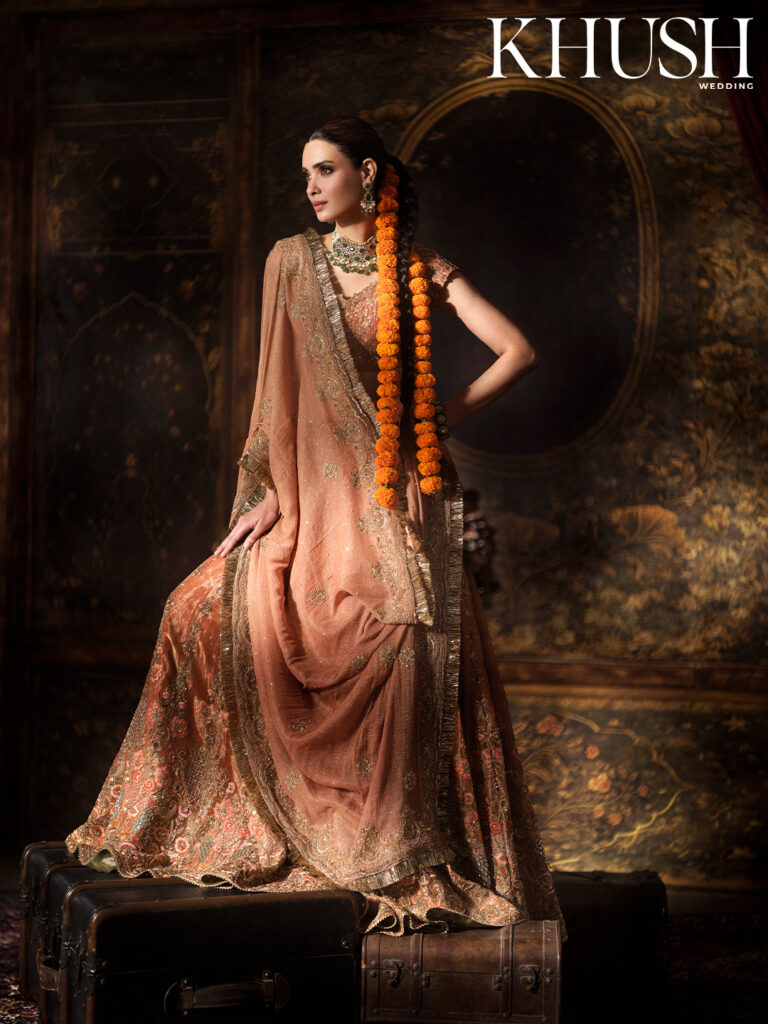
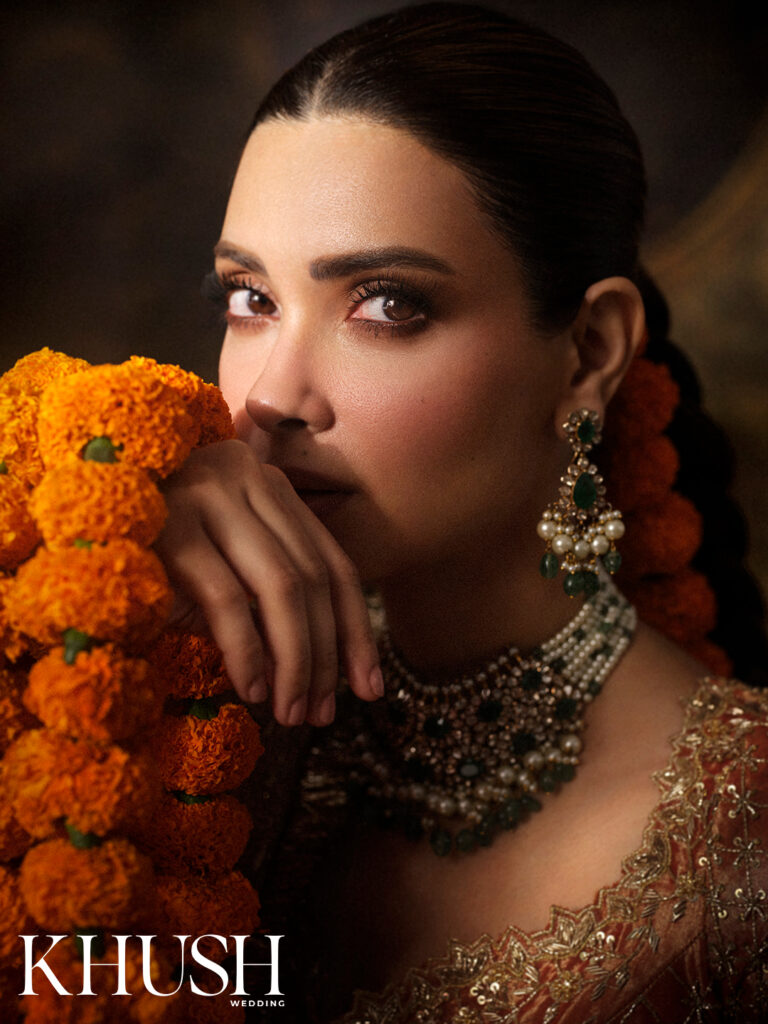
She is also candid about the film industry’s unspoken pressures. “There is definitely an unspoken pressure, especially for women. But I think that narrative is slowly shifting. I have always believed in evolving at my own pace.” With the rise of streaming reshaping how success is measured, I ask her whether actors today are judged more on performance or on numbers. “The metrics have definitely expanded. It’s not just box office anymore, but also numbers, reach, engagement. That said, I still believe performance and storytelling hold long-term value. Numbers fluctuate, but good work stays.” It’s a philosophy that ties back to how she chooses her roles too. “Today, when reading scripts, if I can see myself in that world, if the character lingers with me even after I’ve finished reading, that’s a good sign. I look for honesty in the writing—honesty and authenticity is always relatable. Longevity, for me, is far more interesting than quickly peaking and then fading.”
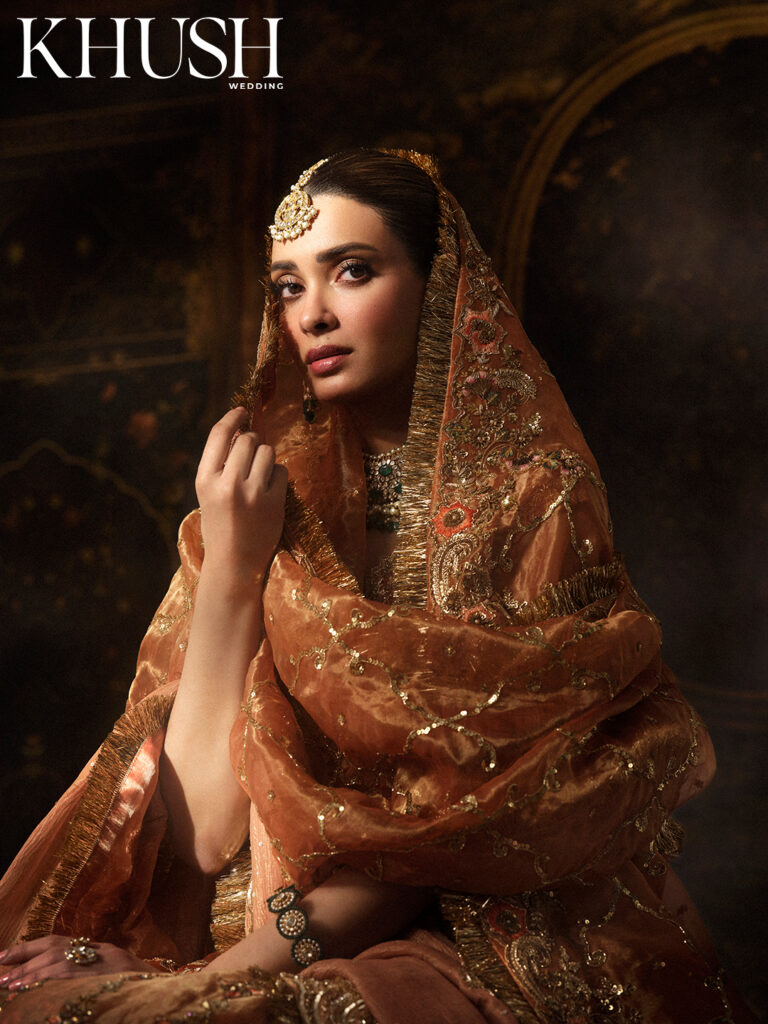
What has shifted the most is Diana’s sense of self. “Honestly, everything feels more in control now—my choices, my decisions, my sense of self,” she says. “When you’re starting out, you’re trying to find where you belong, trying to do the ‘right’ thing. But over time, that shifts. Today, my choices come from a place of conviction. I feel more at ease.” That sense of lightness and stillness extends into how she approaches creativity too. “I travel, I read, I observe people,” she says. “Even doing nothing sometimes is part of the process—it allows things to settle and new ideas to come in.” However, self-doubt, she admits, hasn’t disappeared. It just no longer defines her. “What helps me is perspective and reminding myself why I started, and that my worth isn’t tied to one project or one phase. My family and close friends keep me grounded.”
Food For Thought
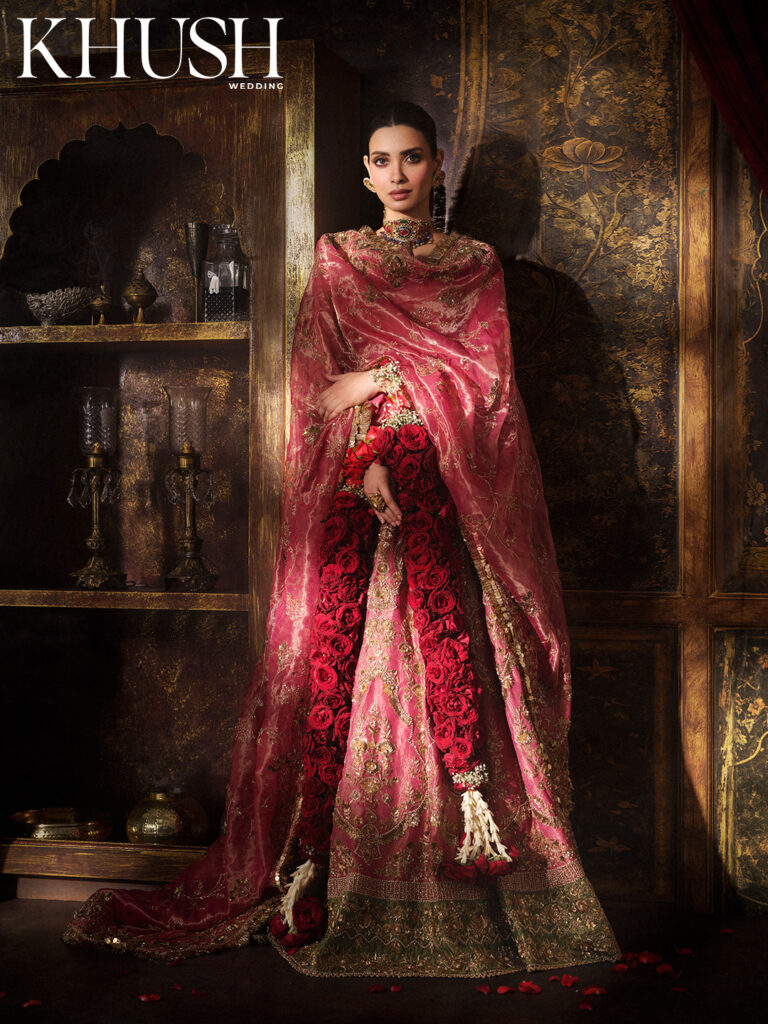
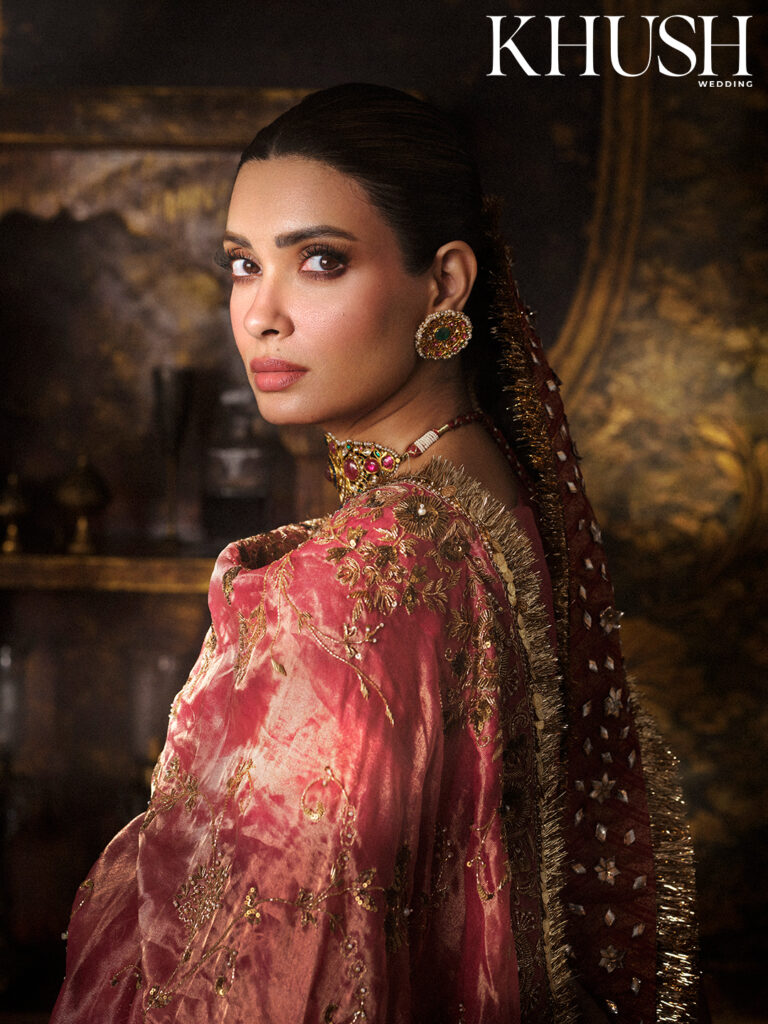
If there’s one area where her discipline softens, it’s food. “I love food—I genuinely live to eat. I’m the kind of person who’s already thinking about my next meal.” On set, when she is enthusiastically ordering idlis, dosas and sandwiches for herself is proof. “I believe in moderation. That said, my willpower isn’t always the best. It’s a work in progress.” Fitness, for her, is less about aesthetics and more about equilibrium. “It’s a combination of physical strength, mental balance, and feeling good in my body. It’s less about how it looks and more about how it feels.”
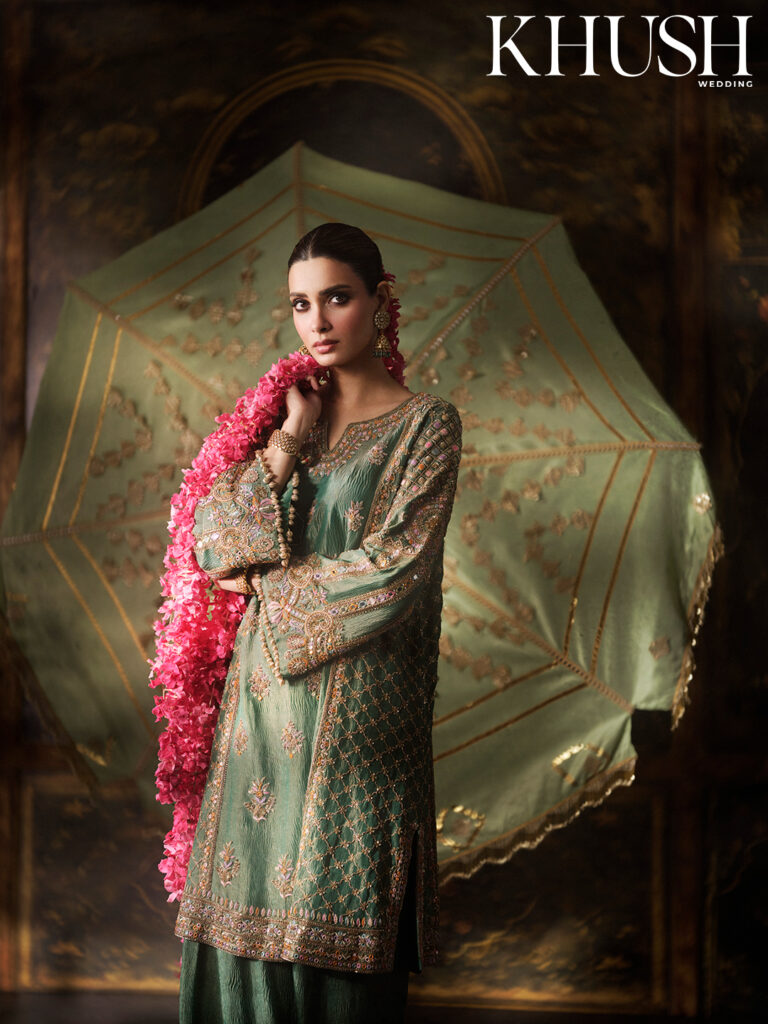
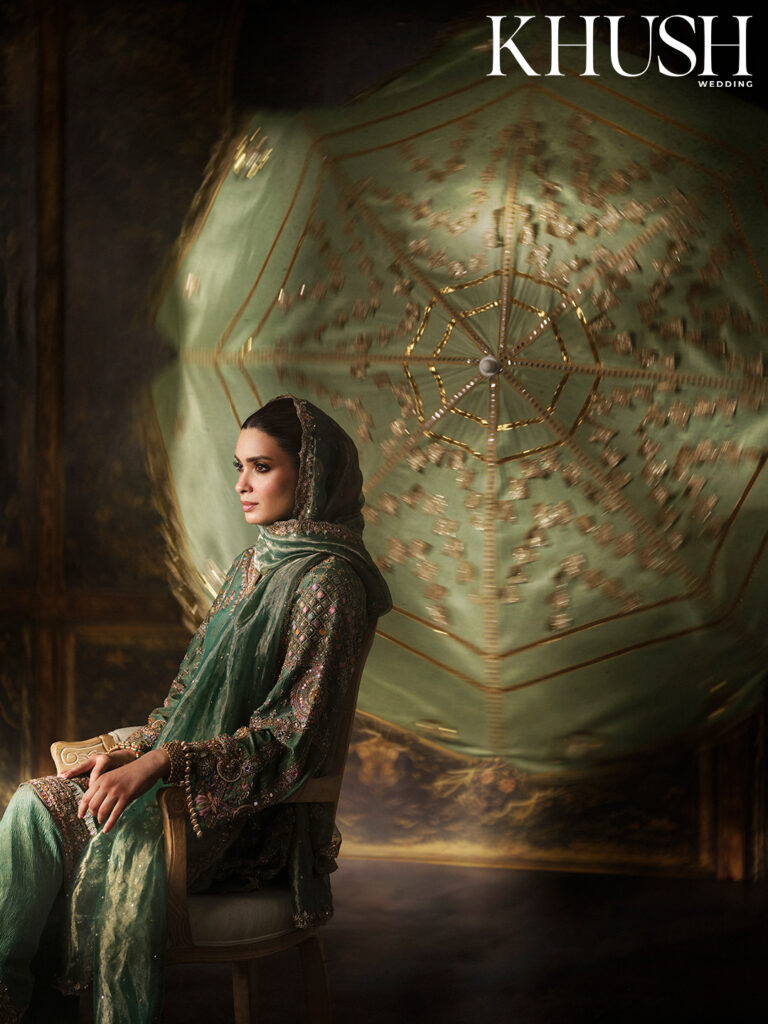
Off-camera, the woman her inner circle knows is both familiar and surprising. “With my close friends, I have no filters—that’s where my silly side comes out. I can be quite witty, with a dry, self-deprecating sense of humour,” she says, hinting at a playfulness that contrasts her composed exterior. As we wrap, I ask her what relevance means in an age of constant visibility. “For me, it isn’t about being everywhere. It’s about being authentic in what you choose and how you show up.”