



















For decades, movies have sold us the idea of happily-ever-afters. But real relationships carry the weight of compromise and change, and sadly, not all of them endure. This gap between ideal and real has given rise to honest storytelling in cinema. It looks closely at what happens when marriage falters or falls apart. Thankfully, divorce in cinema has moved beyond scandal or shame. Today, Bollywood and Hollywood treat it as a turning point that’s messy, painful, liberating and at times, unexpectedly funny. Some of the most compelling films on separation don’t just chronicle endings, but examine how identity, dignity, friendship, parenting and the hope of starting again survives them.
From silent heartbreaks to explosive confrontations, from rediscovering the self to rebuilding families in new forms, we list films that capture the layered reality of divorce. Each movie prove that sometimes, breaking apart is a way of becoming whole.
Bollywood’s Most Honest Takes On Divorce
We Are Family (2010)
Maya (Kajol) and Aman (Arjun Rampal) are divorced parents navigating co-parenting, until Aman’s new partner Shreya (Kareena Kapoor Khan) enters their lives, forcing them to redefine what family looks like. While Shreya starts off as an outsider, but gradually builds a genuine, affectionate bond with the children and finds her place within the family. This compels Maya to confront her deepest fears of not just of being replaced, but of what family means. This poignant portrayal proves divorce doesn’t end a family, but reshapes it. The film explores co-parenting with empathy, showing how maturity, acceptance and compassion can create new, functional bonds even after a marriage ends.
Kabhi Alvida Naa Kehna (2006)
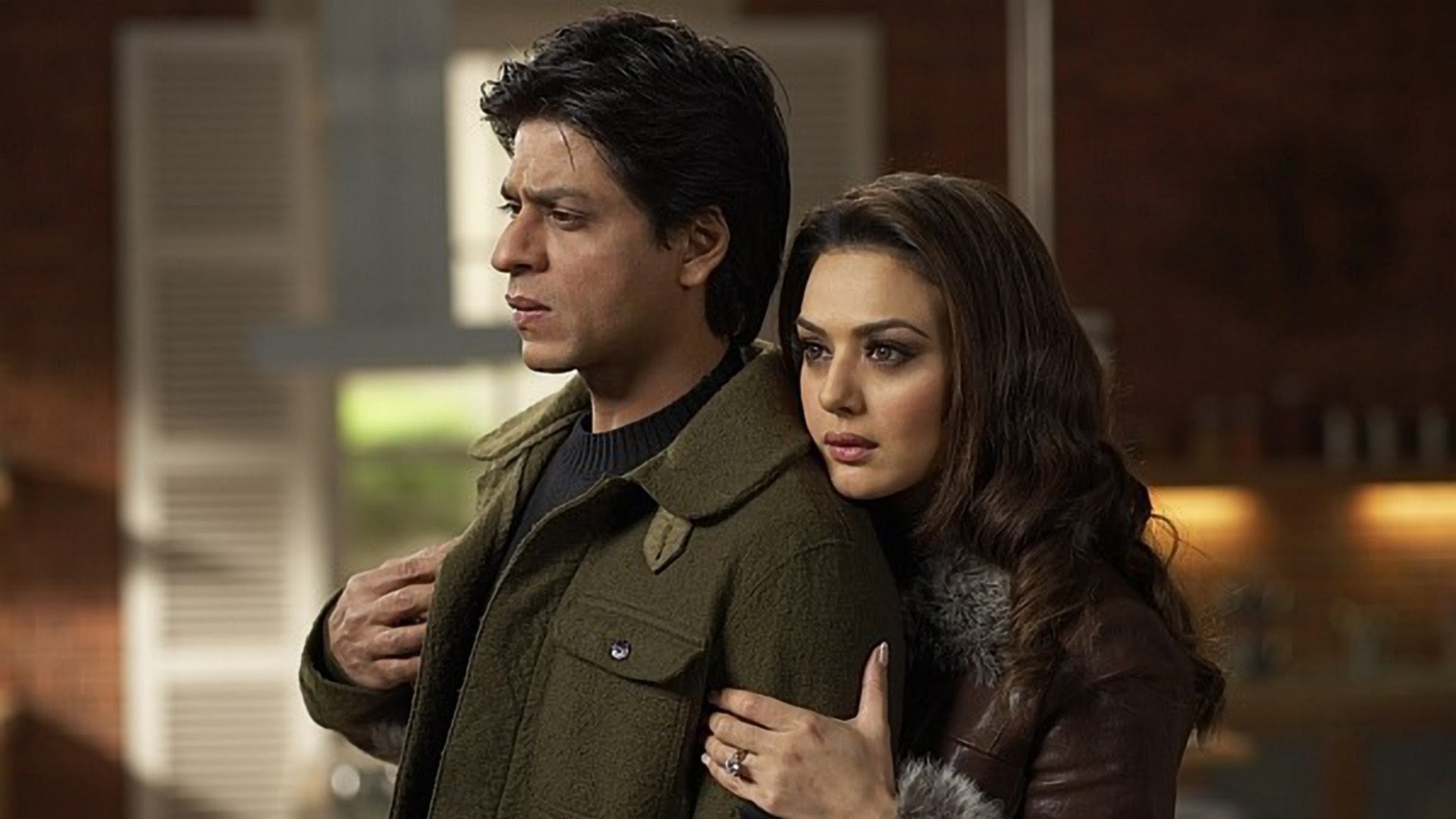
With a cast as stellar as their performances, this film revolves around two unhappily married people, Dev (Shah Rukh Khan) and Maya (Rani Mukerji). They meet by chance and fall into an emotional affair after recognising the companionship and understanding missing in their own marriages. Dev is in a cheerful but hollow marriage with Rhea (Preity Zinta), while Maya feels stuck in a well-meaning but emotionally mismatched union with Rishi (Abhishek Bachchan). For 2006, this was a remarkably daring film for Bollywood. It didn’t romanticise the affair nor punish the characters. Instead, it asked a harder question: is staying in a loveless marriage a noble choice? It suggests that honesty, even when painful, may be kinder than lifelong dissatisfaction.
Thappad (2020)
When a public slap from her husband Vikram goes unacknowledged and unapologized, devoted homemaker Amrita, played by Taapsee Pannu, makes the radical choice to walk away. The incident unravels years of unsaid imbalance in their relationship, forcing not just her family but the women around her to confront their own silent compromises. Divorce in this film isn’t born of betrayal, but of one moment that exposed everything. Thappad quietly but powerfully reframes dignity as non-negotiable, making it one of Bollywood’s most important films about self-respect and the courage it takes to demand it.
Jugjugg Jeeyo (2022)
Released in 2022, this family comedy-drama sees Kuku (Varun Dhawan) and Naina (Kiara Advani), a young couple who decide to get a divorce. But when they travel home for Naina’s parents’ anniversary celebration, they delay making the announcement to their parents. The trip takes an unexpected twist when Kuku discovers that his father Bheem (Anil Kapoor) harbours the same secret. He, too, wants to leave his wife Geeta (Neetu Kapoor). What unfolds is a funny yet emotional tug-of-war between generations. The film shows us that marriages at every stage have its own struggles. And the reasons people stay or leave are rarely black and white. But maturity lies in choosing each other consciously, not just out of habit or obligation.
Haq (2025)
Inspired by the landmark Indian Supreme Court judgment in the Shah Bano case, Haq chronicles Shazia Bano’s story. Her world falls apart when her husband Abbas abandons her and their three children after secretly taking a second wife. When he stops paying maintenance and silences her through triple talaq, Shazia, brought to life by Yami Gautam Dhar’s career-best performance, takes the bold step of going to court. It begins as a personal fight for survival but grows into a national debate about faith, women’s rights and justice. The movie teaches us that divorce, especially for women, is as much about reclaiming agency as it is about ending a relationship. The film leans into the idea of haq, one’s right to dignity, choice and independence. It proves that walking away is not weakness, but a powerful act of self-definition.
Hollywood’s Most Nuanced Divorce Stories
Kramer vs. Kramer (1979)
Dustin Hoffman plays Ted Kramer whose world is upended when his wife Joanna Kramer (Meryl Streep) suddenly walks out. A career-driven New York ad executive, he learns how to raise their young son Billy alone. Their awkward father-son adjustment slowly blossoms into a deep bond, only to be threatened when Joanna returns and fights for custody in a bitter courtroom battle. The film unflinchingly portrays how divorce reshapes identities, turning a neglectful husband into a devoted father and a dismissed wife into a woman reclaiming her sense of self. It teaches us that parenthood is not defined by biology or legal rights, but by the everyday sacrifices and presence we choose to give. Released in 1979, this Academy Award-winning drama remains as relevant as ever, nearly five decades later.
Under the Tuscan Sun (2003)
A San Francisco-based writer, Frances Mayes’ (Diane Lane) life unravels as her husband leaves her for another woman unexpectedly. On impulse, she joins a tour to Tuscany and spontaneously buys a crumbling Italian villa as a hope for a fresh start and build her sense of self. What follows is less a story about finding a new love and more a warm tale of rediscovering joy, purpose and belonging. The rom-com leans into reinvention. It reinstates that healing doesn’t arrive all at once, but through small, beautiful acts of living again.
Blue Valentine (2010)
Blue Valentine tells the story of Dean (Ryan Gosling) and Cindy (Michelle Williams), not in a straight line, but in two timelines running side by side. One captures the hopeful early days of their romance, and the other the raw, suffocating reality of where that same love has arrived years later. The contrast is heartbreaking and forces you to watch a relationship die while simultaneously remembering exactly why it once felt so alive. There are no villains here, but just two people who grew in different directions. It teaches us that not all marriages end in a single moment. Some fade in slow, painful increments. The film’s power lies in its honesty, showing how love can erode under unmet expectations and emotional distance.
Enough Said (2013)
This rom-com movie centres on Eva (Julia Louis-Dreyfus), who is a divorced masseuse navigating the awkward joy of dating again in middle age and unexpectedly falls for the warm and easy-going Albert (James Gandolfini). What she doesn’t realise is that Albert is the ex-husband of her newly made friend Marianne, whose endless complaints about him begin to quietly poison Eva’s own budding feelings. The film is a tender, bittersweet comedy about the baggage we carry into new relationships and the self-sabotage that fear of being hurt again can trigger. Tragically, James passed away before the film was released, lending his performance an added poignancy.
Marriage Story (2019)
Marriage Story follows Charlie (Adam Driver) and Nicole (Scarlett Johansson), a theatre director and actress couple, as they navigate a painful and emotionally exhausting divorce. It begins as an amicable separation but slowly unravels into a bitter legal battle about custody of their son, distance and wounded pride. The film captures the human contradictions of loving someone while simultaneously tearing apart a life built together. The film’s brilliance lies in showing that endings don’t erase care. It’s an incisive and compassionate look at how communication and empathy, when neglected, can turn even the most loving relationships into battlegrounds.