
















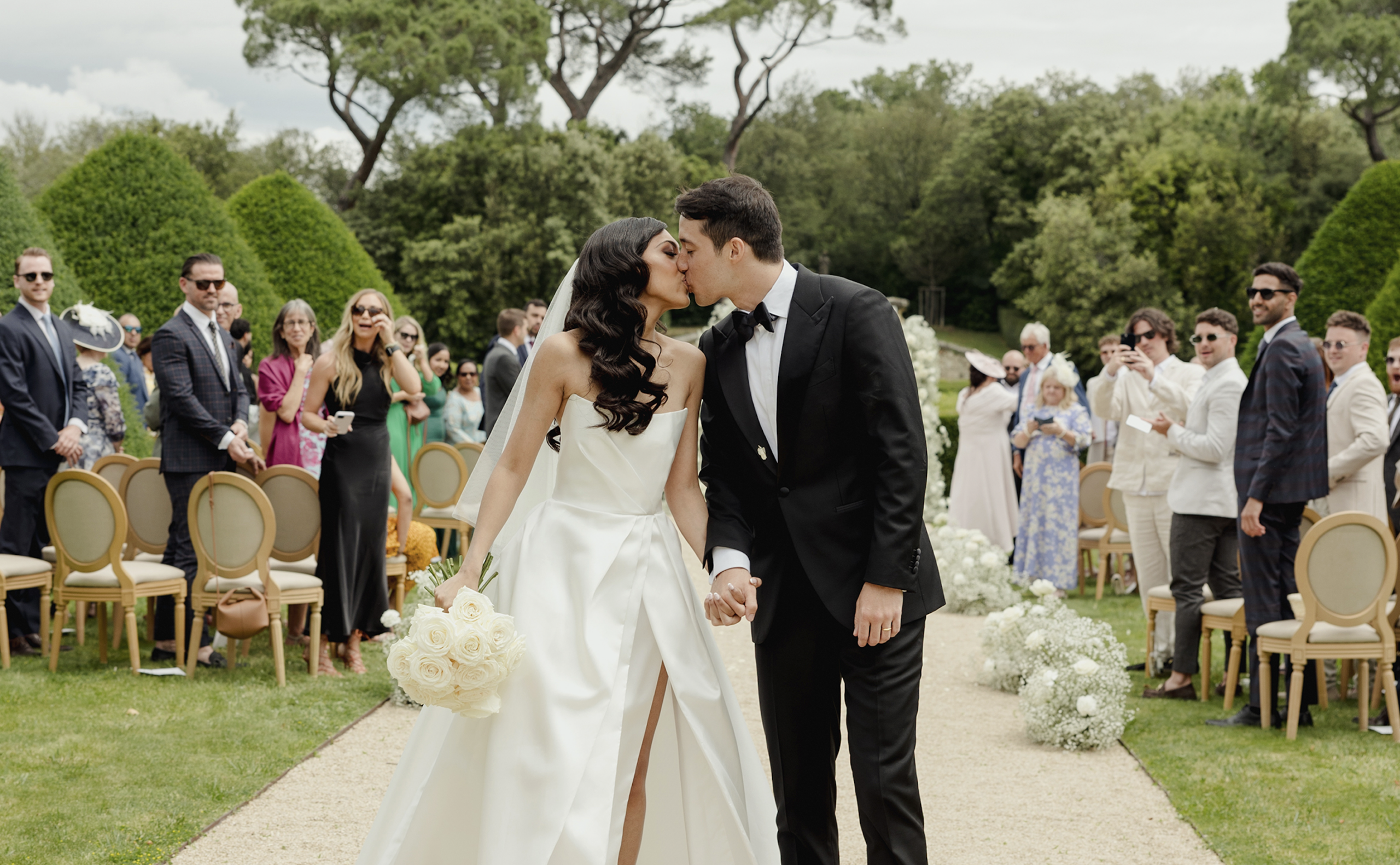
Couples speak about almost everything before the big day, from travel plans and wedding aesthetics to where to honeymoon and what furniture to buy, even the perfect Instagram caption for their engagement post. Yet many avoid the conversations that will actually define the quality of their marriage once the celebrations end. Not because these topics are unimportant, but because they feel uncomfortable, unromantic or too serious too soon. The irony is that silence rarely protects a relationship. It simply delays conflict. The strongest marriages are not built on perfect compatibility, but on the willingness to have honest conversations before real life begins to test the relationship.
What does money mean to each of us?
Finances are one of the most avoided pre-marriage conversations. Beyond salaries and savings, couples rarely discuss their emotional relationship with money. One may value luxury and experiences, while the other prioritises security and long-term planning. In South Asian households especially, money is also tied to family obligations and lifestyle expectations. Conversations around debt, financial transparency and supporting parents often stay vague until they become major sources of tension later.
What kind of personal and professional life are we building together?
Early relationships thrive on adaptability, but marriage demands clarity. Does one partner envision a domestic life while the other is career-driven? What does work-life balance actually mean to each person? The modern marriage increasingly involves two individuals with equally strong aspirations, but society hasn’t caught up with what that dynamic requires. Conversations about whose career takes precedence after children, how responsibilities will be divided or expectations on traditional gender roles are often avoided but are necessary.
Are our lifestyles compatible?


Many couples mistake shared interests for compatibility. Liking the same music, restaurants, or destinations doesn’t mean two people can comfortably share a life together. Daily habits eventually shape a marriage. You may love hosting friends every weekend but your partner may value privacy. You may thrive on discipline, while your partner may prefer spontaneity. Even ideas of cleanliness, work-life balance, fitness or socialising can become recurring arguments if never discussed beforehand.
What will be acceptable family boundaries?
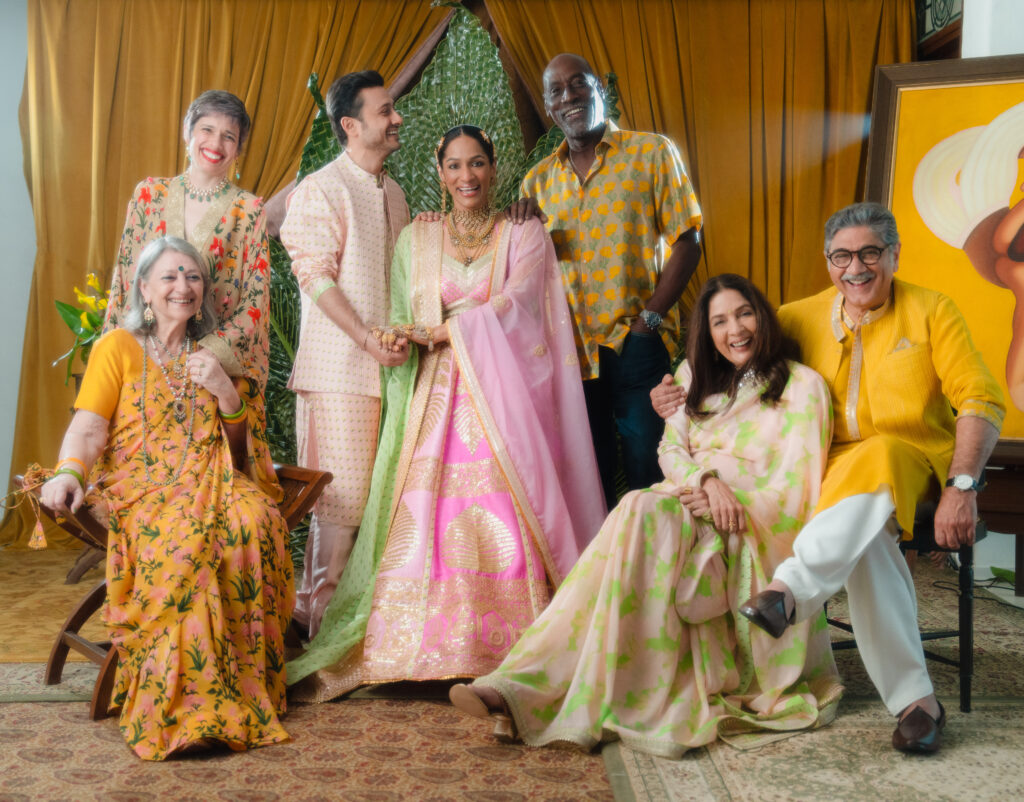
Weddings may celebrate two individuals, but marriages often involve entire ecosystems of parents, siblings, traditions and expectations. Many couples avoid discussing family boundaries before marriage to maintain peace. But unspoken expectations around family involvement rarely disappear. How often will extended family visit? Will parents influence major decisions? What happens when one partner feels unsupported during conflicts involving in-laws? These conversations are uncomfortable yet avoiding them only creates confusion.
How do we handle conflict, affection and emotional needs?
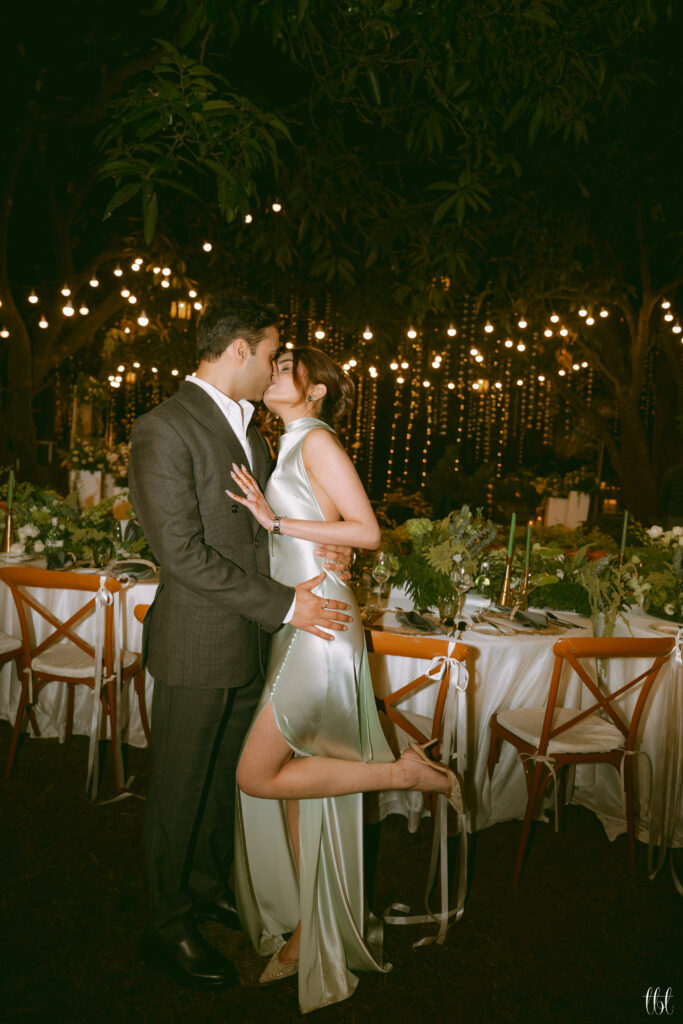
Many couples discuss romance, but fewer talk about emotional needs and communication styles. Some need reassurance during conflict, while others withdraw. Some grew up in emotionally expressive homes, while others learnt to suppress discomfort. Without understanding how you and your partner process stress, anger or affection, even minor disagreements can turn into patterns of misunderstanding. Love alone cannot sustain a marriage if you fundamentally struggle to communicate with each other.
Do we want children, and when?
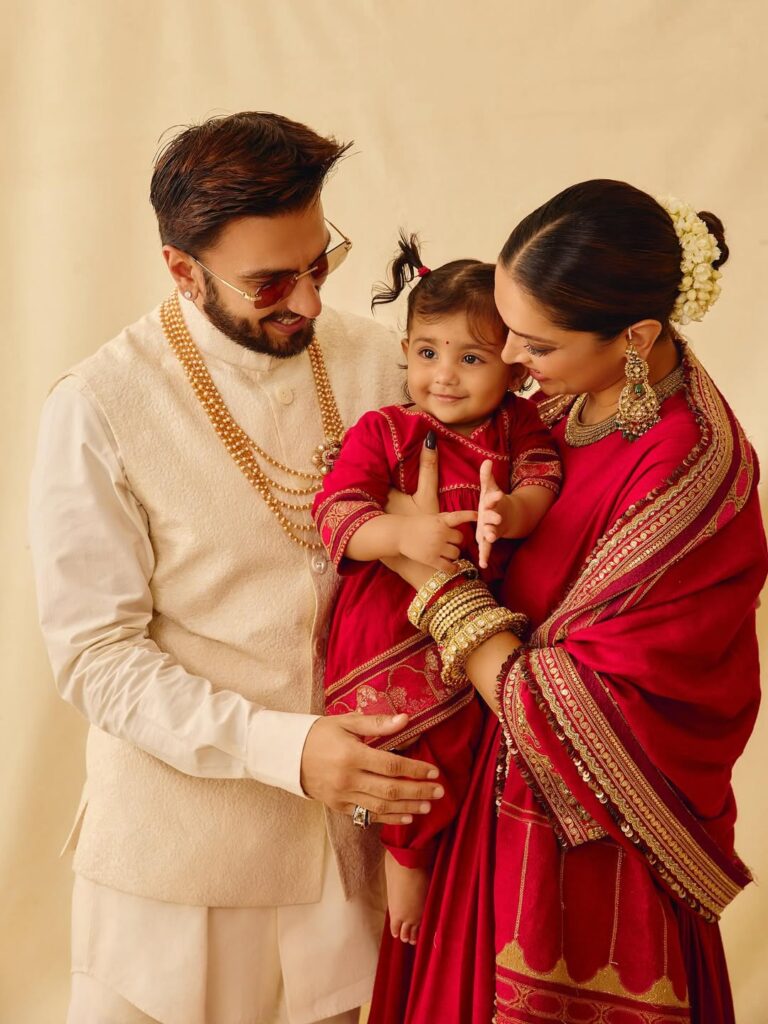
Children remain one of the most avoided discussions of all. Not simply whether to have them, but when, how many and what kind of parenting philosophies each person believes in. Conversations around fertility expectations, adoption, career pauses, schooling, discipline and caregiving responsibilities are often delayed because they feel too far away. In many marriages, resentment begins not with one dramatic disagreement, but with the realisation that each partner imagined a different future.
What are our non-negotiables?
Every person carries non-negotiables into a marriage. Think values, habits, beliefs, ambitions that define who they are. The mistake couples make is assuming love means everything is negotiable, that things will meld together once you are married. Sometimes they do. But when they don’t, the partner who was asked to compromise on something central to their identity ends up feeling invisible. Knowing each other’s dealbreakers, spoken honestly and received without judgement, is respect.
How important is religion in our everyday lives?
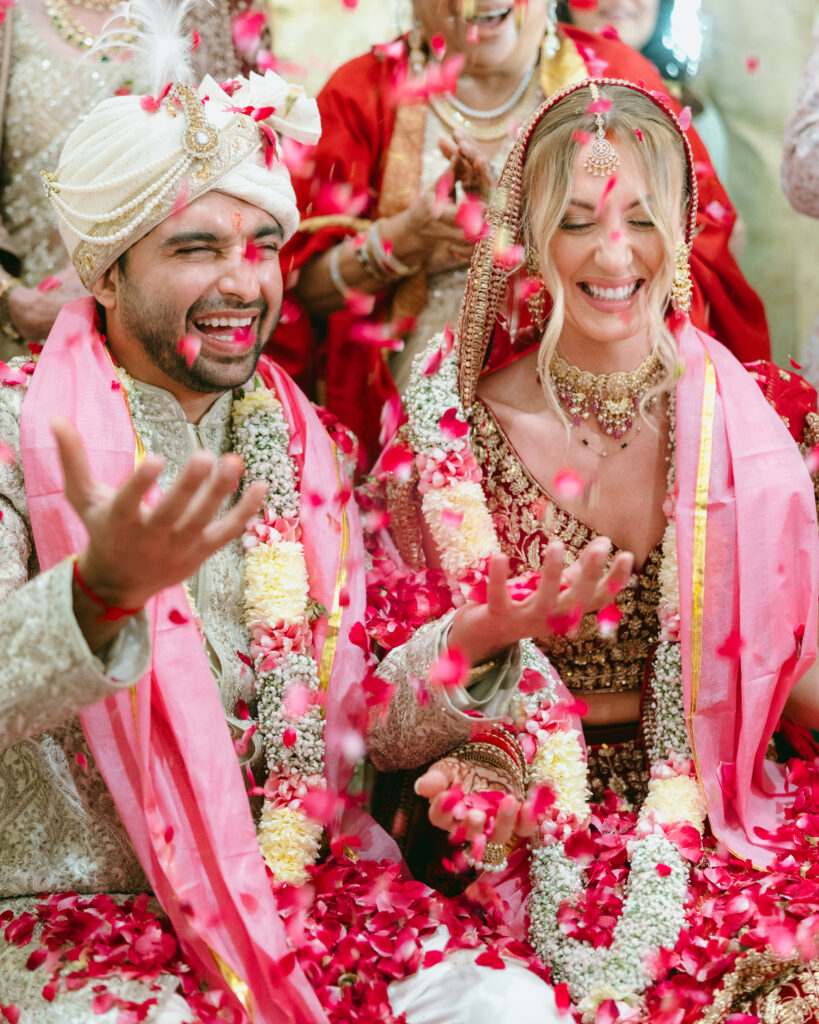
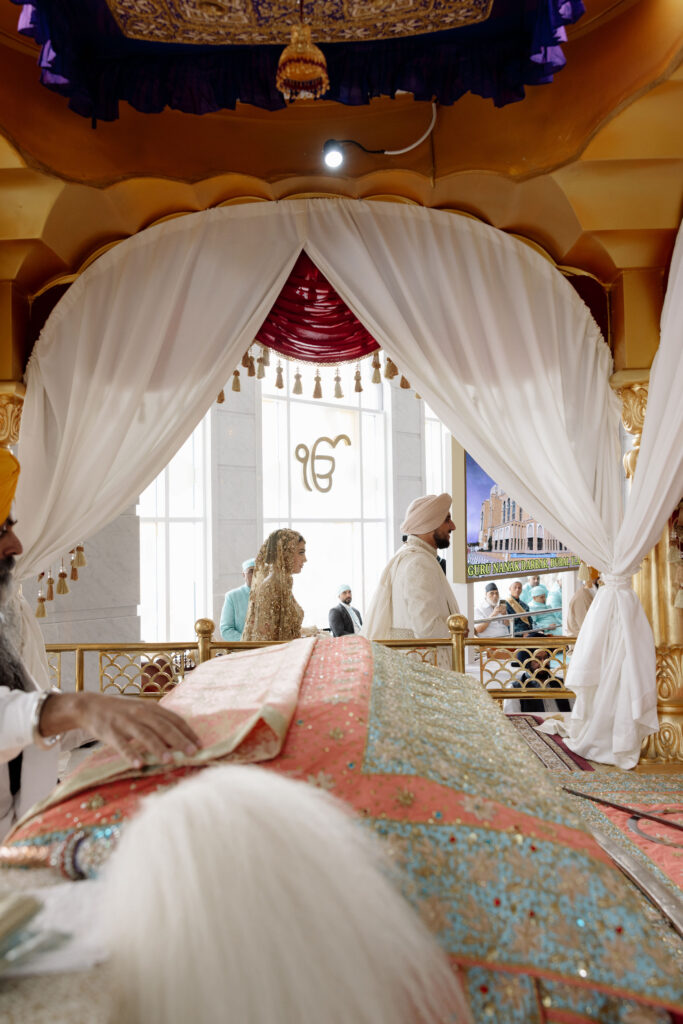
Religion is another topic couples often soften. During courtship, it is easier to focus on love, especially in interfaith relationships or culturally different families. But marriage eventually forces these questions into the open. Which traditions will be followed? Will religion influence children? For many people, religion is not simply faith, but identity. Problems arise not because couples come from different backgrounds, but because they assumed the other person viewed those differences the same way they did.
Do our political views reflect value differences?
Politics, like religion, is often dismissed. But political opinions often reveal deeper beliefs about gender roles, freedom, family structures and social responsibility. Today, differing political views influence more than dinner table debates. They shape the media people consume, the way they respond to social issues and how they raise children. Couples don’t need identical opinions on every issue, but understanding how your partner sees the world is essential.
How much independence will we expect after marriage?

One conversation couples rarely have honestly is about individuality after marriage. How much independence does each person expect? Are solo trips, close friendships with the opposite sex or separate social lives acceptable? Some people view marriage as complete partnership in everything, while others still value strong personal space. Boundaries around friendships, privacy and autonomy need clarity long before resentment begins.