



















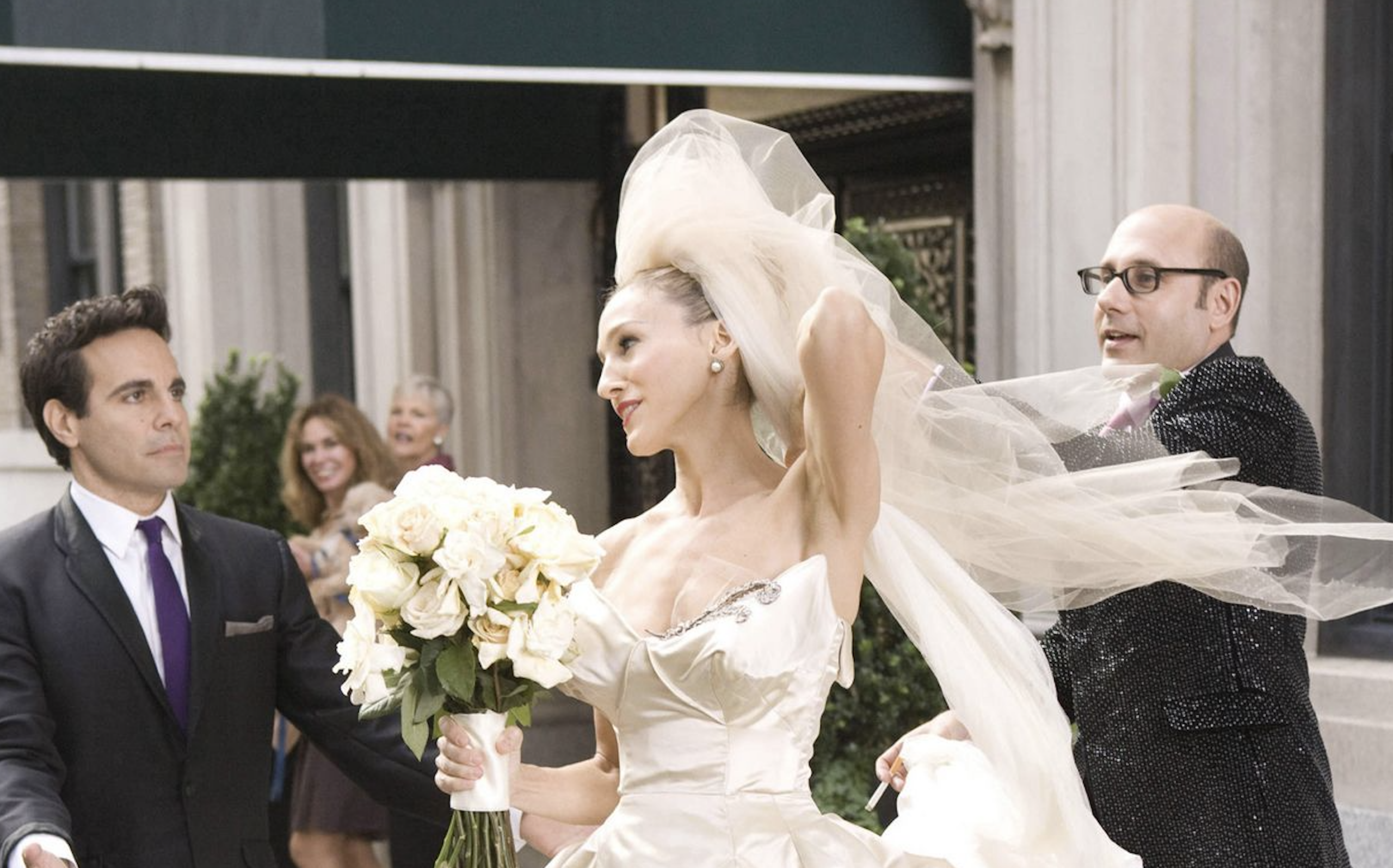
From grand declarations of love to spectacular bridal meltdowns, movies has taught us a thing or two about matters of the heart. After all, who needs a relationship therapist when you have a cinematic heroine, a perfectly timed monologue and a rather questionable decision or two? But beyond the designer lehengas and dramatic mandaps, our favourite wedding films have some surprisingly sound advice to offer. From navigating family politics to knowing your worth and recognising when love simply isn’t enough, these leading ladies have lessons worth taking notes on. Consider it your happily-ever-after handbook, minus the unsolicited auntie advice.
Queen
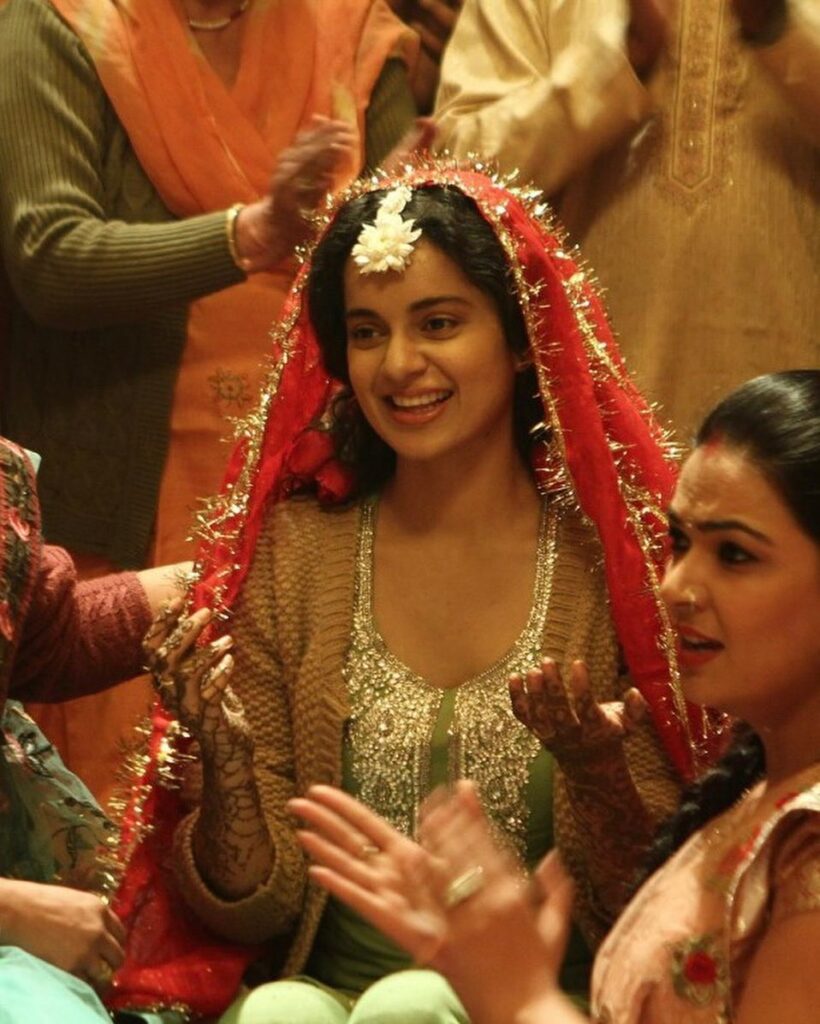
Iconic quote: Mera sense of humour bohot achcha hai. Aapko dheere dheere pata chal jayega!
The advice: Never underestimate the power of a good sense of humour, especially when life doesn’t go to plan.
In Queen, Rani Mehra (Kangana Ranaut) is a sheltered Delhi girl whose plans for a picture-perfect wedding come crashing down when her fiancé calls off their engagement. Rather than wallow in heartbreak, she decides to go on her planned honeymoon to Paris and Amsterdam alone. What follows is a journey of self-discovery, as Rani navigates unfamiliar cities, makes new friends and discovers a confidence she never knew she had. Her story is a reminder that a broken engagement isn’t a personal failure, happiness needn’t depend on a partner’s approval, and sometimes the most important relationship to nurture is the one you have with yourself.
2 States

Iconic dialogue: Mein unhe dhoka nahi sakti. Main chahti hu meri shaadi mein mere parents mujhse bhi zyada khush ho!
The advice: Make room for your parents’ happiness, without losing sight of your own.
Ananya (Alia Bhatt), a Tamil Brahmin, and Krish (Arjun Kapoor), a Punjabi, are determined to marry for love, but getting their families on board proves to be quite the task. When Ananya says, “Mein unhe dhoka nahi sakti. Main chahti hu meri shaadi mein mere parents mujhse bhi zyada khush ho!”, she captures the emotional balancing act of wanting to honour your parents while choosing your own partner. Rather than treating cultural differences as hurdles to overcome, Ananya tries to understand Krish’s family and win their trust. Her story is a reminder that marriage brings two families together, and that patience, empathy and a little give-and-take can make room for both tradition and individual choice.
Tanu Weds Manu
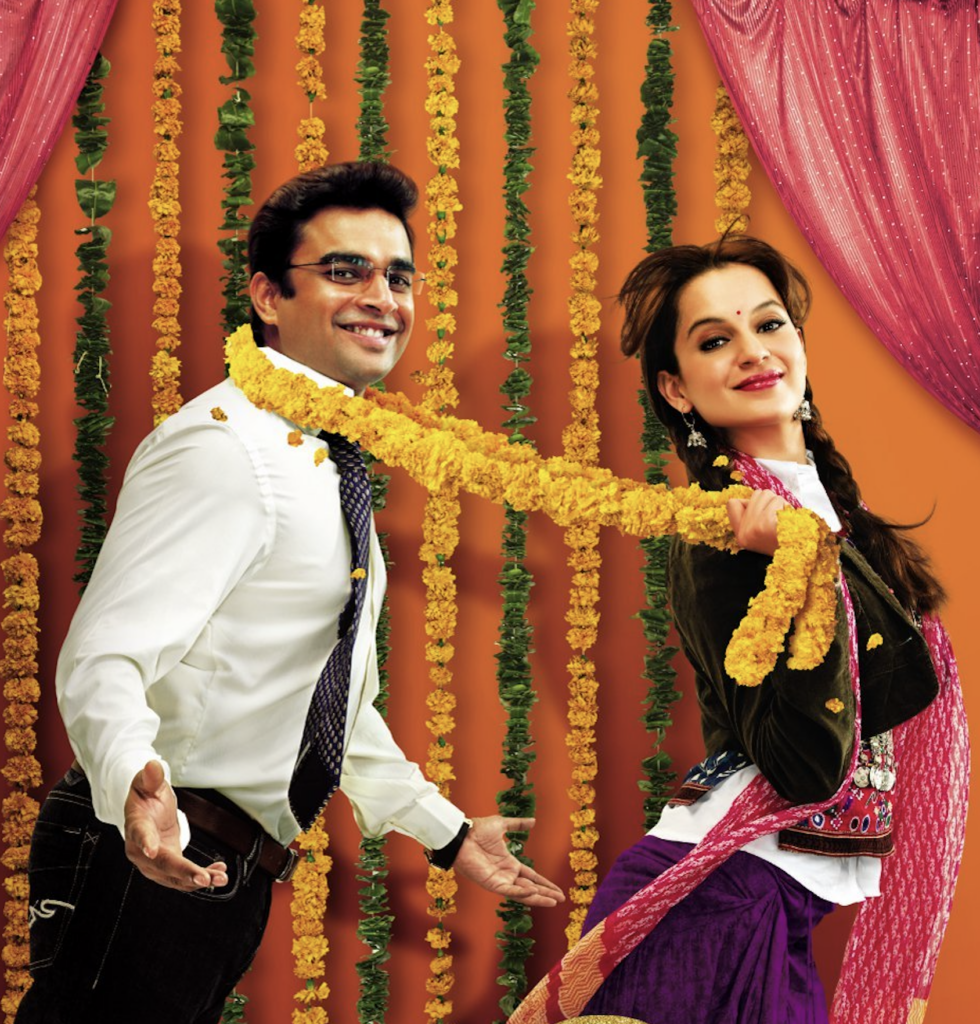
Iconic dialogue: Rishtey tab bante hai jab rishton ko sambhal ke rakha jaata hai.
The advice: Relationships don’t sustain themselves; they need to be nurtured.
Tanu (Kangana Ranaut) arrives at her arranged-marriage meeting with a spirit that no checklist of ideal-bride qualities could possibly contain. Moody, flirtatious, outspoken and unapologetic, she is hardly the conventional match Manu (R. Madhavan) expects. Their relationship is a bumpy ride of mismatched expectations, misunderstandings and second thoughts, proving that getting together is often the easy bit. The line, “Rishtey tab bante hai jab rishton ko sambhal ke rakha jaata hai,” captures a simple truth about love: a relationship needs more than initial chemistry to survive. Tanu and Manu’s story reminds us that lasting marriages require patience, effort and a willingness to understand each other, even when you’re not entirely sure what you signed up for.
Veere Di Wedding
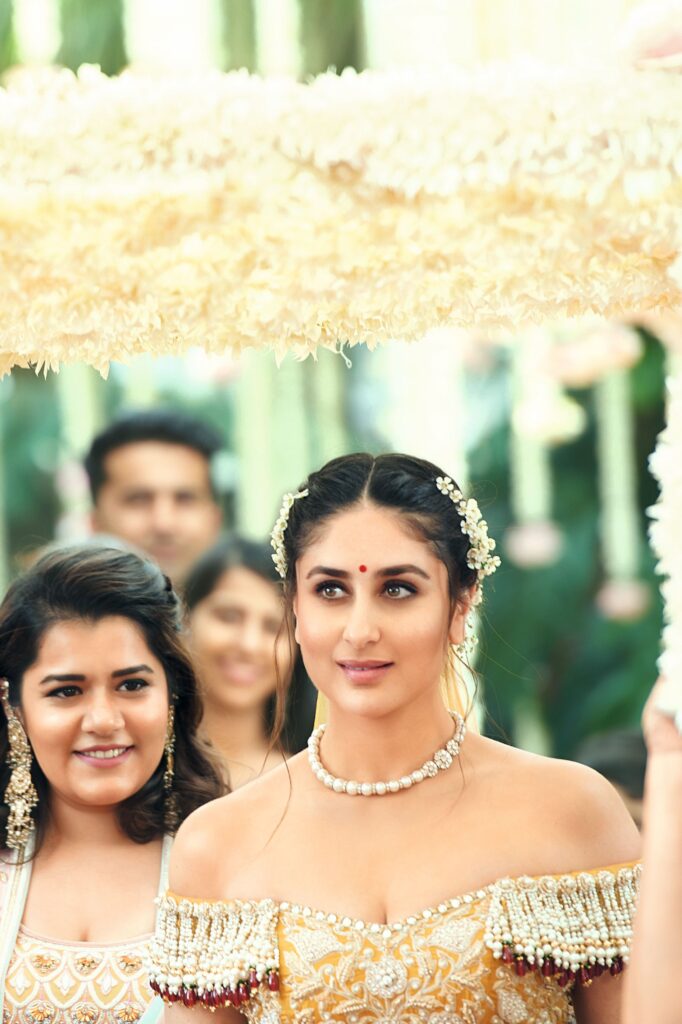
Iconic dialogue: Shaadi apne liye kar rahe hai ya in logon ke liye … haldi, mehndi, chivda, daal … what the f*ck is happening yaar
The advice: It’s your wedding, darling, not a committee meeting.
Kalindi (Kareena Kapoor Khan) is already grappling with her nerves about marrying Rishabh when the relentless demands of wedding planning and family expectations threaten to tip her over the edge. Her exasperated outburst, “Shaadi apne liye kar rahe hai ya in logon ke liye … haldi, mehndi, chivda, daal … what the f*ck is happening yaar,” captures the chaos of a celebration that seems to have acquired a life of its own. Beneath the comedy is a familiar bridal dilemma: when did a wedding become about pleasing everyone but the couple? Kalindi’s story is a reminder that traditions and expectations can be lovely, but they shouldn’t drown out your own wishes. After all, you’re getting married, not auditioning for the role of everyone’s favourite bride.
Yeh Jawaani Hai Deewani
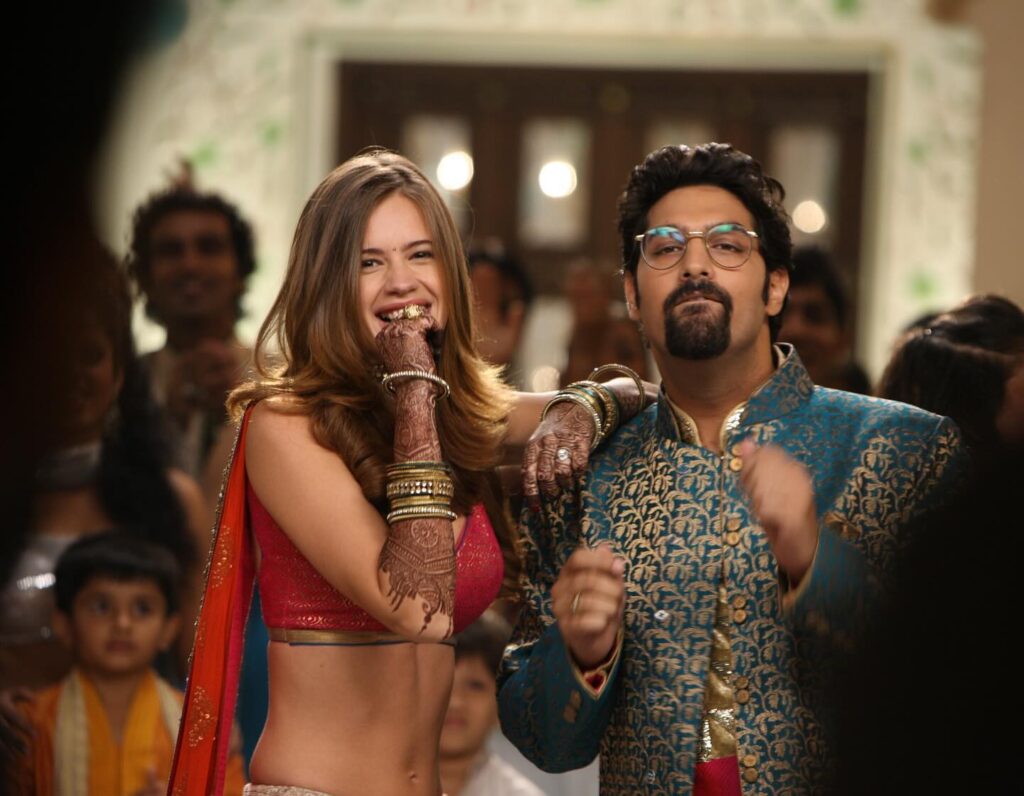
Iconic dialogue: Kuch logon ke saath rehne se hi sab theek ho jata hai.
The advice: Choose the person who makes life feel a little easier just by being in it.
Aditi (Kalki Koechlin) spends years harbouring feelings for her best friend Avi, only to realise that loving someone doesn’t guarantee they’ll love you back. As life moves on, she finds a different kind of love with Taran, a man who appreciates her and offers the affection she deserves. The dialogue, “Kuch logon ke saath rehne se hi sab theek ho jata hai,” captures the quiet comfort of being with someone who makes you feel at home. Aditi’s journey is a reminder that love doesn’t always have to be dramatic or hard-won to be meaningful. Sometimes, the right person is simply the one whose presence makes everything feel a little more manageable.
My Big Fat Greek Wedding
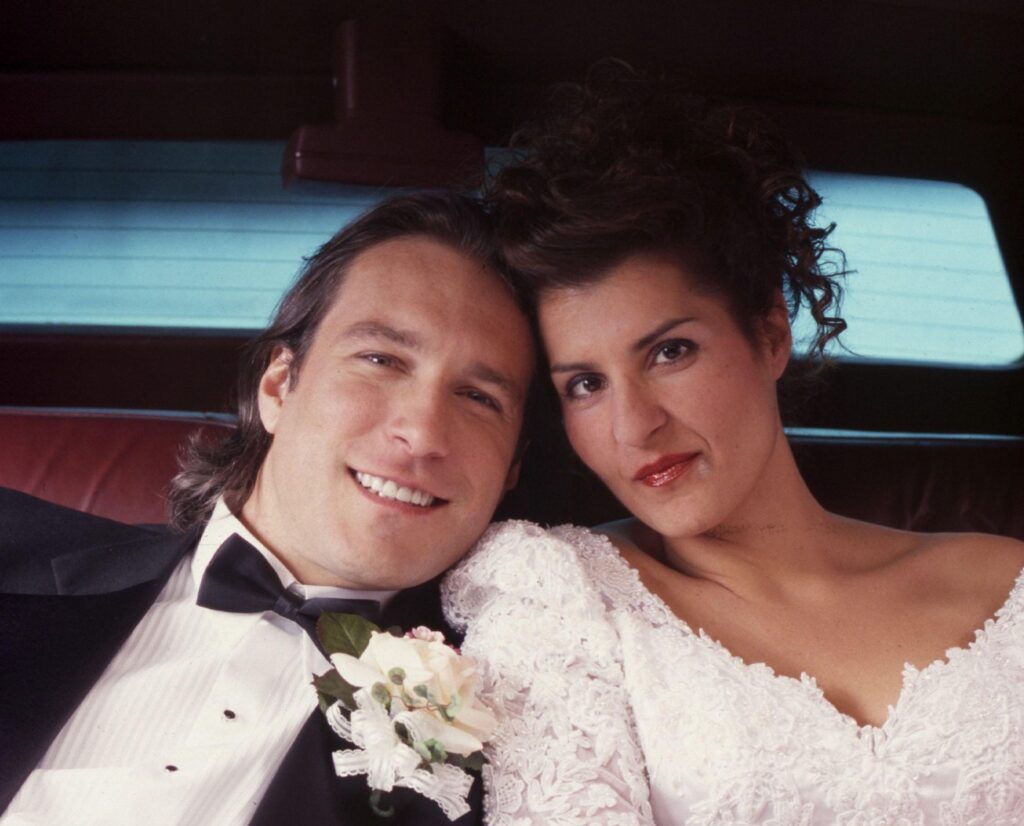
Iconic dialogue: My family is big and loud but they’re my family. We fight and we laugh and yes, we roast lamb on a spit in the front yard. And wherever I go, whatever I do, they will always be there.
The advice: Getting married doesn’t mean leaving your family behind.
Toula Portokalos (Nia Vardalos) falls in love with Ian Miller (John Corbett), a non-Greek schoolteacher whose background is worlds away from her close-knit Greek family. As their relationship moves towards marriage, cultural differences and family traditions become part of the journey, often with plenty of noise and unsolicited opinions thrown in. Toula’s words, “My family is big and loud but they’re my family. We fight and we laugh and yes, we roast lamb on a spit in the front yard. And wherever I go, whatever I do they will always be there,” capture the enduring place family holds in her life. Her story is a reminder that marriage doesn’t mean outgrowing your family or loving them any less. You can build a life with your partner while still making room for the people, traditions and wonderfully chaotic gatherings that made you who you are.
Sex And The City
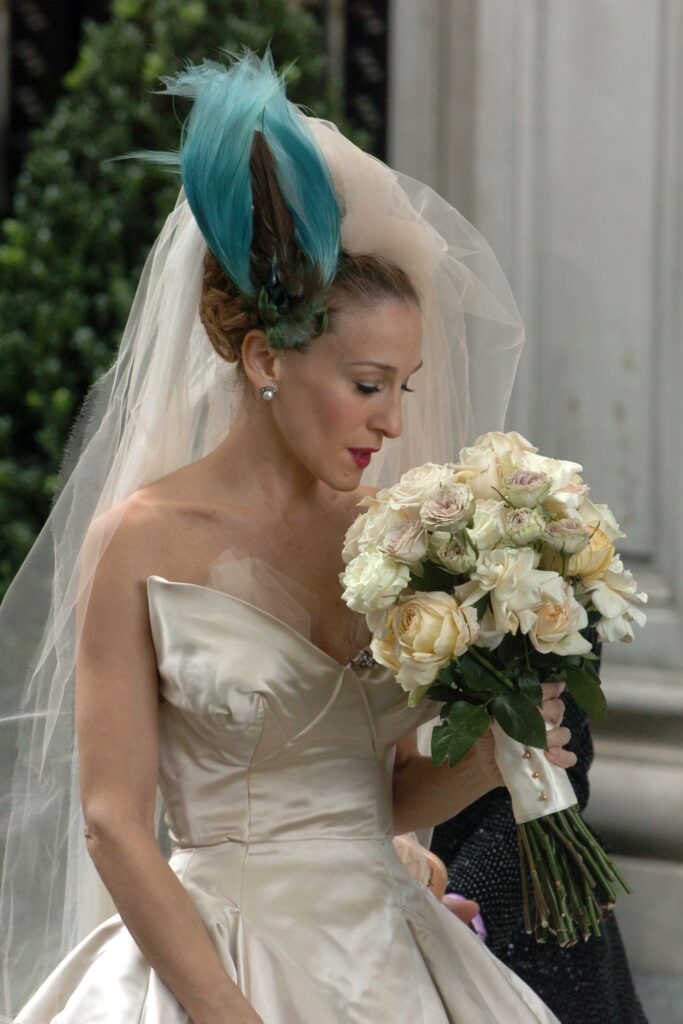
Iconic dialogue: It wasn’t logic, it was love.
The advice: Love may defy logic, but don’t let it blind you to what you deserve.
Carrie Bradshaw (Sarah Jessica Parker) has spent years chronicling the complications of love and dating, only to find herself at the centre of a romantic disaster when her wedding to Mr Big takes an unexpected turn. What should have been a lavish New York celebration ends in heartbreak when Big fails to show up, leaving Carrie to question the future she had imagined. The line, “It wasn’t logic, it was love,” captures the maddening reality of following your heart, even when your head might have reservations. Carrie’s story is a reminder that love can be gloriously irrational, but marriage needs more than chemistry, picture-perfect venue, designer shoes and a dream venue. It needs trust, consistency and someone who shows up when it matters most.
Bride Wars

Iconic dialogue: Sometimes it’s about me, okay? Not all the time but every once in a while it’s my time. Like today. Now if you’re not okay with that then feel free to go. But if you stay, you have to do your job. And that means smiling and talking about my bridal beauty and most importantly not making it about you.
The advice: It’s your wedding day. You are allowed to be the main character.
Best friends Liv Lerner (Kate Hudson) and Emma Allan (Anne Hathaway) have dreamed of their perfect weddings since childhood, only for a booking mix-up to land both ceremonies on the same day at the same venue. As their bridal rivalry spirals out of control, Liv delivers a rather useful reminder for anyone with a spotlight-loving friend or relative: “Sometimes it’s about me, okay? Not all the time but every once in a while it’s my time.” And she’s got a point. Weddings have a way of bringing out the attention-seekers, from relatives with unsolicited opinions to friends who can’t resist turning every conversation back to themselves. Liv’s words are a reminder that it’s perfectly acceptable to set boundaries and ask your loved ones to let you have your moment. You can share the love without sharing the spotlight, especially when you’re the one getting married.
Mamma Mia!
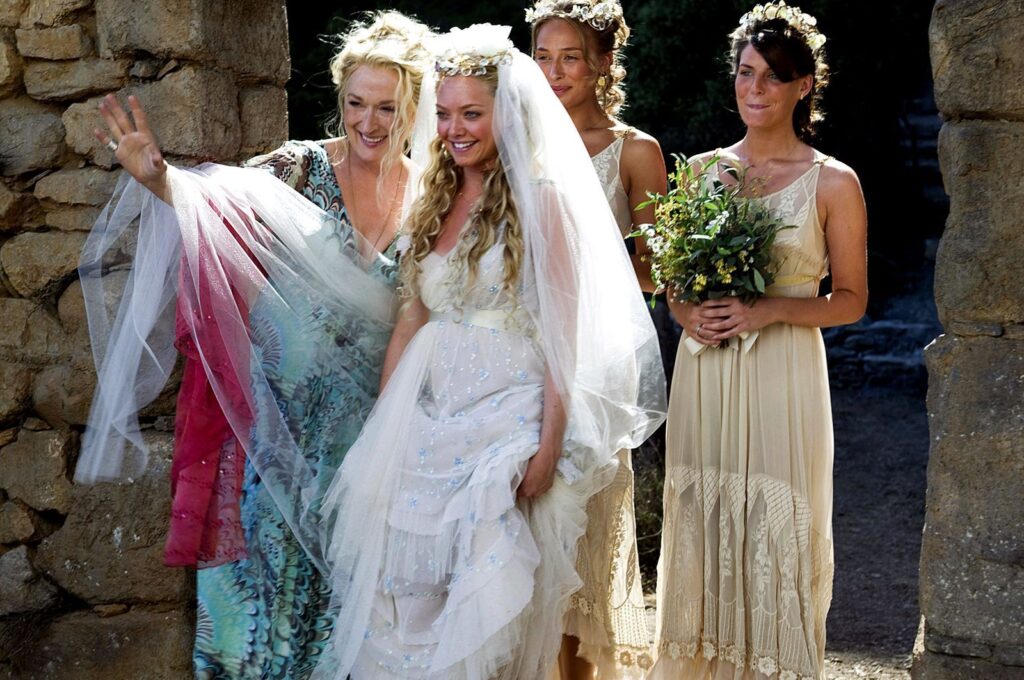
Iconic dialogue: It’s about knowing who I am and… and I wanted to get married knowing who I am!
The advice: You don’t need to have marriage figured out before you have yourself figured out.
Sophie Sheridan (Amanda Seyfried) is preparing to marry Sky on a sun-soaked Greek island when she secretly invites three men from her mother’s past, hoping to discover which one is her father. As the wedding approaches, the resulting revelations force her to confront questions about her identity and the future she wants. Her admission, “It’s about knowing who I am and… and I wanted to get married knowing who I am!”, captures a feeling many brides might recognise beneath the excitement of dress fittings and seating plans: the desire to feel ready for the life-changing commitment ahead. Rather than go through with the wedding simply because everything is arranged, Sophie and Sky decide to postpone it and travel together. Her story is a reminder that you don’t have to meet someone else’s timeline for happily-ever-after. It’s perfectly fine to take a breath, find yourself and let marriage happen when it feels right for you.
Monster-in-Law
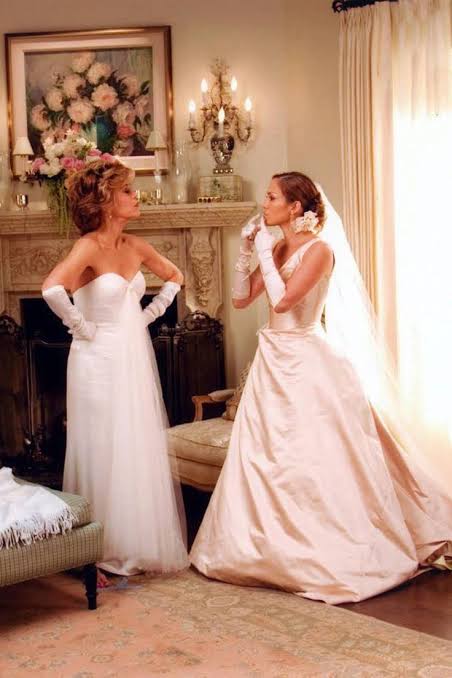
Iconic dialogue: Oh, ‘cause I just don’t know.
The advice: Set boundaries with family before they become a marital battleground.
Charlie Cantilini (Jennifer Lopez) thinks she has found her happily-ever-after when she falls for Kevin (Michael Vartan), but there’s one rather formidable obstacle standing between them: his mother, Viola (Jane Fonda). A former television presenter who isn’t ready to share her son, Viola goes to extraordinary lengths to sabotage the engagement, turning wedding preparations into a battle of wills. Beneath the comedy and outrageous antics lies a lesson worth taking into any marriage: you cannot control your in-laws, but you can decide what behaviour you are willing to accept. A strong partnership requires boundaries, honest conversations and a partner who is prepared to stand by your side when family dynamics get complicated.