


















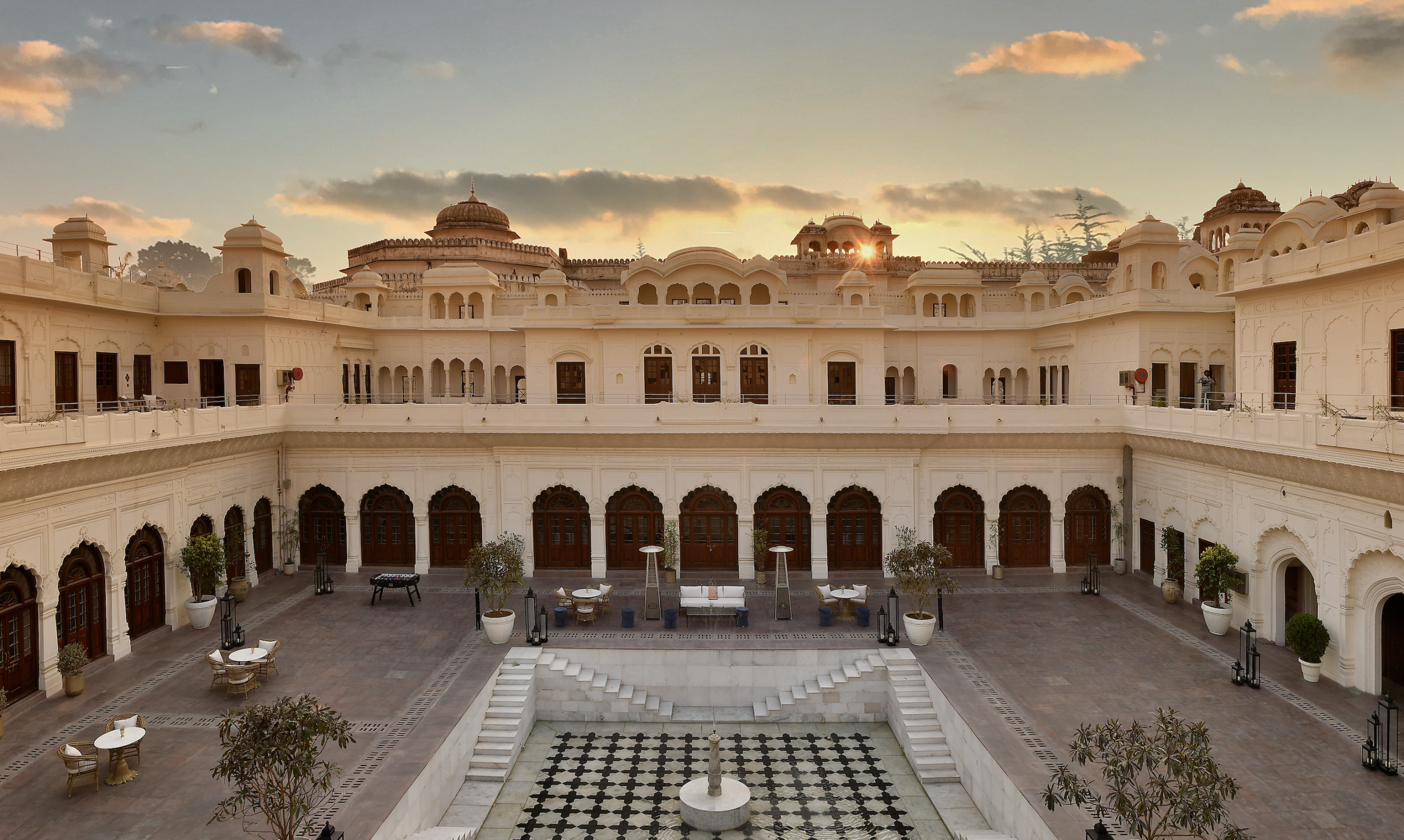
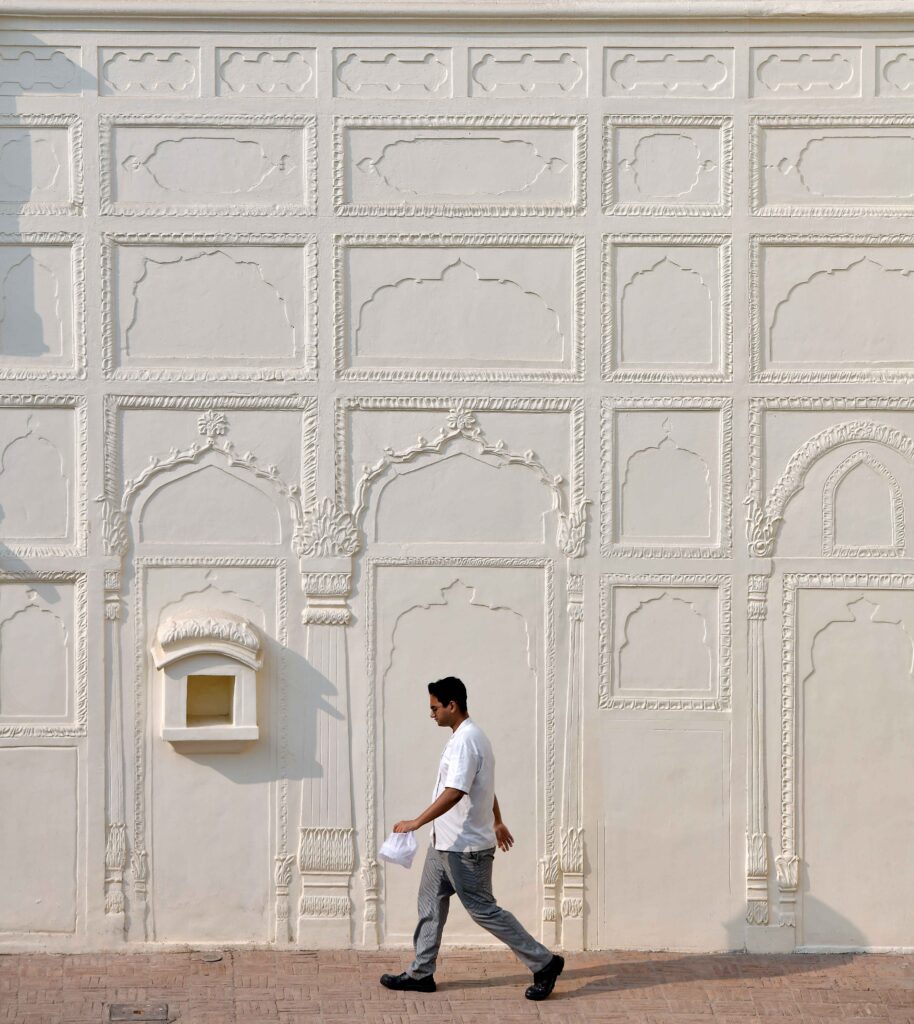
Patiala reveals itself in layers. We pass through the bustling lanes of Adalat Bazaar, past generational spice stalls, sweet shops and jewellery stores spilling onto the street, before the road opens into the towering ramparts of Qila Mubarak. This is the fort of the Patiala royal family, and within its walled complex lies their erstwhile queens’ very own palace. The massive gate leading to it is guarded by a pair of Sikh guards, who stand sentinel at the salmon pink façade of the entrance. After a warm “Sat Śri Akāl”, they swing it open to reveal a massive marbled courtyard with a black-and-white chequered fountain as the focal point. This symmetry is framed by soaring arcades, their flawless facades crafted using the traditional technique of araish plasterwork. It wasn’t like arriving at a hotel but like stepping into another century.
This is Ran Baas, The Palace or “the queens’ residence”, and I am here to discover why it has become the address of choice for couples seeking a honeymoon steeped in royal life.
Getting There
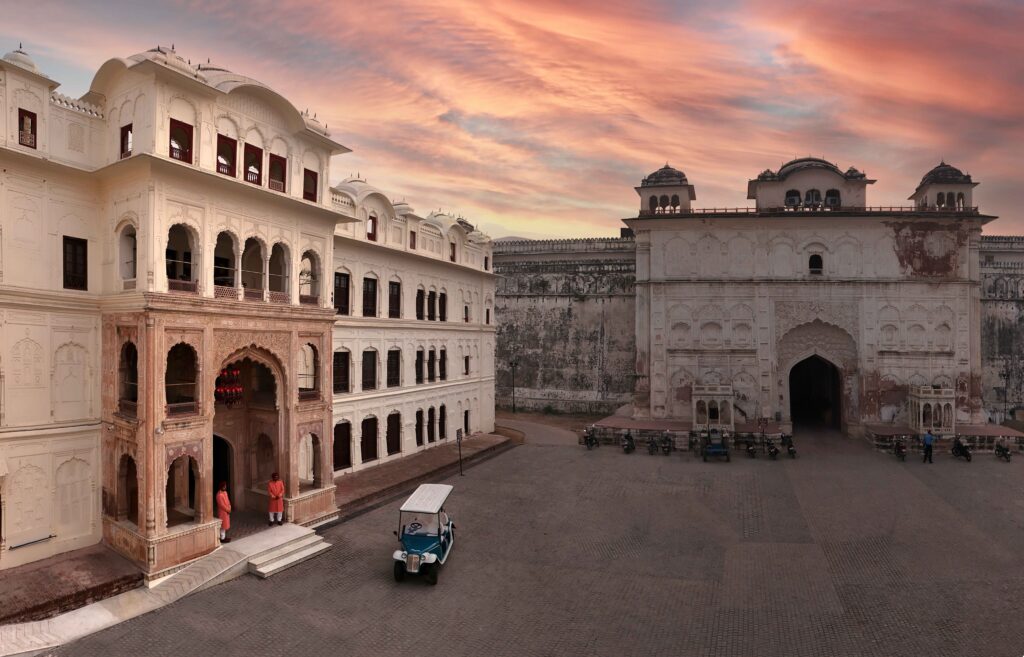
The easiest way to reach Ran Baas, The Palace is by flying into Chandigarh, which is well connected to India’s major metro cities. From the airport, Patiala is a comfortable 90-minute drive through Punjab’s countryside. Those travelling from the UK can connect via New Delhi before continuing onward. Nestled within the historic Qila Mubarak at the heart of Patiala’s old town, the palace seems hidden despite being moments away from the city’s vibrant bazaars, making the journey part of the experience.
Where Queens Once Lived
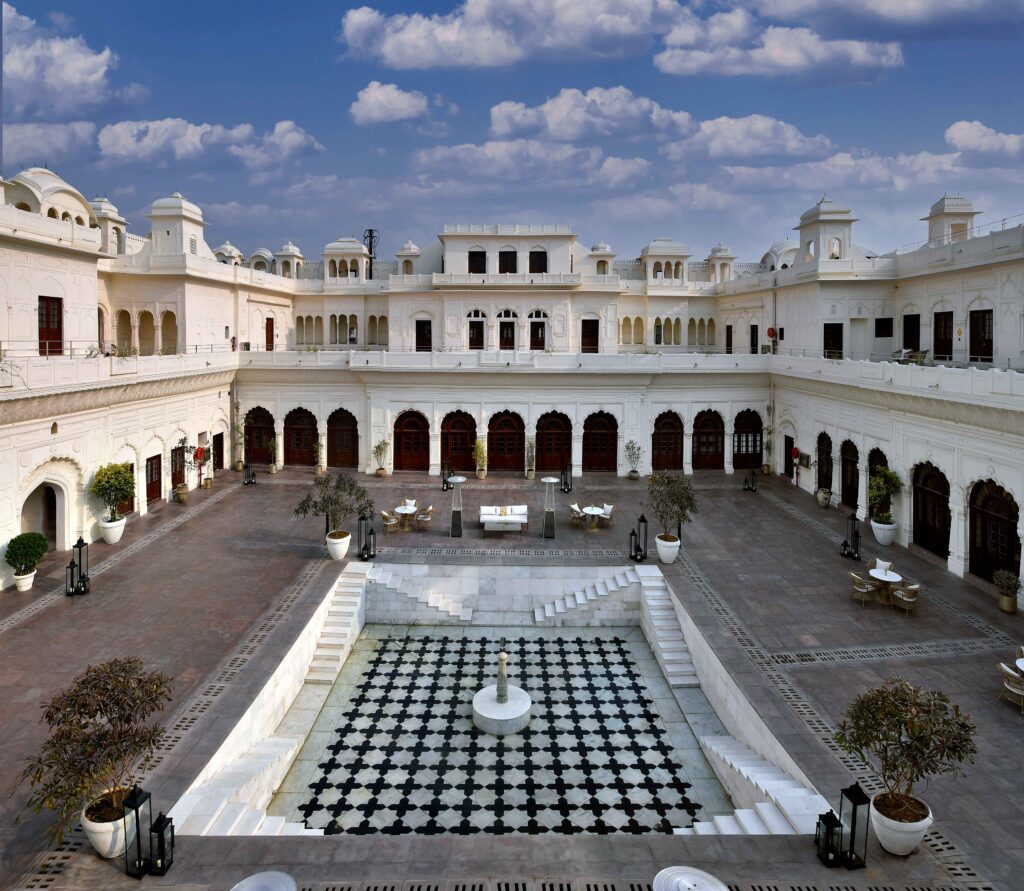
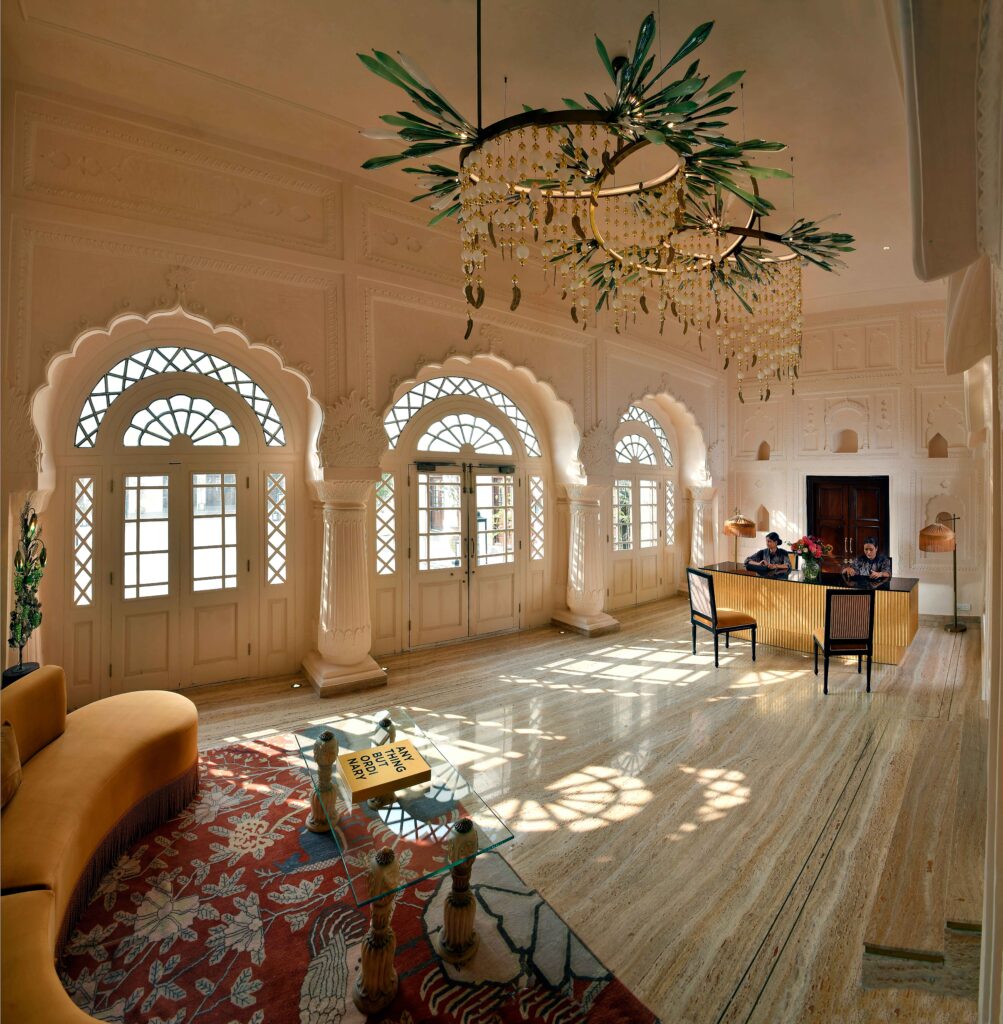
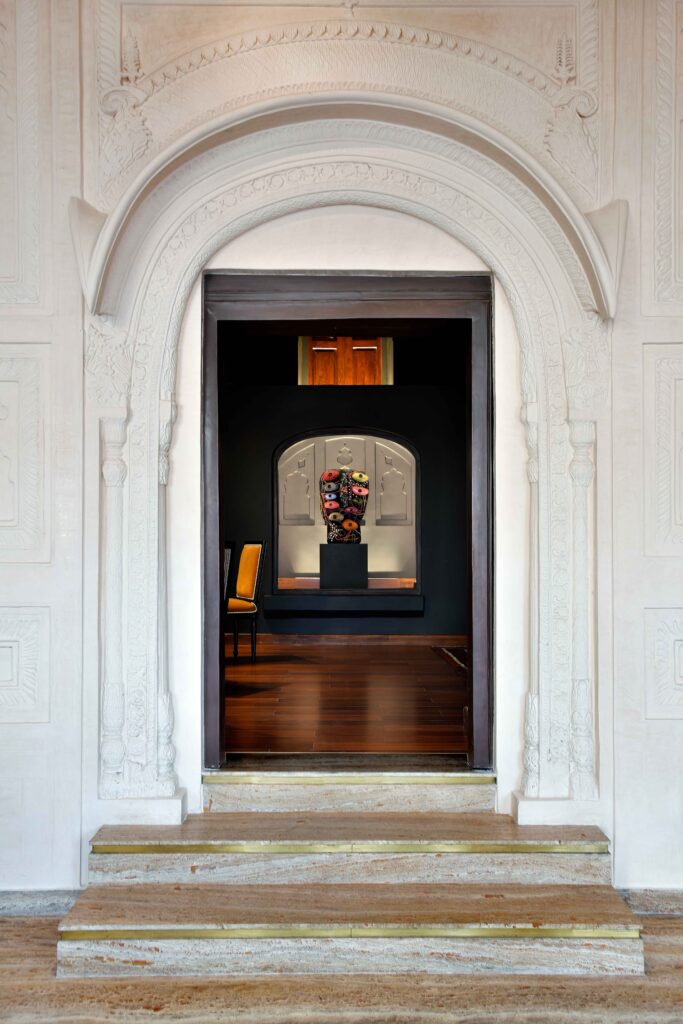
Where some palace hotels borrow the language of royalty, Ran Baas, The Palace simply is royal. This newly restored palace was once reserved for the queens and women of the Patiala royal household. Today, its intricately carved arches, courtyards and exquisitely decorated chambers are transformed into one of India’s most compelling palace hotels. Its decade-long restoration, led by celebrated conservation architect Abha Narain Lambah, is a masterclass in adaptive reuse that preserves centuries of craftsmanship and introduces contemporary comforts. Every arch, jharokha and carved column has been painstakingly revived, allowing Mughal, Rajput, Sikh and Colonial influences to coexist beautifully. Right from the reception, I am introduced to the property’s contrasts. The first salon is bathed in warm sunrise hues beneath a spectacular bespoke Klove Studio chandelier, evoking the optimism of dawn and peacocks. Passing through into the second reception room is like stepping into twilight, where ebony panelling, inky navy accents and moodier lighting create an atmosphere inspired by dusk. It is an elegant metaphor for the palace, where every space balances heritage and modernity, day and night.
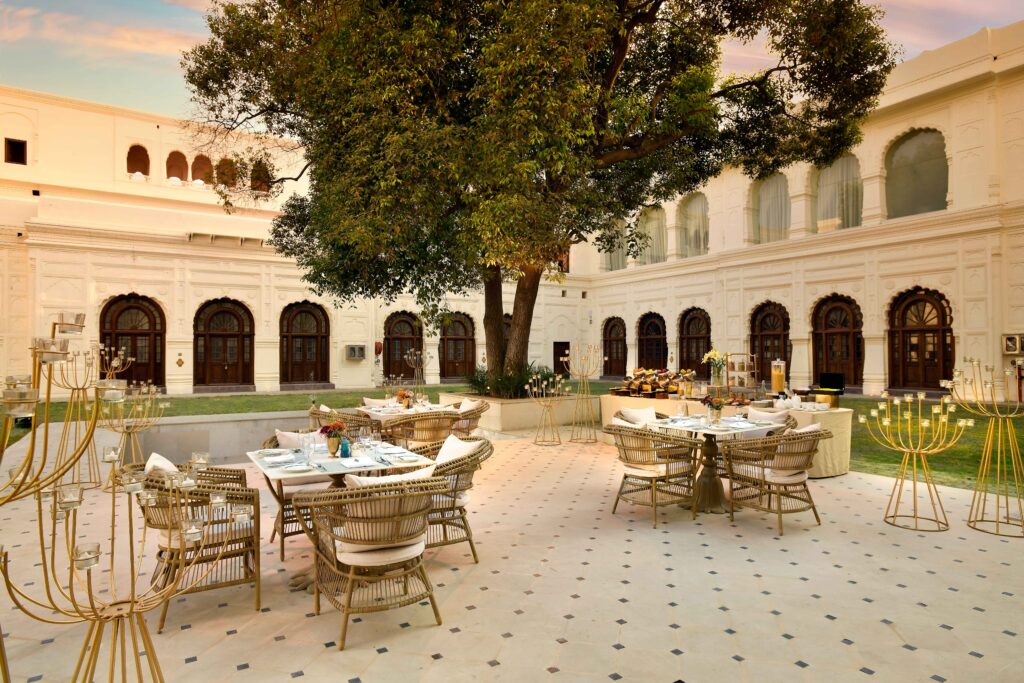
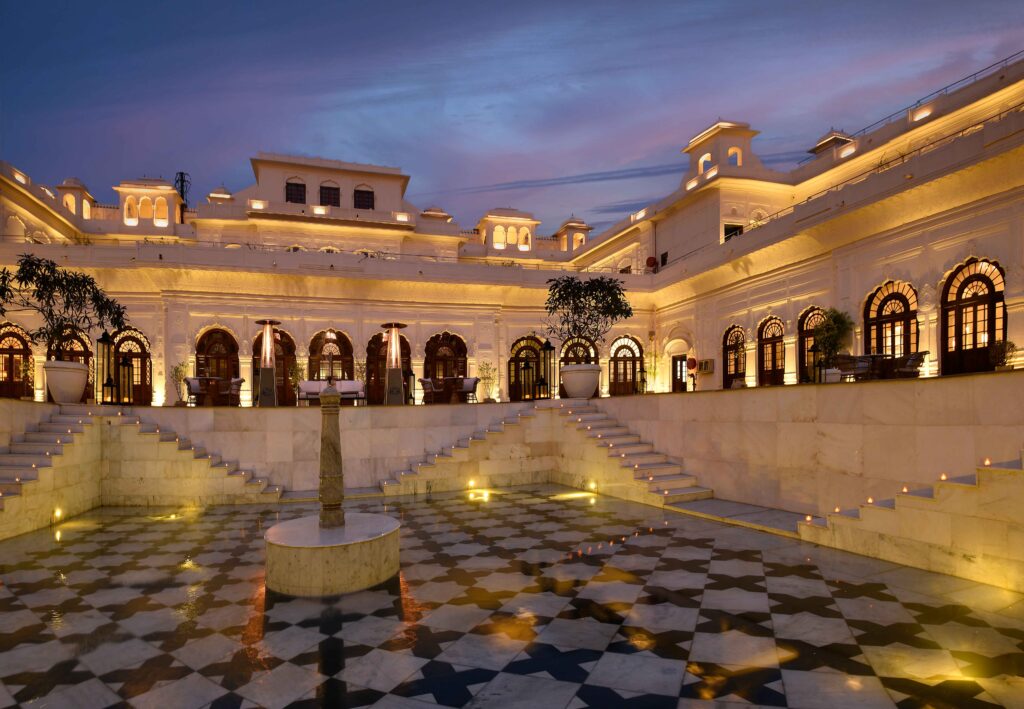
Unlike India’s better-known palace circuit, Ran Baas is a hidden gem. It offers the romance of royal India without the predictability of destinations that have become wedding staples, making it a compelling choice for honeymooners looking beyond the obvious.
The Stately Suites
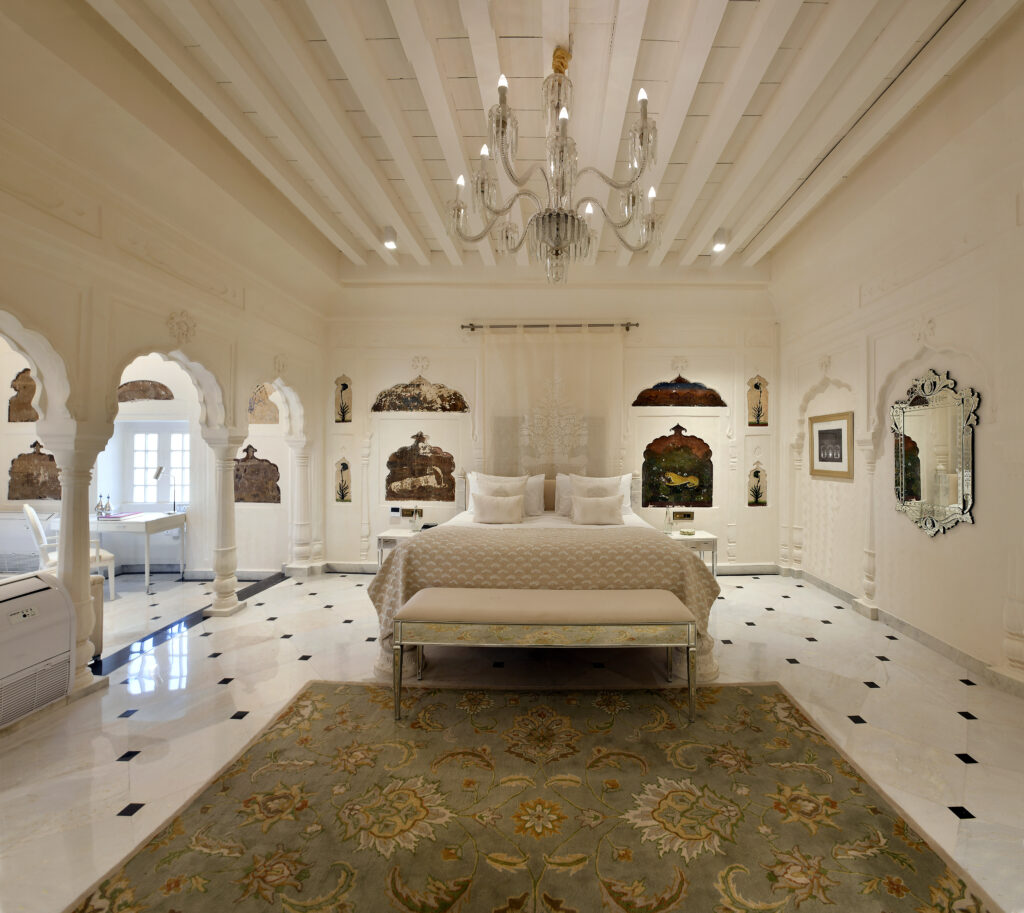
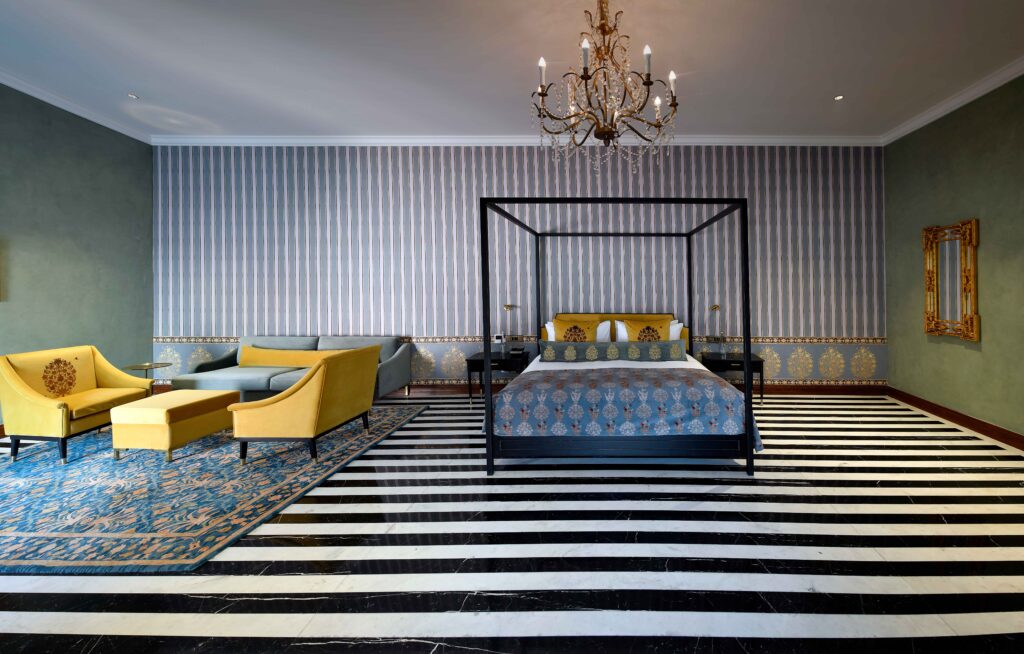
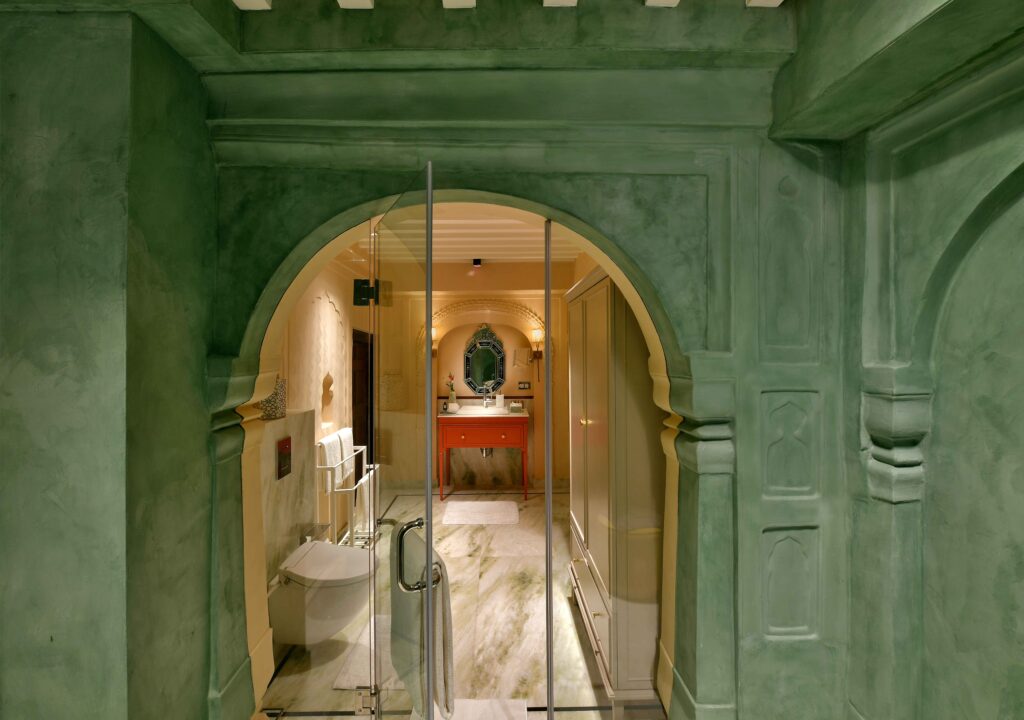
The palace is home to just 35 suites, so every guest enjoys the feeling of occupying a private royal residence rather than a sprawling hotel. There are no standard rooms here. Every accommodation is housed within what were once the personal quarters of the queens. Each suite takes inspiration from a precious gemstone, paying tribute to the Patiala royal family’s legendary jewellery collection. Pearl Suites celebrate the Mughal fascination with shades of white, layering ivory marble and soft neutrals into calming spaces. Topaz Suites channel the state’s mustard fields, fertile landscapes and richly woven Jamawar textiles through warm ochres and earthy greens.
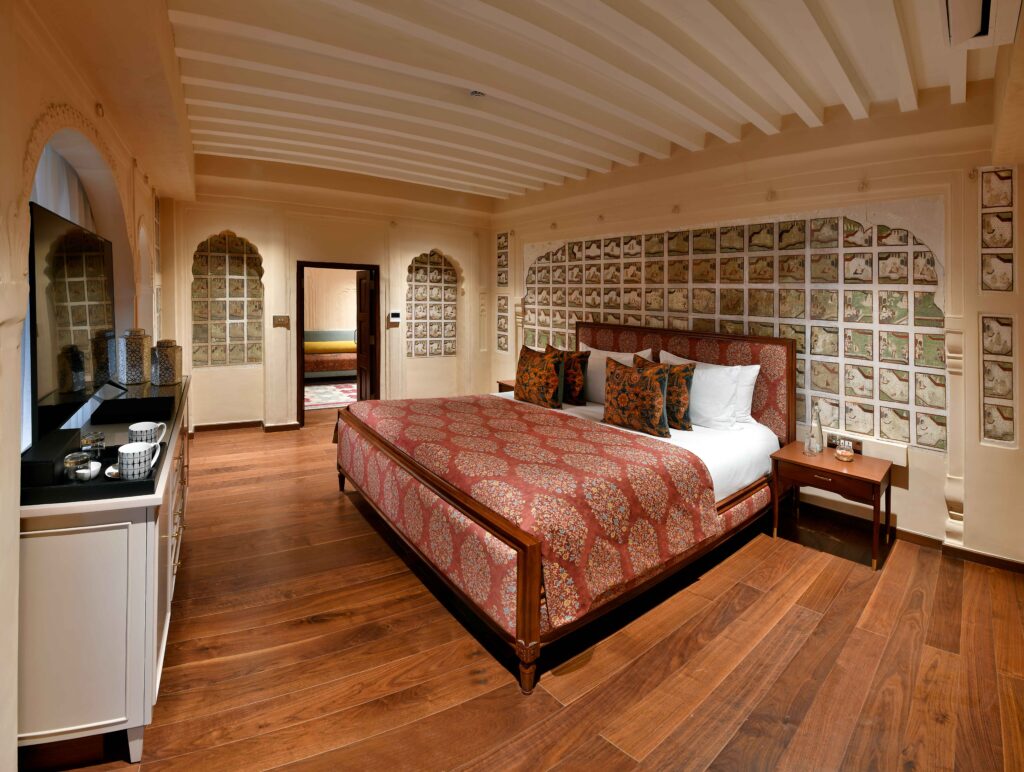
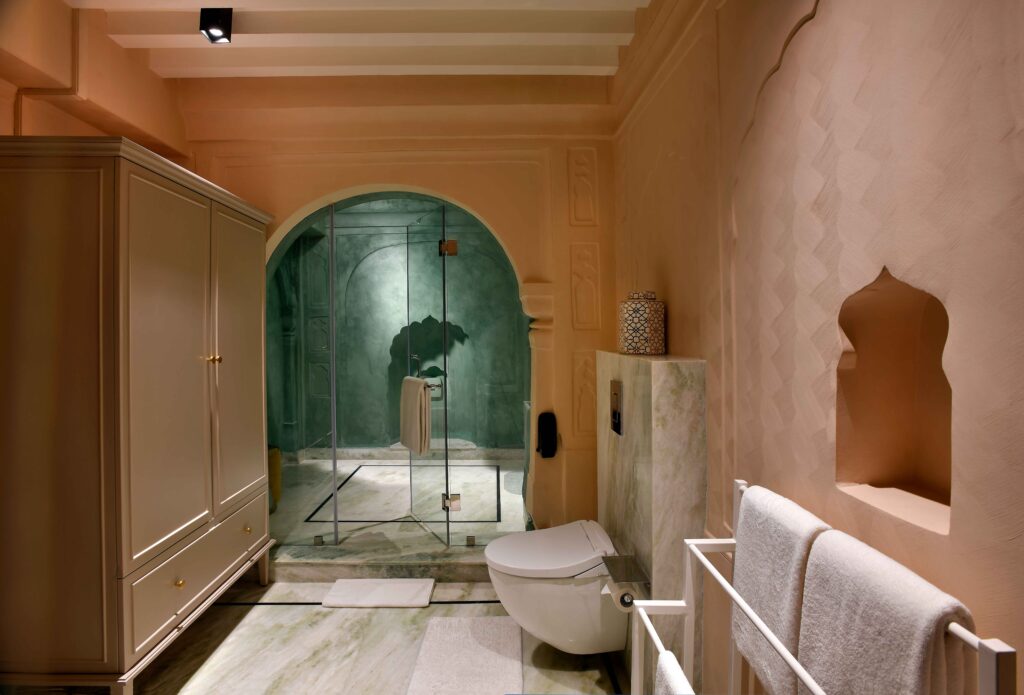
Coral Suites introduce plush velvets and bespoke wallpapers recreated from original palace artwork. Original arches, scalloped niches and soaring ceilings have been meticulously preserved, whereas indulgent bedding, thoughtful lighting and expansive marble bathrooms bring every suite comfortably into the present.
Our Stay: The Sapphire Suite
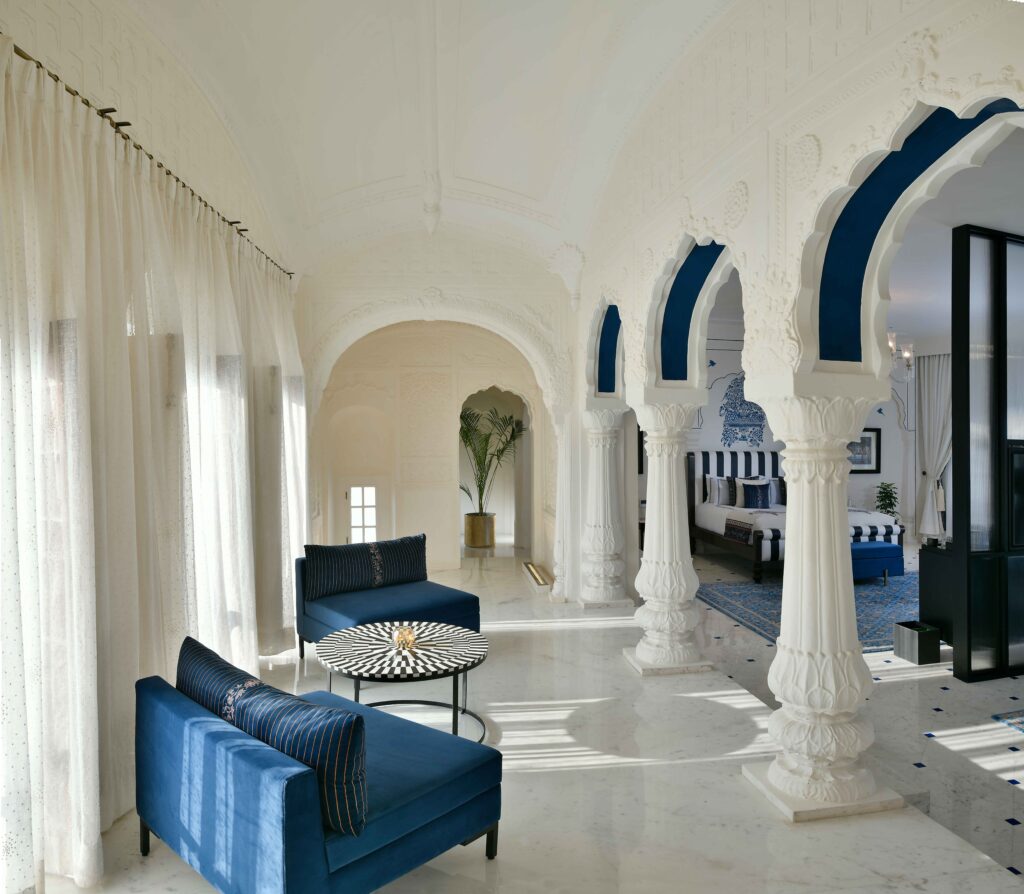
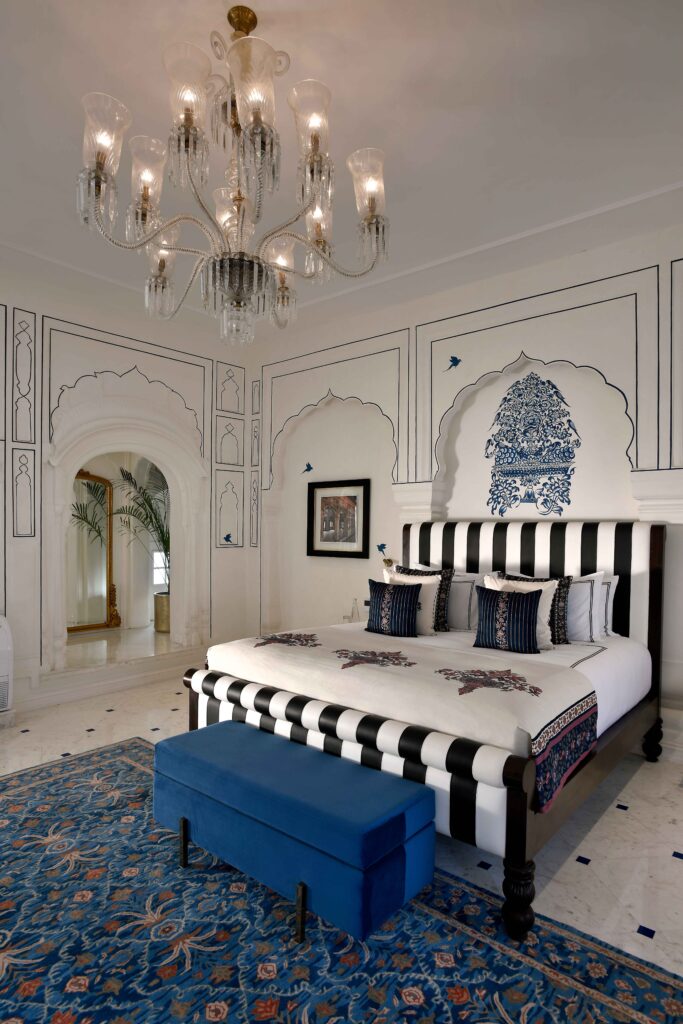
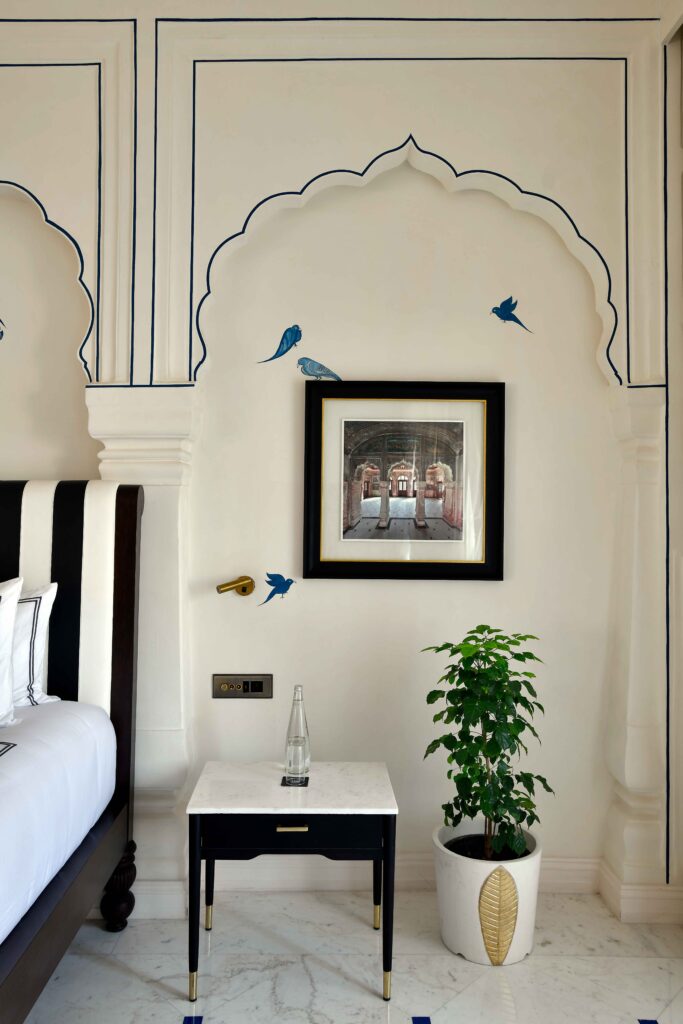
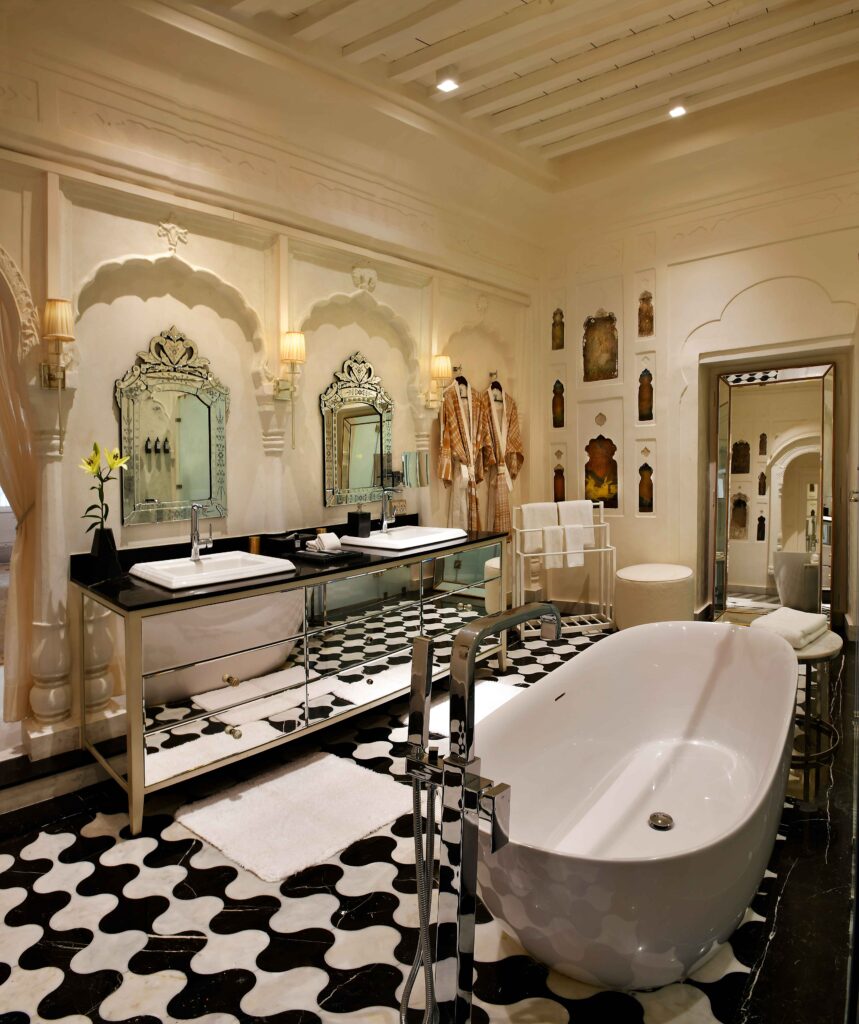
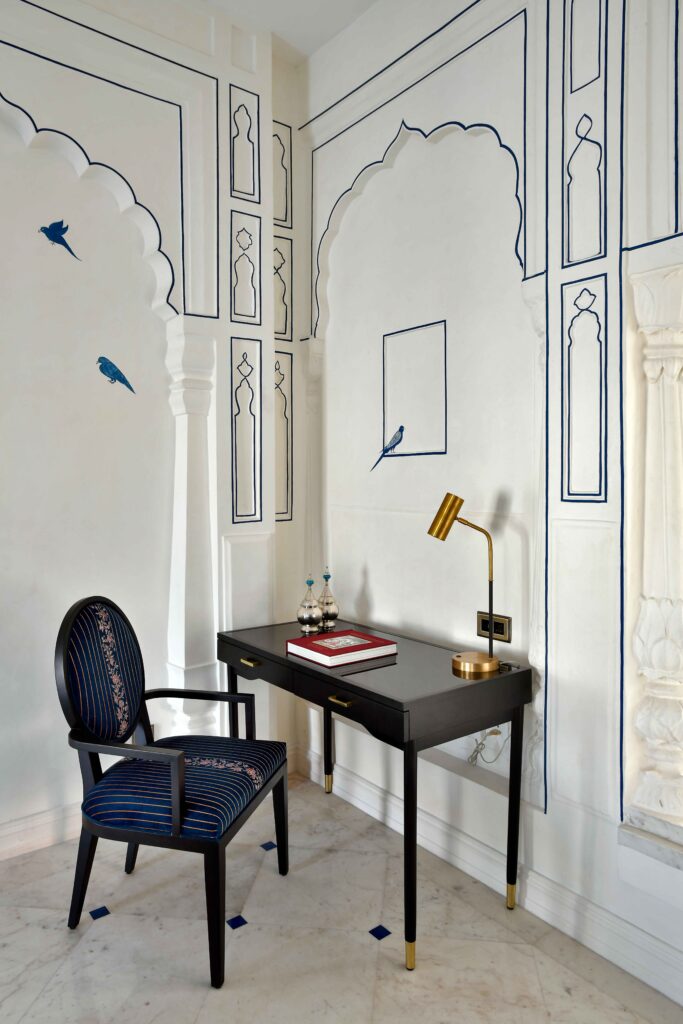
Our home for two nights was the Sapphire Suite, and it became one of those hotel rooms my sister Kashish Ramchandani and I found excuses not to leave. Everything revolved around serene shades of blue. Delicate sapphire-hued murals climbed across hand-painted walls and richly textured drapes and soft furnishings echoed the same stately scheme. Intricately carved arches cordon off the colossal living spaces with the bedroom. My bathroom was equally spectacular. At its centre stood a sculptural freestanding bathtub. The twin marble basins was perfect to share with my sister, while the monochromatic flooring referenced the fountain courtyard outside. A separate walk-in rain shower completed the space.
A Royal Feast
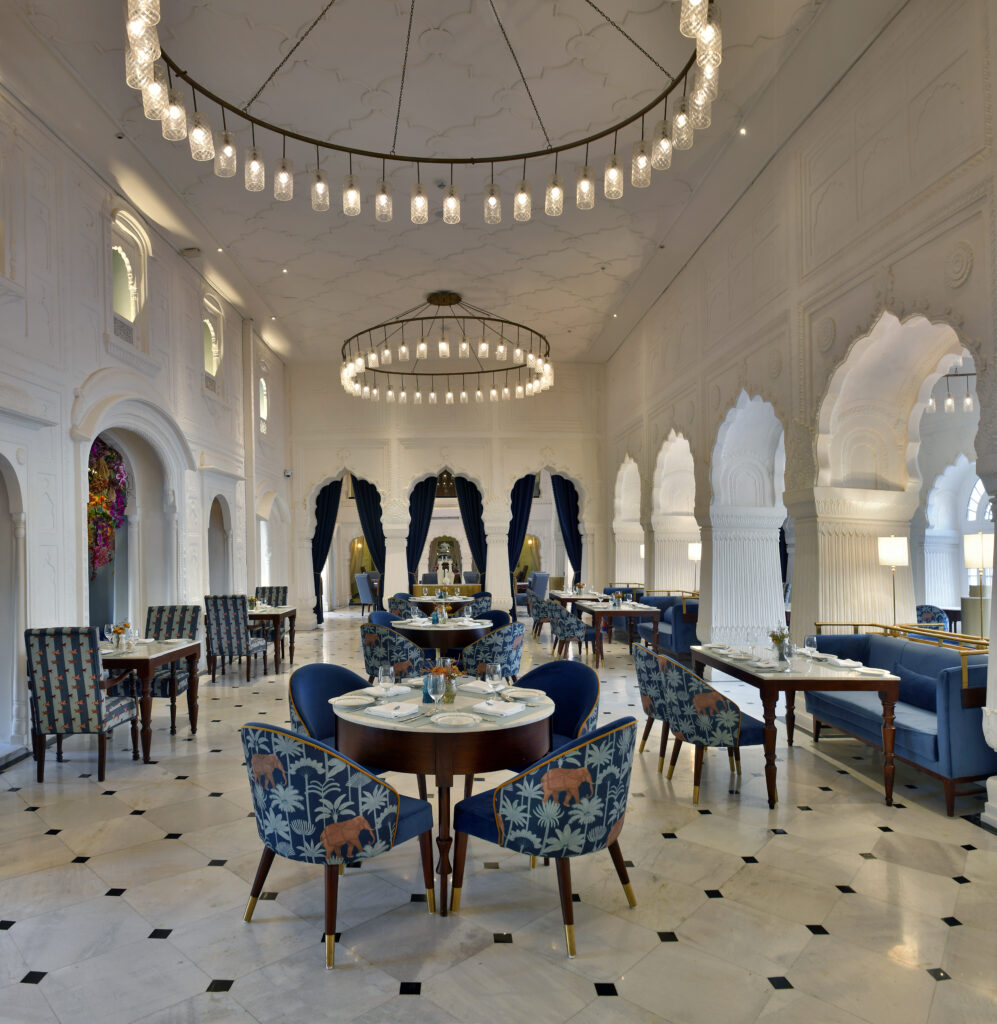
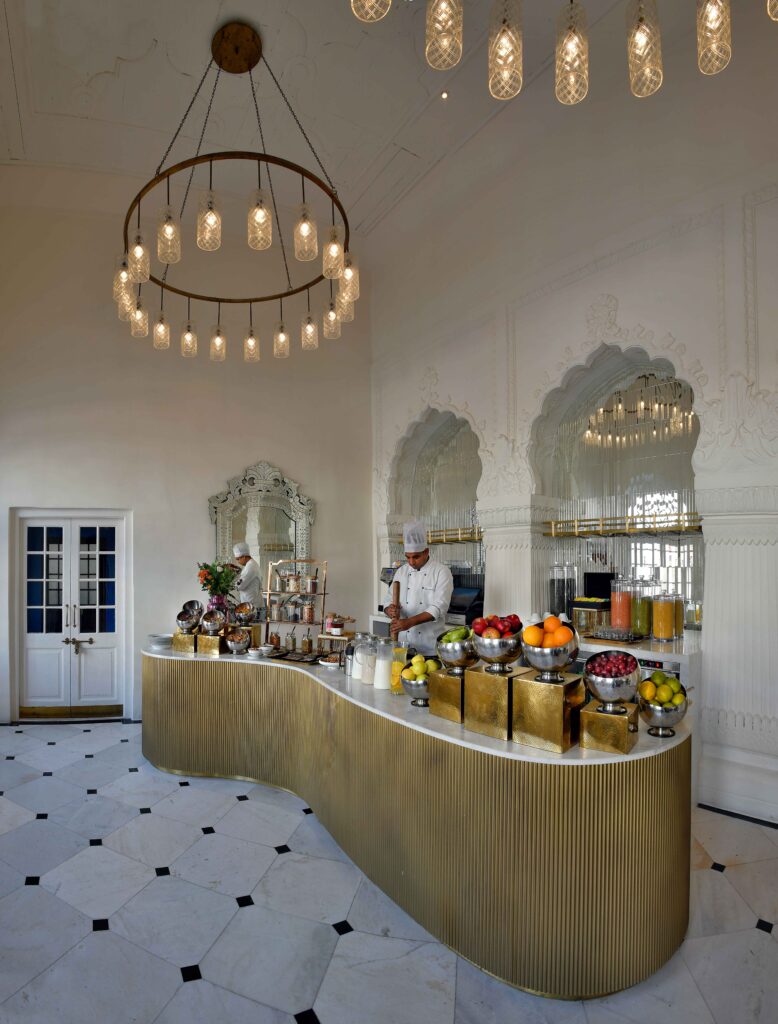
At Ran Baas, every meal is an invitation into the kitchens of the Patiala royals. We would start our mornings at the palace’s all-day dining restaurant, Neel. Designed like a contemporary durbar hall, it features soaring ceilings, pristine white arches, navy drapes and dramatic oval chandeliers inspired by Istanbul’s Blue Mosque. The custom upholstery, featuring horses, pays homage to the Patiala Maharajas’ celebrated love of equestrian sport.
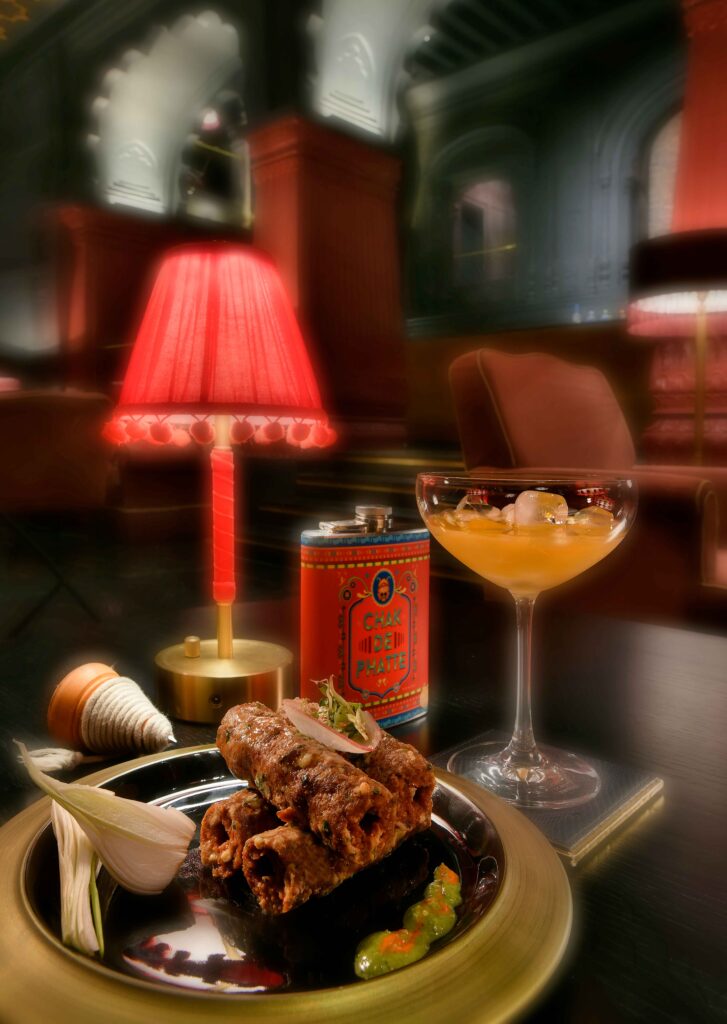
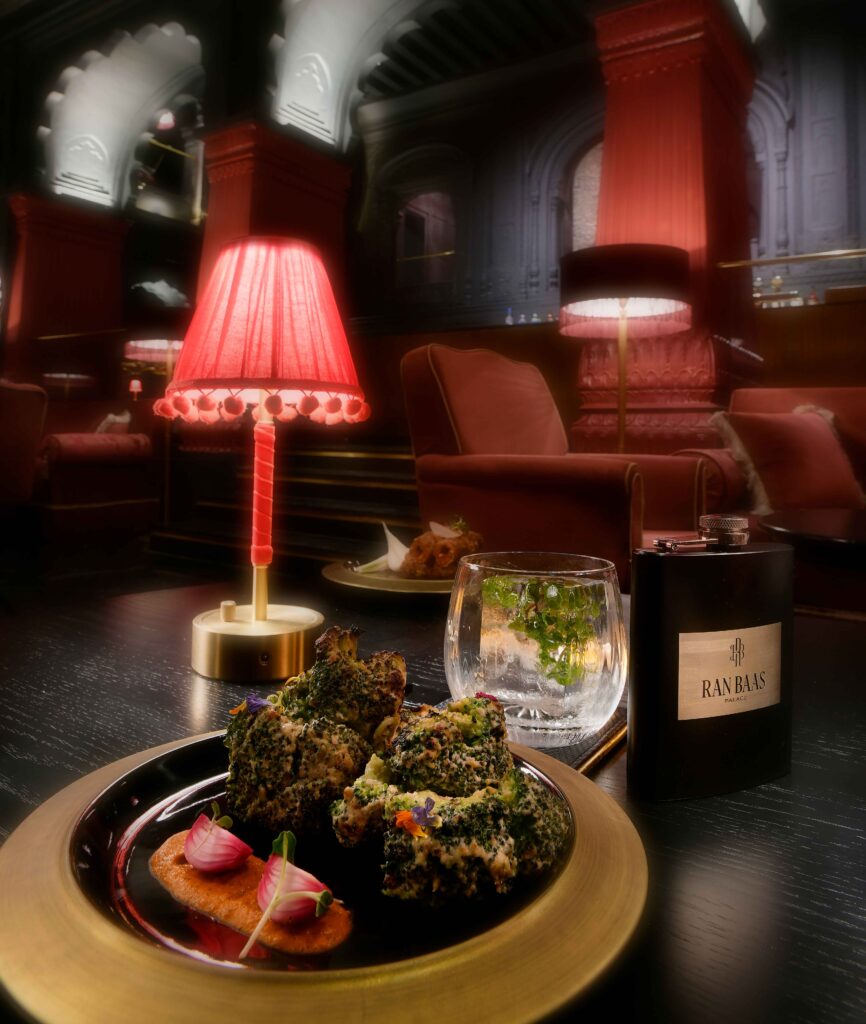
Chef Palvinder Singh draws from palace archives, historic cookbooks and recipes shared by the former royal family to reinterpret Punjabi cuisine. Seasonal produce takes centre stage, whether it’s Sarson Ka Saag with Khameeri Roti, comforting Chole Kulche or a beautifully balanced Punjabi thali that celebrates royal cooking traditions and techniques.
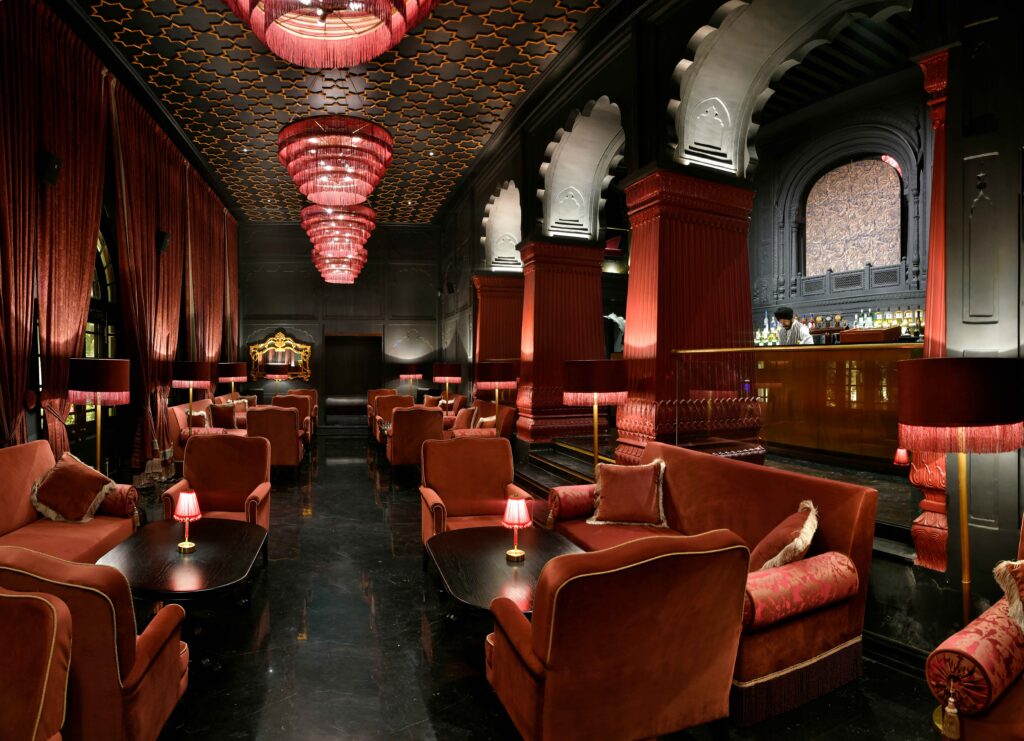
Come evening, we head to The Patiala Bar that offers an entirely different mood. Wrapped in rich burgundy and deep crimson interiors, it pays tribute to the legendary Patiala peg. It embraces inventive cocktails infused with regional botanicals and seasonal ingredients. We paired them with Crisp Dahi Kebabs and Smoky Paneer Achari, making for an elegant prelude to dinner.
An Evening Inside the Sheesh Mahal
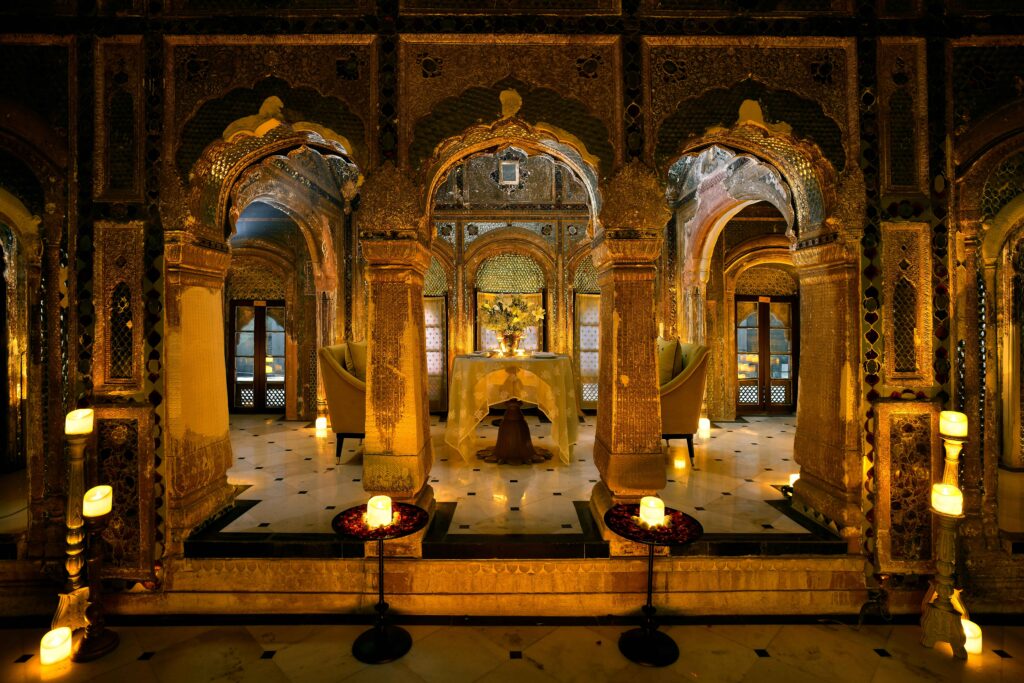
One evening, Chef Palvinder surprised us with an intimate degustation dinner inside the palace’s magnificent Sheesh Mahal (an experience I would highly suggest couples to book). Lined with thousands of mirrors that glimmer beneath candlelight, the room was historically designed so royal women could discreetly observe the life beyond the palace walls. The tasting menu unravelled like chapters of a family tree. Each course symbolised a different relationship, beginning with distant relatives before progressing towards closer emotional bonds. A beautifully Deconstructed Kofta Curry represented siblings, while dessert arrived as an elegant pairing of Passionfruit And Mango Mousse, two flavours that blended harmoniously like sisters. Even the cocktails carried their own narratives.
The Palace Spa
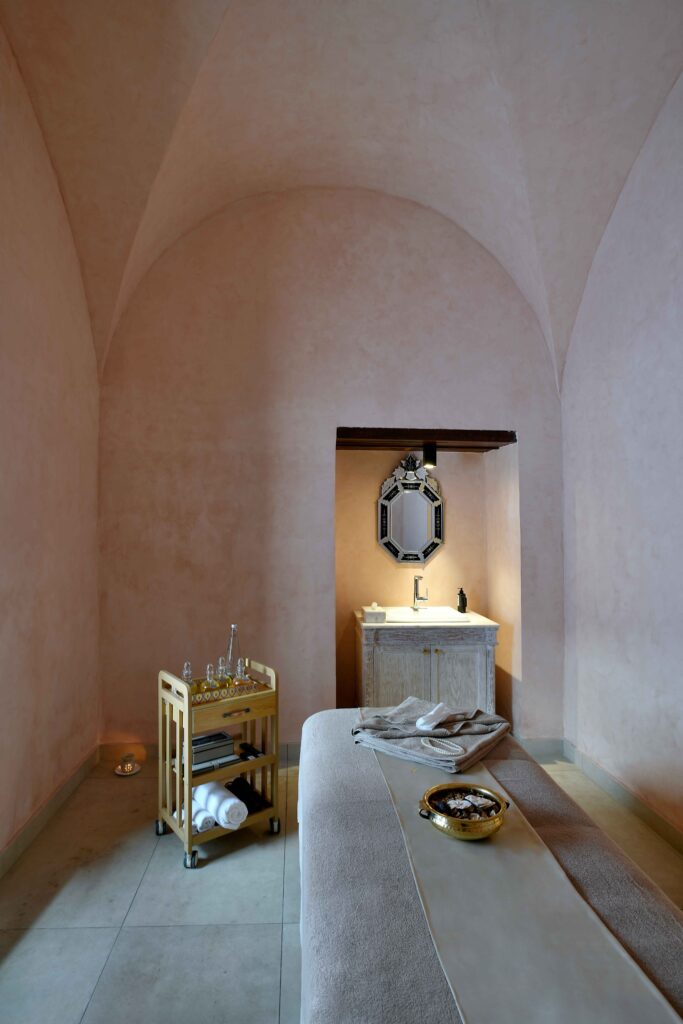
Hidden within another corner of the palace lies one of Ran Baas’ most fascinating spaces. The spa occupies what was once the royal refrigeration chamber, where perishable ingredients were naturally kept cool centuries before modern technology. Today, these historic rooms are transformed into a contemporary wellness sanctuary that preserve their original temperate interiors. Soft peach-toned treatment rooms, including a dedicated couples’ suite, create an atmosphere of complete calm. Therapists blend ancient Indian healing traditions with customised massages and wellness rituals. We indulged in one of their signature Ayurvedic massages.
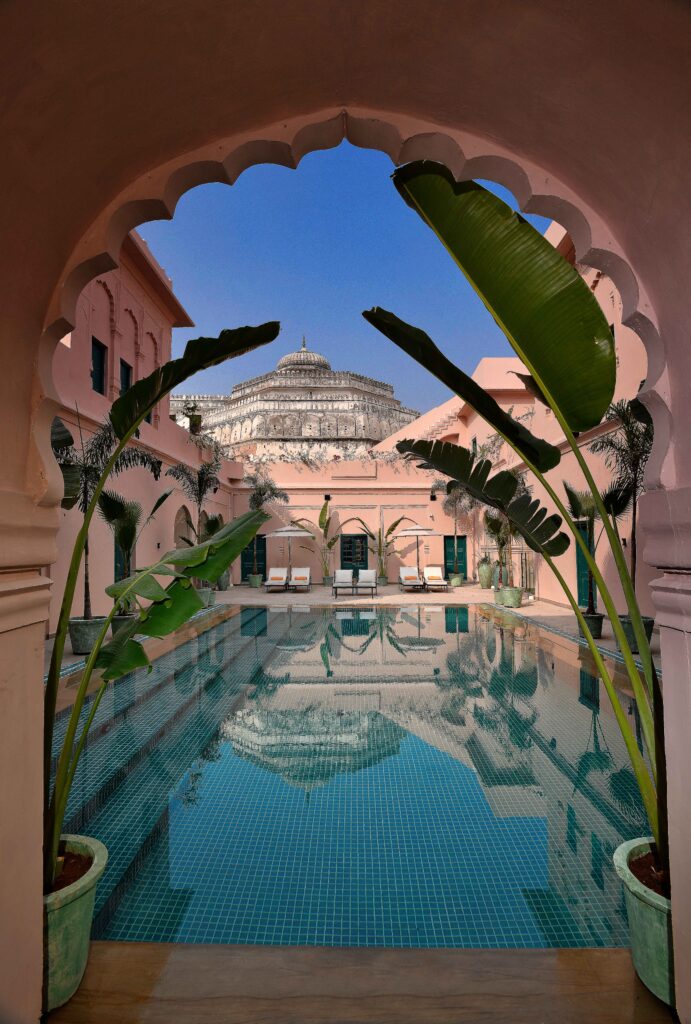
Beyond the treatment room is a tranquil Moroccan-inspired pool enclosed by salmon-pink walls and tropical planting.
A New Royal Address for Weddings
Ran Baas, The Palace promises exclusivity and luxury as a honeymoon retreat, yet it is equally poised to become one of Punjab’s most coveted wedding destinations. A dedicated events building adjoining the palace already hosts intimate celebrations, while a larger standalone venue is currently under development. With its dramatic courtyards, terraces and restored heritage architecture, it offers a perfect alternative to India’s more predictable palace wedding destinations.
The Royal Treatment
I believe luxury is no longer defined by hefty price tags or tariffs. At Ran Baas, it’s the people who bring it to life. General Manager Manmeet Singh speaks passionately about preserving more than just the palace. “We don’t simply want guests to admire the palace,” he tells us. “We want them to experience the warmth and hospitality of royal life that once defined this residence, whether that is through stories of the palace’s history or food.” It is a philosophy that shapes our every interaction throughout the stay.
Every suite comes with a dedicated private butler. Ours, Sonu, somehow anticipated requests before we voiced them, whether arranging a beautiful high tea on the terrace or sharing shopping suggestions for hand-crafted juttis or jewellery. Her warmth transformed impeccable service into something genuinely personal.
For honeymooners, Ran Baas offers the grandeur of India’s great palace hotels without the predictability. Beautifully restored, personal and undiscovered, it is a place where Punjab’s royal legacy comes alive, allowing couples to experience, if only for a few days, what life inside a Maharaja and Maharani’s palace might once have been.
For more information:
Ran Baas, The Palace
www.TheParkHotels.com