
















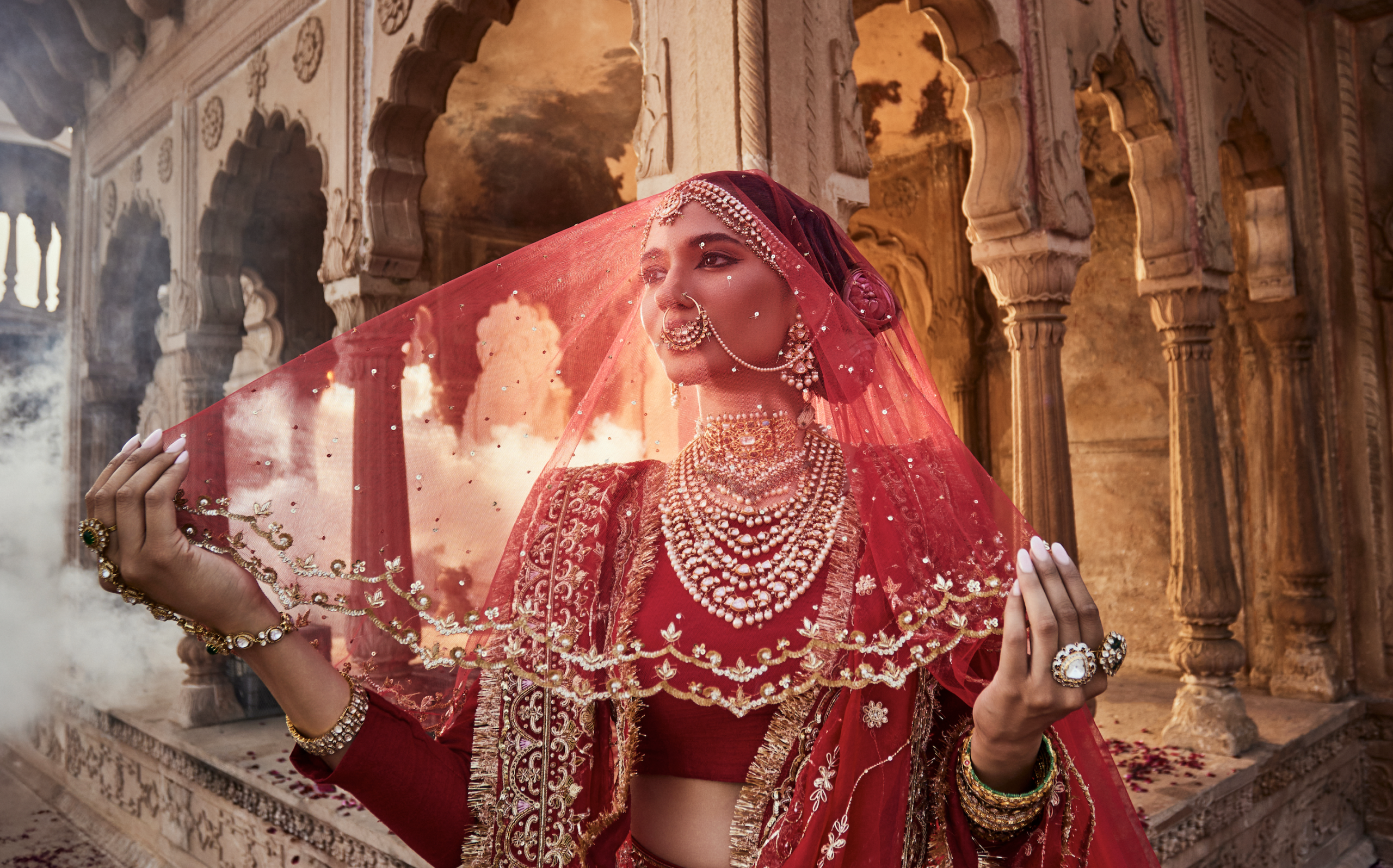
If there’s one thing most of us have inherited alongside the generational trauma, family drama and pristine dinner set specially reserved for the “special guests” who never actually arrived, it’s a collection of old wedding photographs.
The ones filled with our mums, aunties and grandmas in their bridal trousseaus, fully decked out and looking incredibly beautiful in that wonderfully vintage way. The photographs may be grainy and the poses slightly questionable, but somehow, decades later, their bridal looks still feel remarkably familiar.
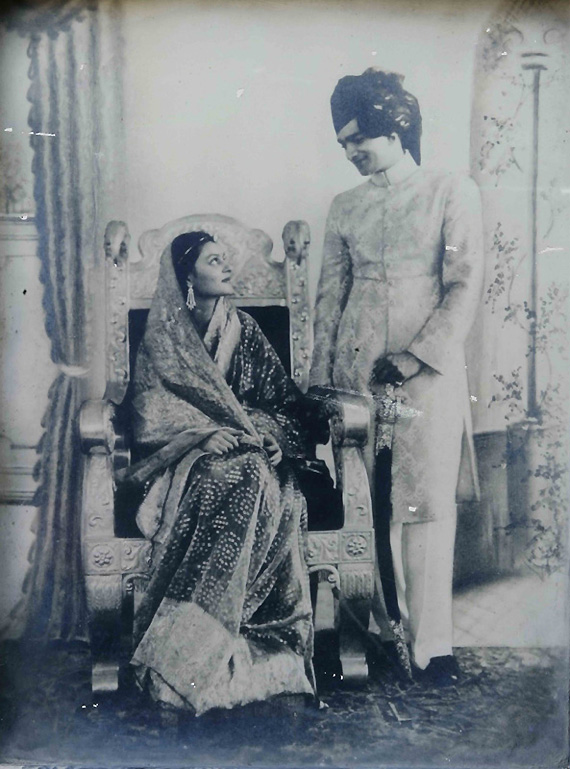
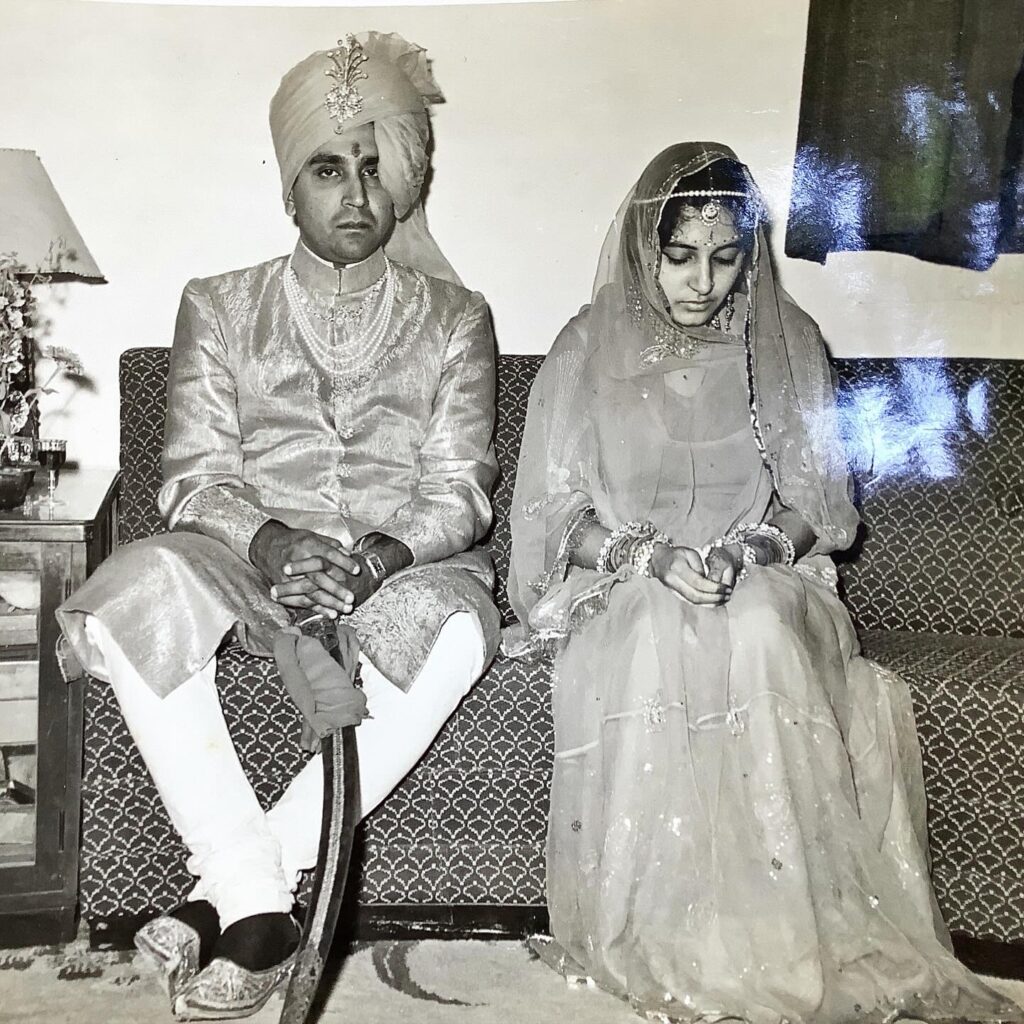
Granted, a lot has changed. We now have better cameras (thank God for that), makeup artists who finally understand that brown skin comes in more than three shades of foundation, and enough bridal choice to fill an entire dressing room. And yet, there’s something about seeing the women who came before us in their bridal finery and finding echoes of that same beauty in our own wedding day.
And here’s the thing: that continuity isn’t entirely a coincidence.
Chances are, without even realising it, you’re participating in a much older Indian tradition of adornment that we now commonly associate with Solah Shringar.
So, what exactly is Solah Shringar? And why sixteen? How did a broad cultural tradition of adornment become so deeply woven into the bridal look we recognise today?
Consider this your much needed history lesson on the women who came before us, the rituals they inherited, and the traditions we are now deciding what to do with.
What Does Solah Shringar Actually Mean?
The word solah means sixteen, while shringar refers to adornment, beautification or decoration, from the Sanskrit śṛṅgāra. Today, Solah Shringar is most associated with the elaborate preparation and adornment of a bride, particularly within Hindu wedding traditions. But its history is broader and more fluid than the modern bridal checklist might suggest.
The idea is not simply that a woman puts on 16 specific things. Rather, it represents complete adornment – bringing together clothing, jewellery, cosmetics, flowers, fragrance and other forms of beautification to create a finished look.
Essentially, it is the original head-to-toe bridal beauty edit. And while we might now think of Solah Shringar as a list of 16 items, there is an important distinction: there has never been one universally agreed list of exactly which 16 things those are.
That matters.
The History of Solah Shringar
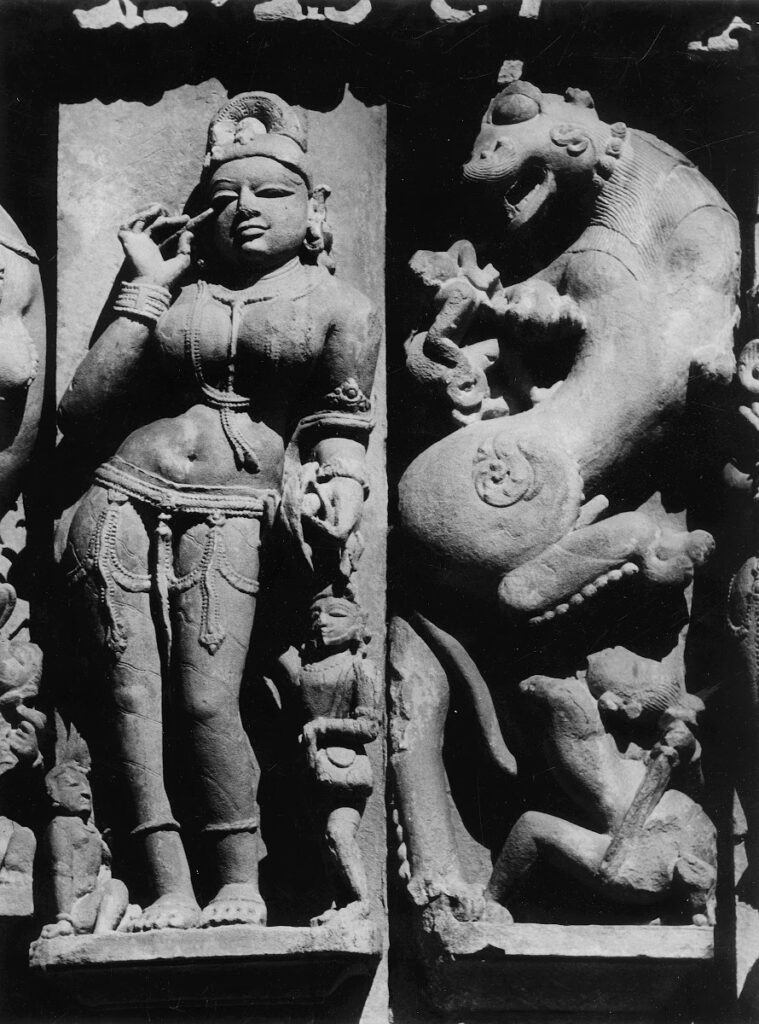
To understand Solah Shringar, it helps to understand shringara itself. In Indian aesthetics, shringara rasa is associated with love, beauty, attraction and romance. The idea of adornment appears throughout Indian poetry, literature, painting, temple and artistic traditions, where women are depicted preparing themselves through elaborate acts of beautification – as brides, queens, dancers, lovers and divine figures.
Adornment, then, was never simply about looking good.
It formed part of a much wider cultural language around beauty, femininity, love, sensuality and auspiciousness.
Over time, different texts, regions and communities developed their own understandings of what constituted complete adornment. Some descriptions focus heavily on jewellery and cosmetics, while others include bathing, clothing, hair, fragrance, flowers, mehndi, foot adornment and even betel leaf.
This is why there is no single historical checklist that every bride, region or community has followed.
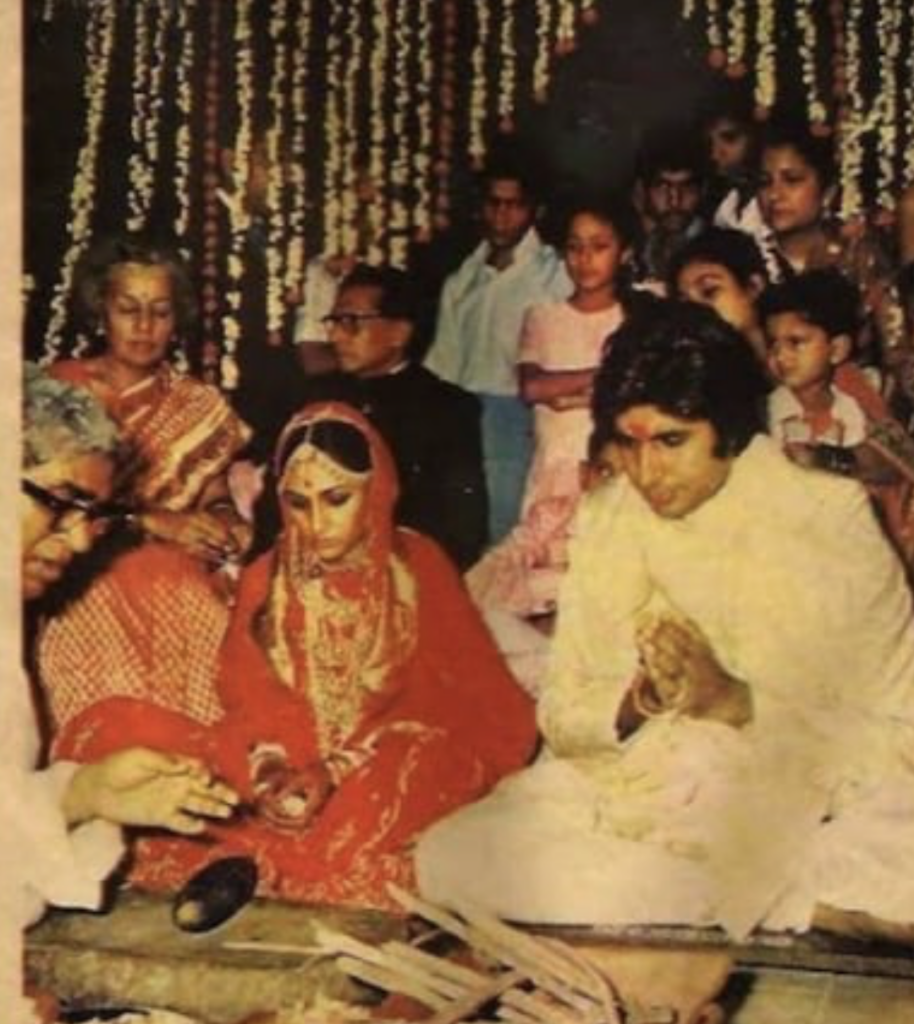
Instead, Solah Shringar is better understood as a framework for complete adornment, with the exact details changing according to time, place and tradition.
And that flexibility is important when we talk about it today.
Because a Punjabi bride’s Solah Shringar may look very different from a Maharashtrian bride’s. A Bengali bride may interpret it differently again. A South Asian bride in London might combine jewellery inherited from her grandmother with a contemporary lehenga, a modern makeup look and rituals specific to her own family.
The details change. The idea of adorning the bride from head to toe remains.
The 16 Adornments Commonly Associated With Solah Shringar
Because there is no single definitive list, the sixteen elements below represent a modern bridal interpretation of the tradition, drawing together adornments that have commonly been associated with Solah Shringar across different regional and cultural practices.
1. Bridal Attire
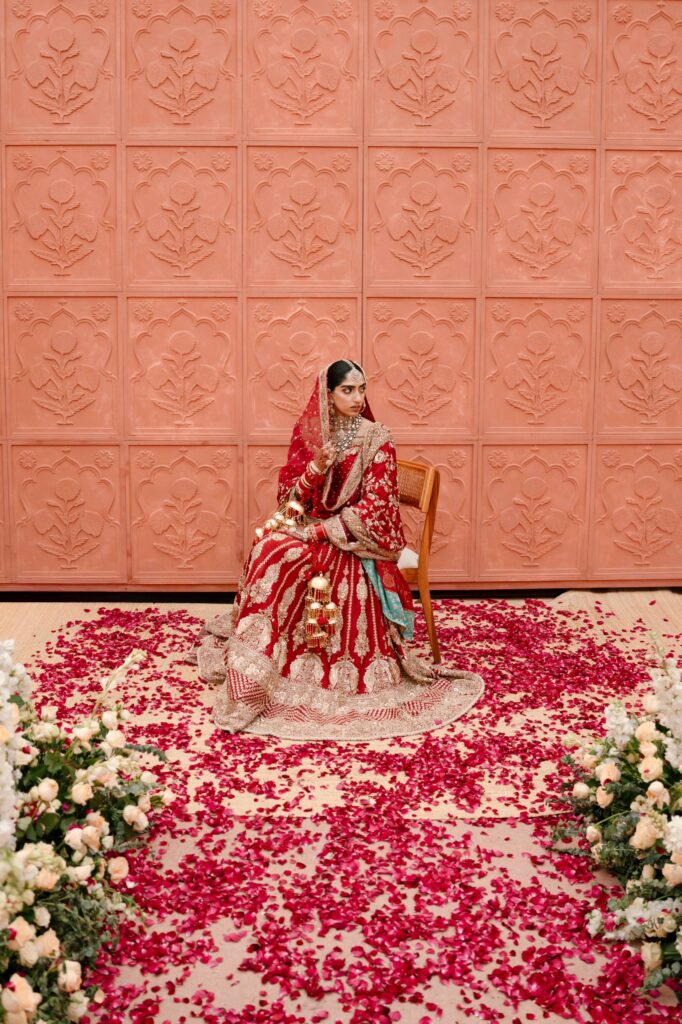
The clothes themselves are often considered part of the adornment, whether that means a sari, lehenga, ghagra choli or another regional bridal garment. Clothing forms the canvas on which everything else comes together.
For today’s bride, that might mean a traditional red lehenga. Or ivory. Or pastel pink. The colour palette may have changed dramatically, but the idea remains: the outfit is part of the transformation.
2. Hair and Its Adornment
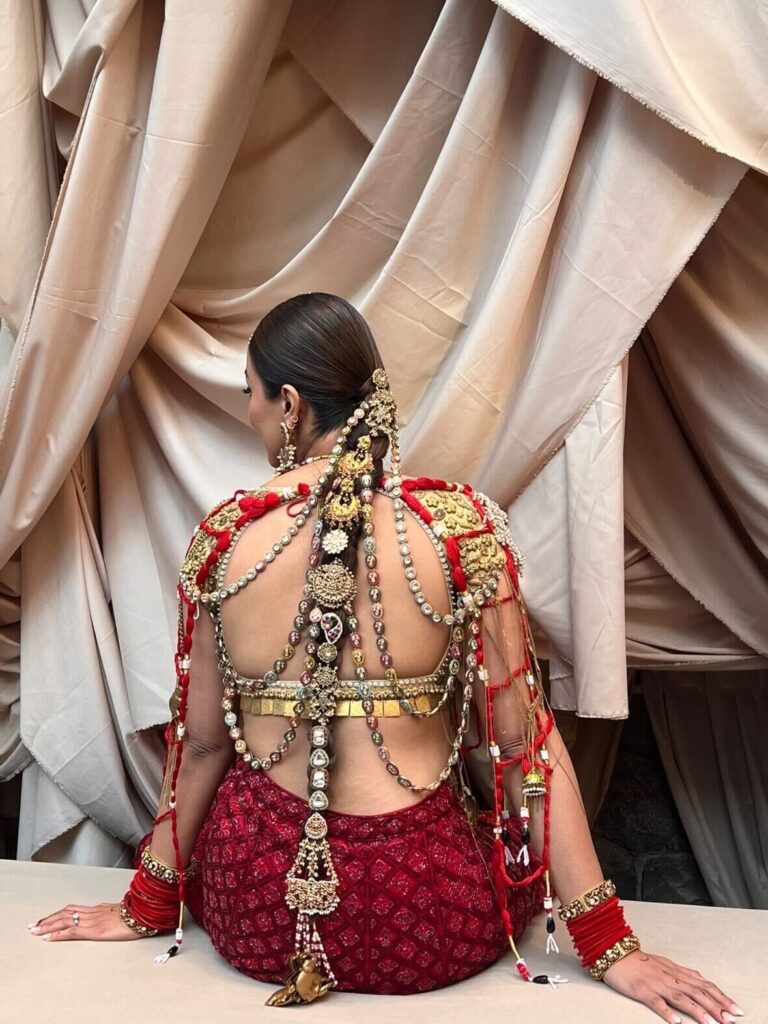
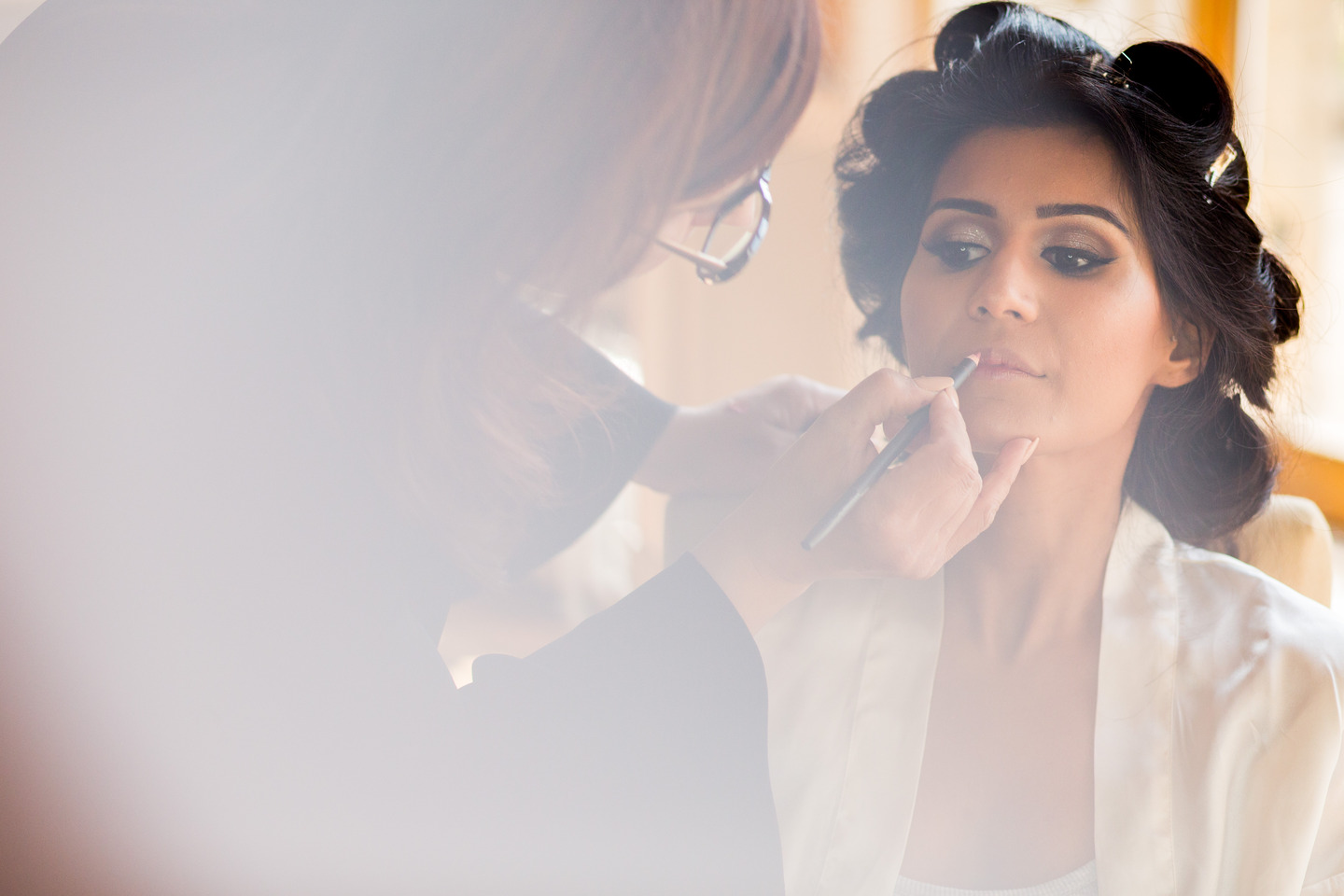
Elaborate braids, buns and carefully arranged hairstyles could be decorated with jasmine flowers, jewellery and other ornaments. The modern version might be a sleek bun beneath a veil, a braid covered in jasmine, or a Hollywood wave that has survived exactly three hours of dancing.
The tools may have changed. The obsession with getting the hair right has not.
3. Maang Tikka
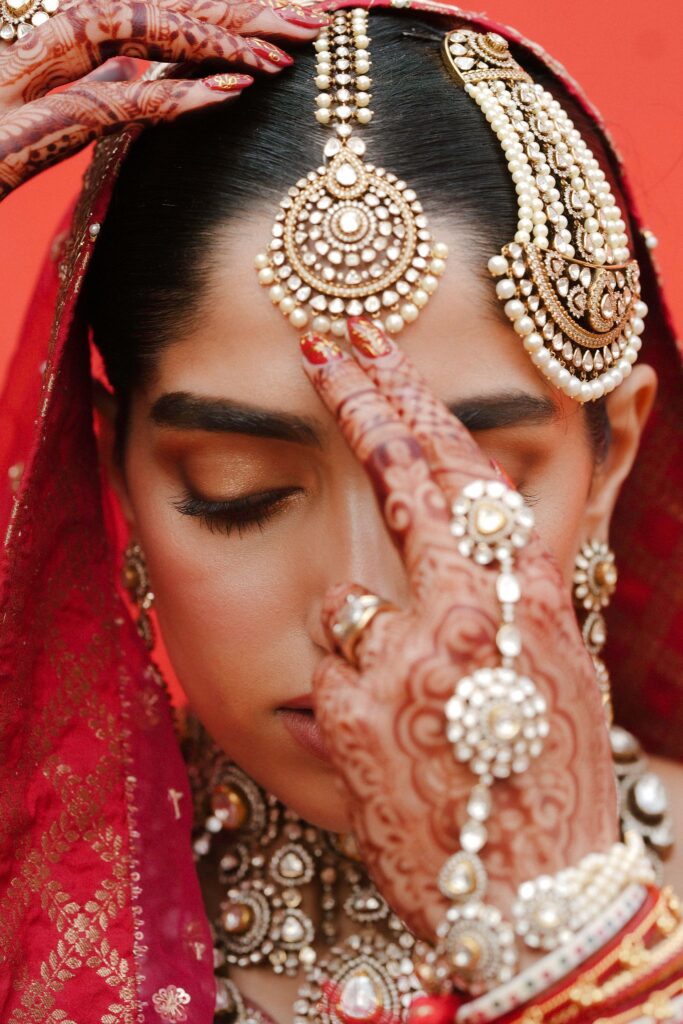
Placed along the centre parting of the hair, the maang tikka is now one of the most recognisable pieces of Indian bridal jewellery. It demonstrates perfectly how adornment can be both decorative and symbolic: positioned at the centre of the forehead, it becomes a focal point of the bridal look, while connecting the jewellery to the hairstyle.
Today, it can be anything from a delicate pendant to a dramatic, jewelled statement piece.
4. Bindi or Tilak
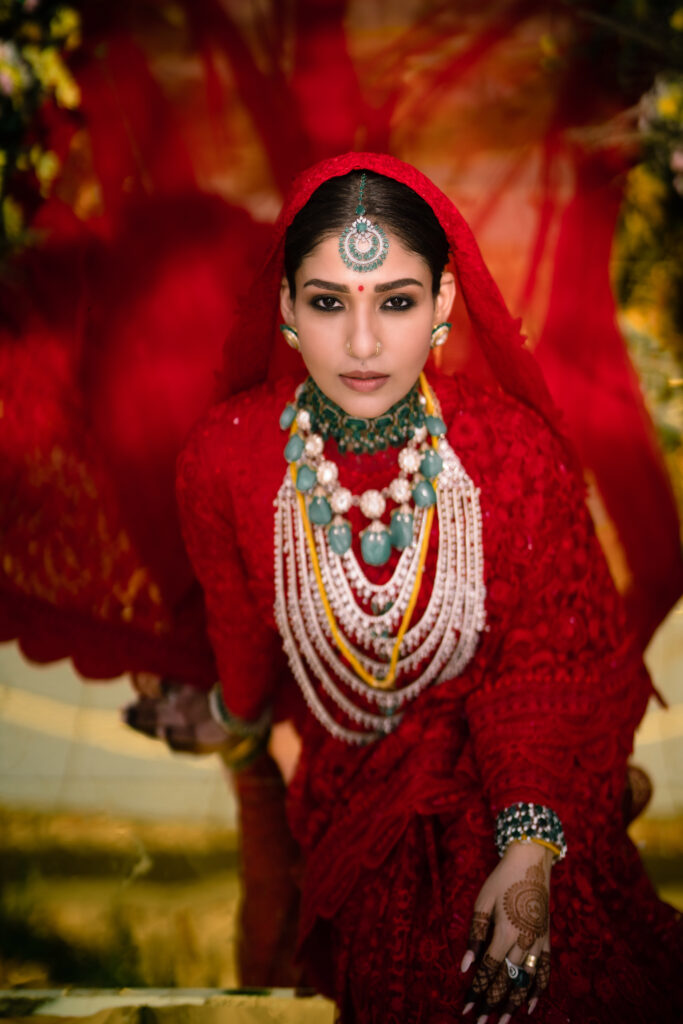
The bindi has an extraordinarily long and varied cultural history, with different meanings, forms and traditions across communities and periods. For a bride, it can become part of the visual composition of the face, sitting between the brows beneath the maang tikka and framing the eyes.
Today, it might be tiny and minimalist, large and traditional, jewelled, or completely omitted. There is room for all of it.
5. Sindoor
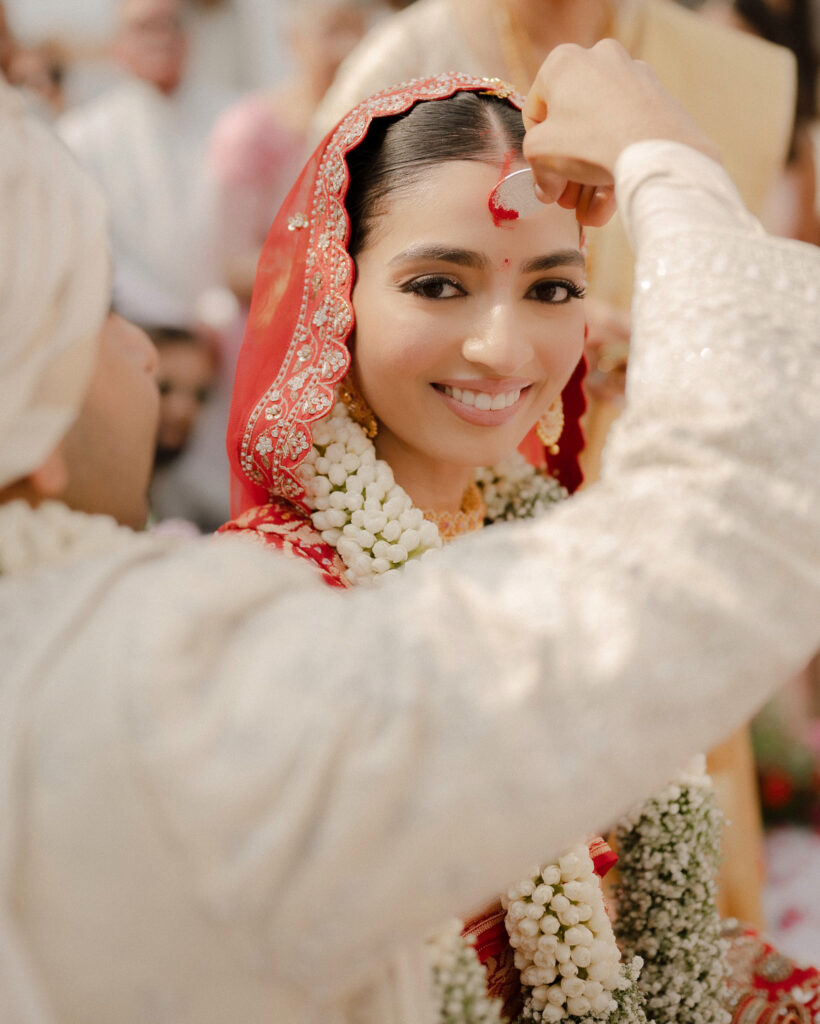
For Hindu married women in traditions where it is practised, sindoor is applied along the hair parting and carries strong associations with marriage.
It belongs to a category of adornment where beauty and marital symbolism overlap, reminding us that not every element of bridal dressing exists simply for decoration.
6. Kajal or Kohl
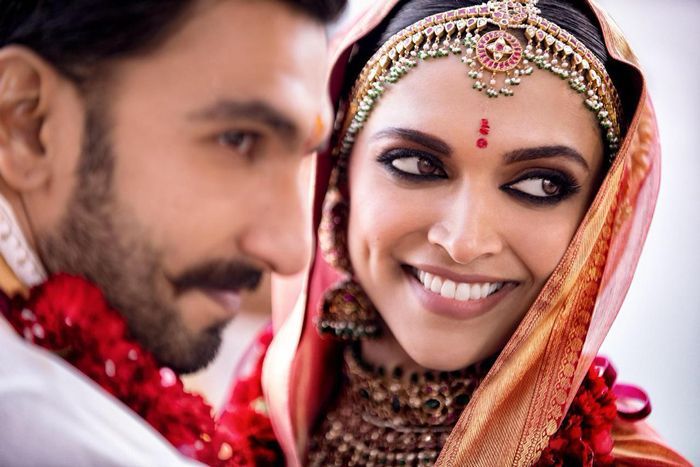
Before waterproof eyeliners and 12-hour bridal foundations entered the chat, there was kohl. Kajal has been used across South Asia for generations, both as a cosmetic and within wider cultural practices surrounded by beliefs about protection from the evil eye.
For the modern bride, the smoky eye may have replaced traditional applications, but the objective remains remarkably familiar: make the eyes look even better in every photograph.
7. Nath
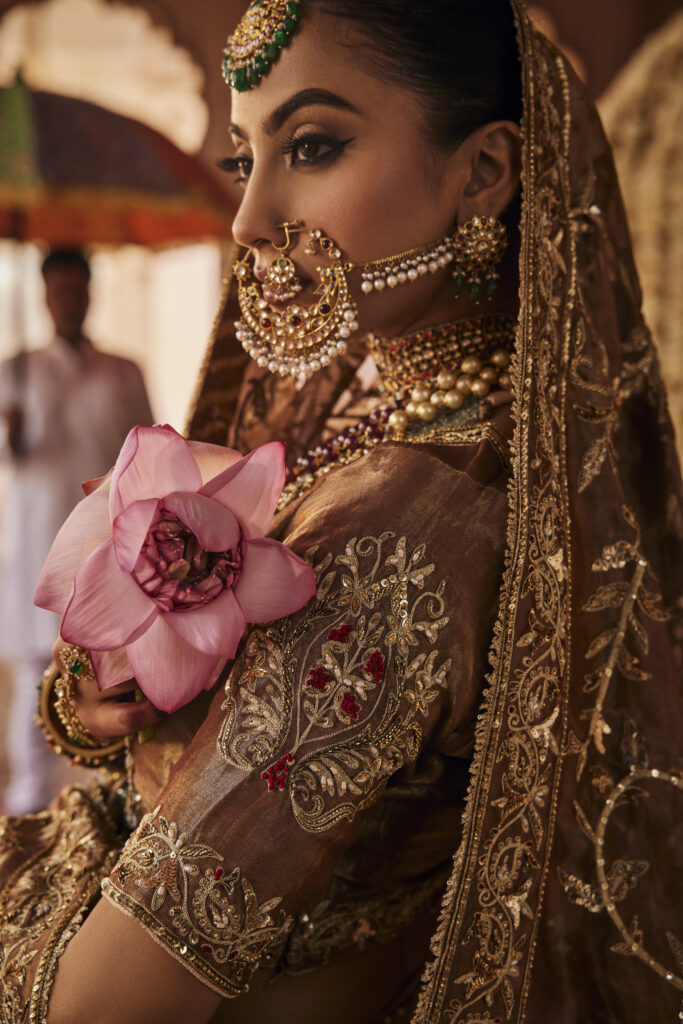
The nose ring – from a delicate nose pin to the spectacular oversized nath – is one of the pieces most strongly associated with regional bridal identity. Its form varies enormously across India and South Asia, making it a particularly good example of why there is no single universal Solah Shringar look.
A Maharashtrian nath does not look like a Rajasthani one. A Punjabi bridal nose ring can look completely different from a Bengali one. And that is precisely the point. Solah Shringar is a framework. Culture fills in the details.
8. Earrings
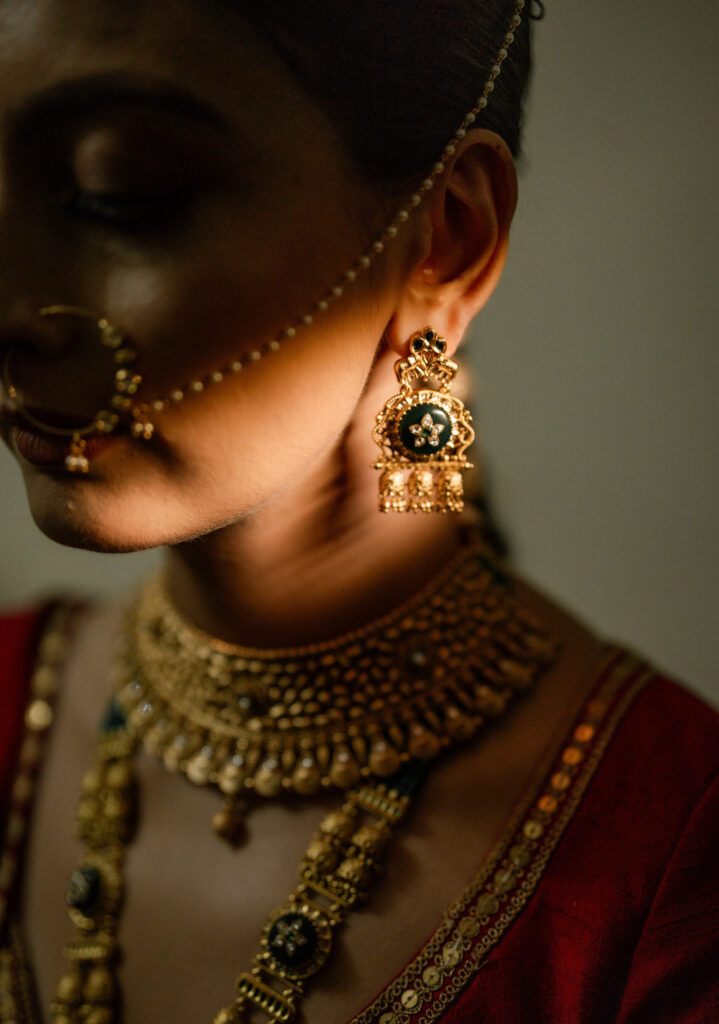
From jhumkas to elaborate chandbalis, earrings have long formed part of bridal adornment. They often work alongside the maang tikka, nath and necklace to create the elaborate framing of the face.
9. Necklace or Haar
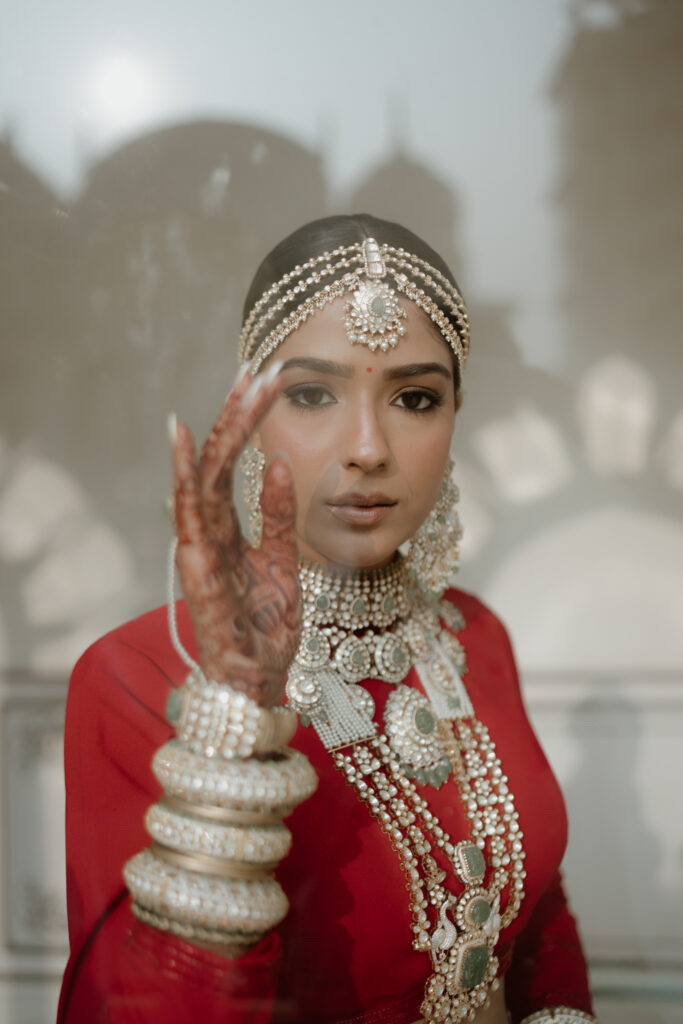
A bridal necklace can be anything from a delicate chain to an impressive multi-layered haar. Necklaces have featured prominently in descriptions and depictions of women’s adornment across South Asian history and remain one of the most significant components of bridal jewellery today.
The modern bride might be choosing between a choker, rani haar, kundan necklace or something altogether more contemporary.
10. Baajuband or Armlet
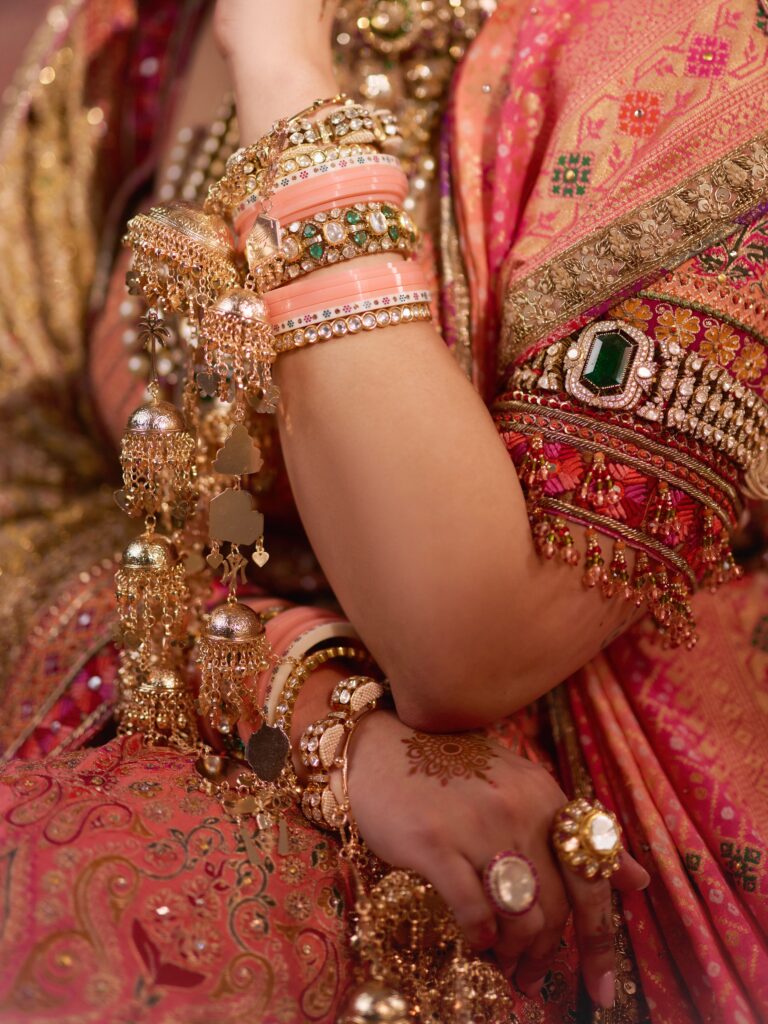
The baajuband, or armlet, sits on the upper arm and is another adornment that can easily disappear from contemporary bridal wardrobes, only to make a spectacular comeback when someone discovers the right vintage piece.
Historical jewellery collections show that armlets were not simply a fleeting bridal-fashion invention. Elaborate examples appear in Indian jewellery traditions dating back centuries.
Today, they can add another layer of detail to a traditional bridal silhouette, particularly when paired with sleeveless or short-sleeved blouses.
11. Bangles or Choodiyan
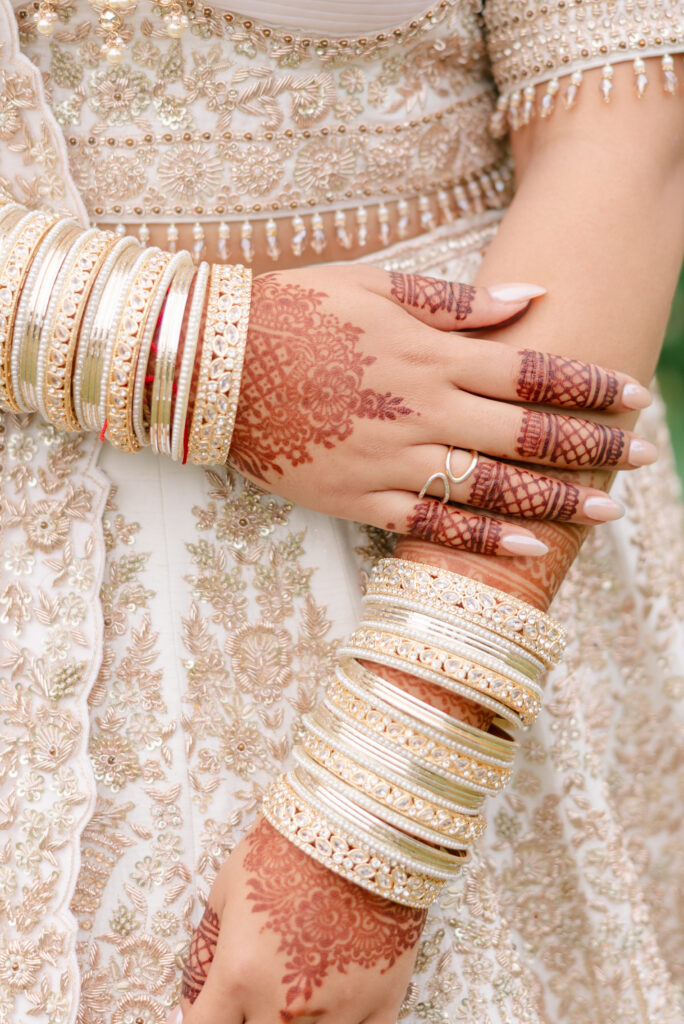
If there is one part of the South Asian bridal look that makes an entrance before the bride does, it’s the bangles. The sound, colour and abundance of bangles have become deeply associated with South Asian celebrations, although their styles and symbolism differ considerably between communities.
Glass bangles, gold kadas, bridal chooda and contemporary diamond bracelets can all occupy this space. The modern bride might mix heirloom pieces with new jewellery – which is, in many ways, exactly how living traditions work.
12. Mehndi/Henna
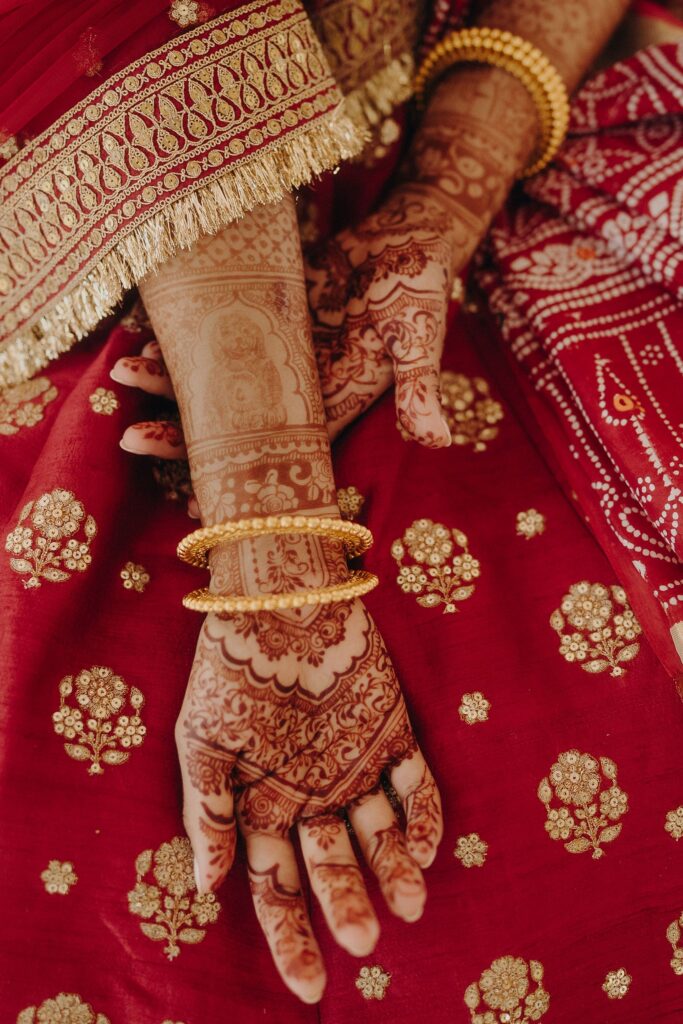
Mehndi is one of the most beloved parts of the modern South Asian bridal experience, and its significance stretches far beyond having exceptionally good hand content for Instagram. Applied directly to the skin, henna has been used across South Asia for centuries and is closely associated with celebration, auspiciousness and love.
Its use in bridal traditions also varies significantly across communities, with different patterns, ceremonies and customs attached to it. For many British-born South Asian brides, however, the mehndi ceremony has become one of the most anticipated parts of the wedding itself – a tradition inherited from previous generations but often reimagined in a very contemporary way.
13. Rings and Hathphool
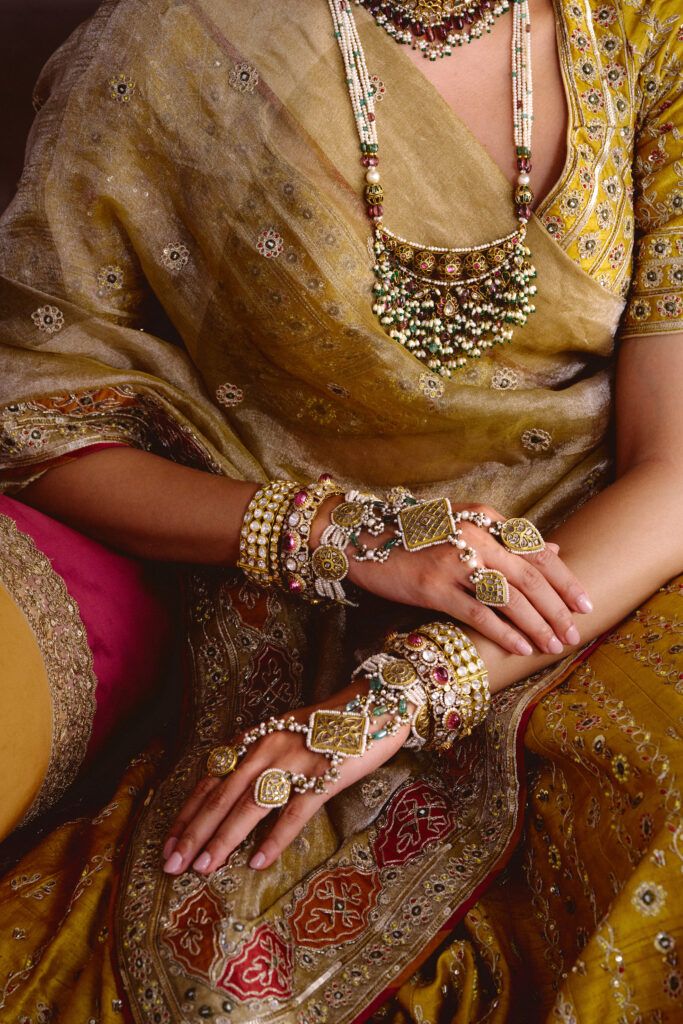
Hands have historically received their own share of attention. Finger rings and hand jewellery can transform the hands into another focal point of the bridal look, with hathphool connecting rings to bracelets through delicate chains.
Fun fact: Some traditions also include the aarsi, a thumb ring fitted with a tiny mirror. The mirror is said to have allowed a veiled bride to catch a glimpse of her groom.
14. Kamarband
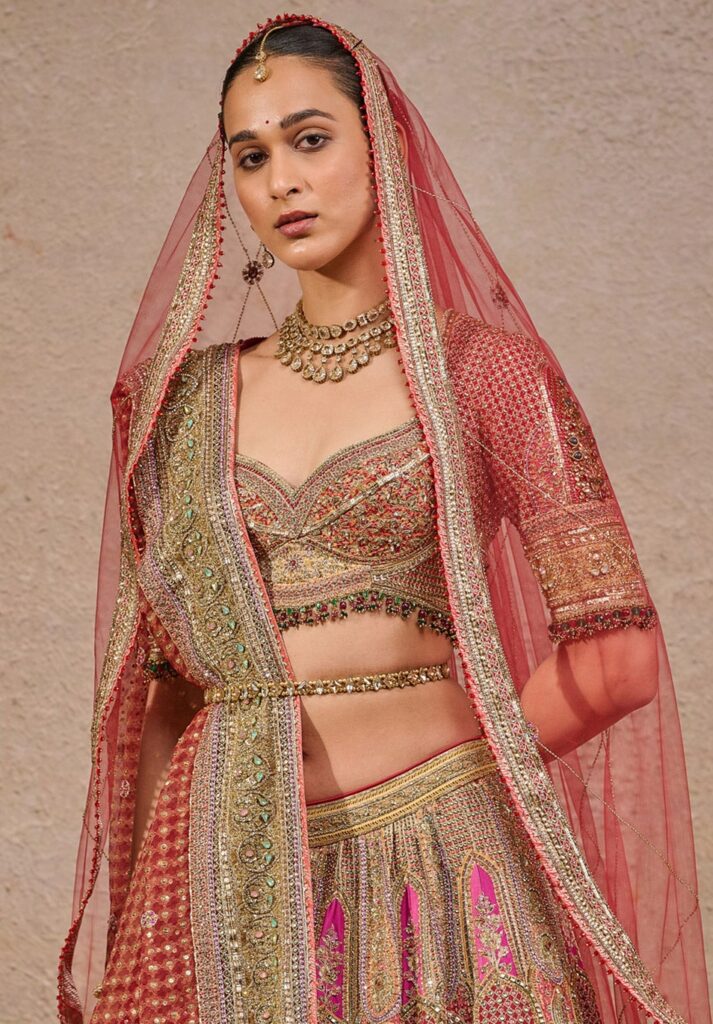
The waist ornament, or kamarband, is another adornment that appears in historical traditions and remains part of many contemporary bridal wardrobes.
Traditionally worn around the waist, it can accentuate the silhouette of a sari or lehenga, while adding yet another layer of jewellery.
15. Payal
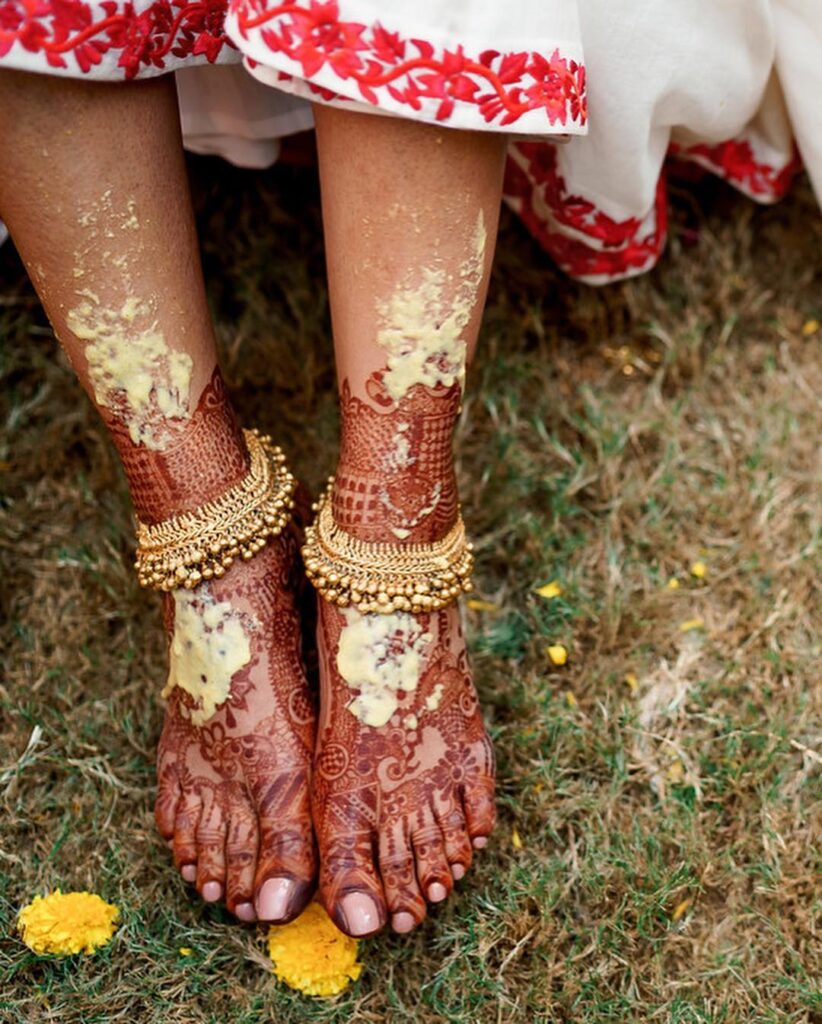
Anklets, or payal, have long been part of South Asian adornment. Often made from silver and sometimes featuring tiny bells, they bring jewellery all the way down to the feet, reinforcing the head-to-toe nature of complete adornment.
For many brides, they are one of those details that might remain hidden beneath the lehenga but are still considered an important part of getting dressed.
16. Bichhiya or Toe Rings
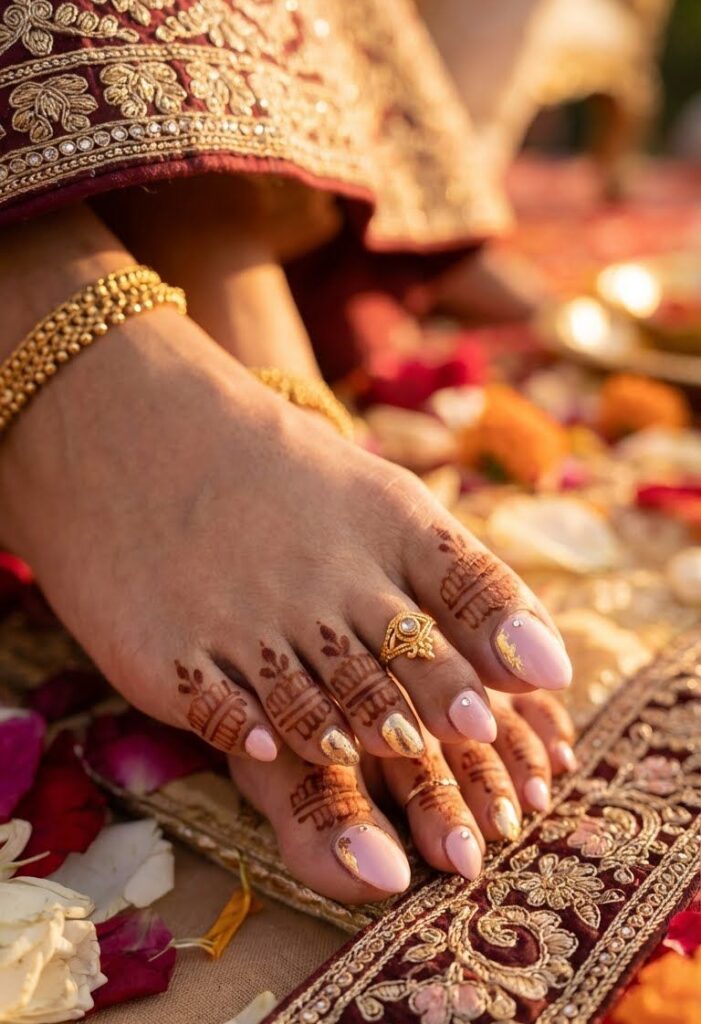
Toe rings, known by different names across regions, are traditionally associated with married women in several Indian communities. Like sindoor and certain forms of bangles, they demonstrate that some adornments carry meanings connected to marital identity.
And perhaps that is one of the most interesting things about Solah Shringar: the jewellery isn’t always just jewellery.
Why Is Solah Shringar Having A Moment Again?
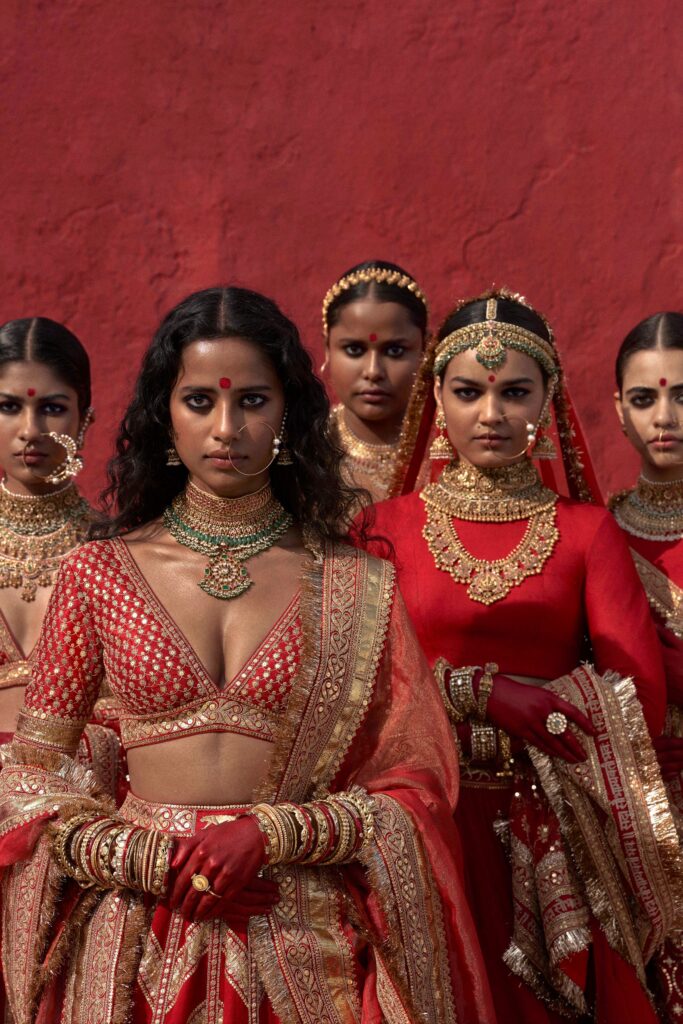
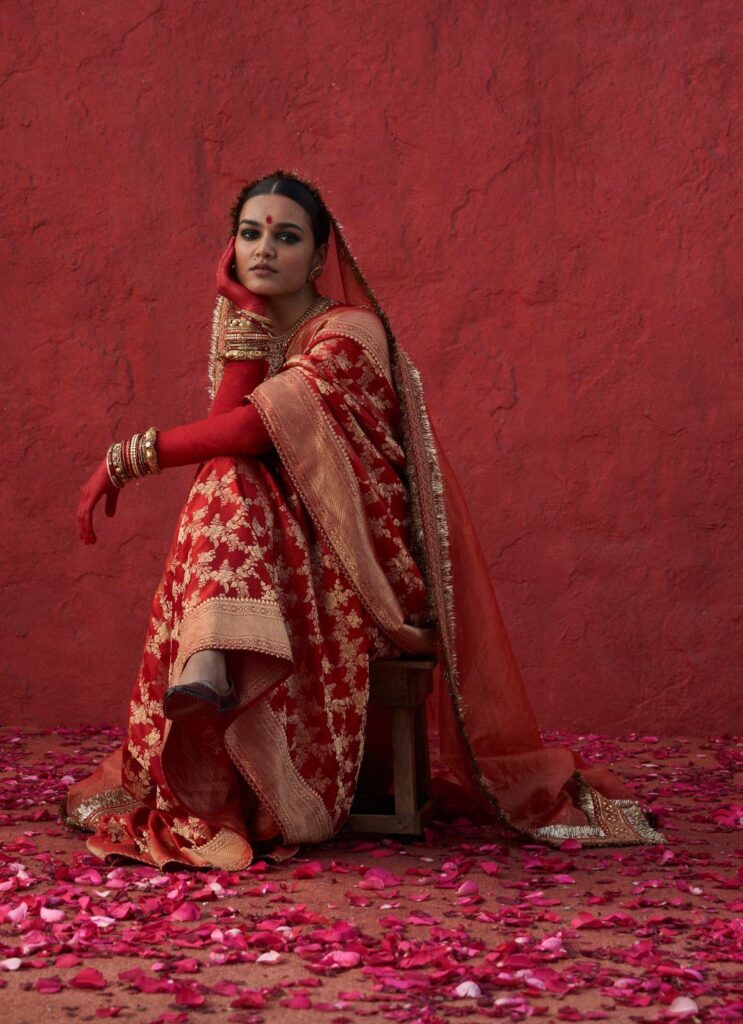
Solah Shringar has found a new audience among modern brides in recent years, helped in part by the renewed interest in heritage Indian fashion, traditional jewellery and maximalist bridal dressing. Couturier Sabyasachi Mukherjee has played a significant role in bringing this visual language back into the spotlight. His bridal collections have repeatedly drawn on traditional jewellery, layered necklaces, statement maang tikkas, bangles and rich textiles to create a sense of completeness and old-world grandeur.
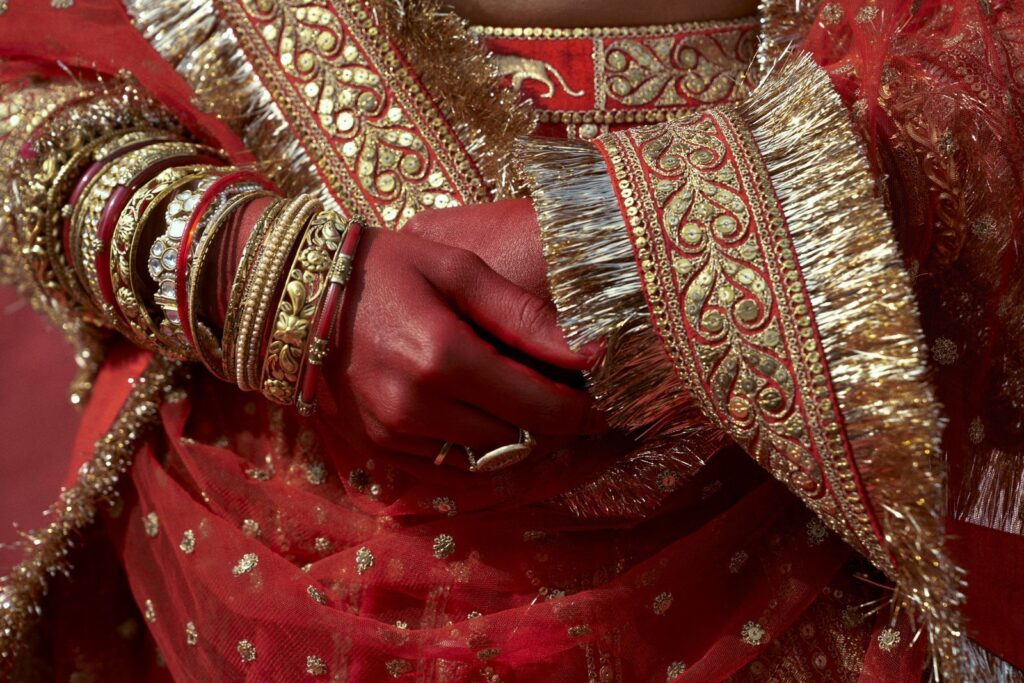
His work has also helped make elements that might once have felt old-fashioned feel aspirational again. In 2023, his focus on alta, the red dye traditionally applied to the hands and feet, offered another reminder that bridal beauty doesn’t necessarily begin and end with makeup and jewellery.
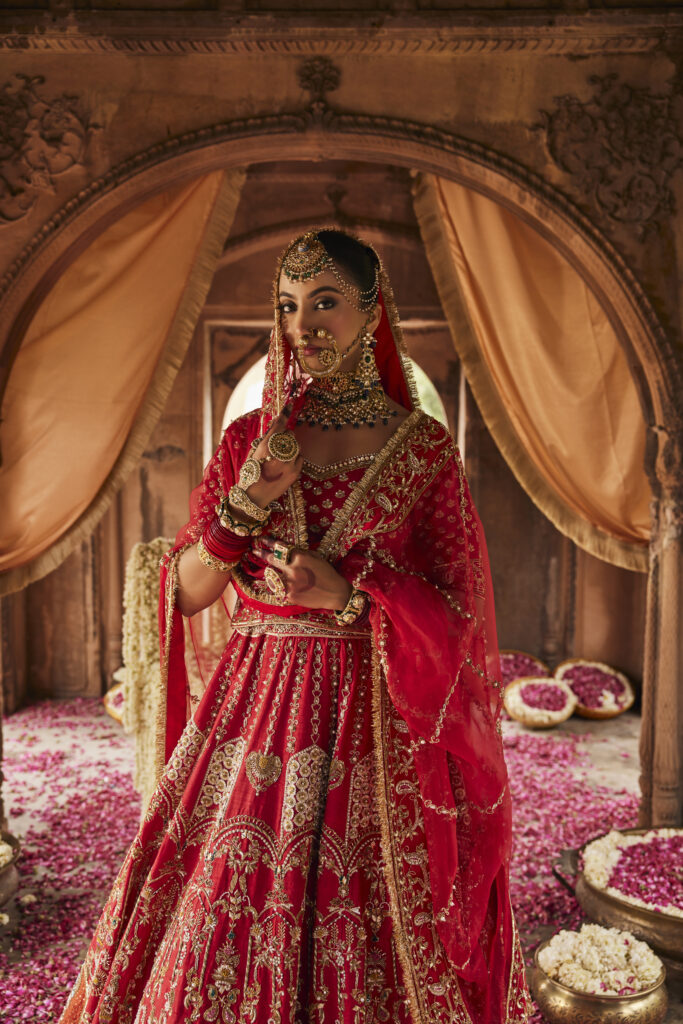
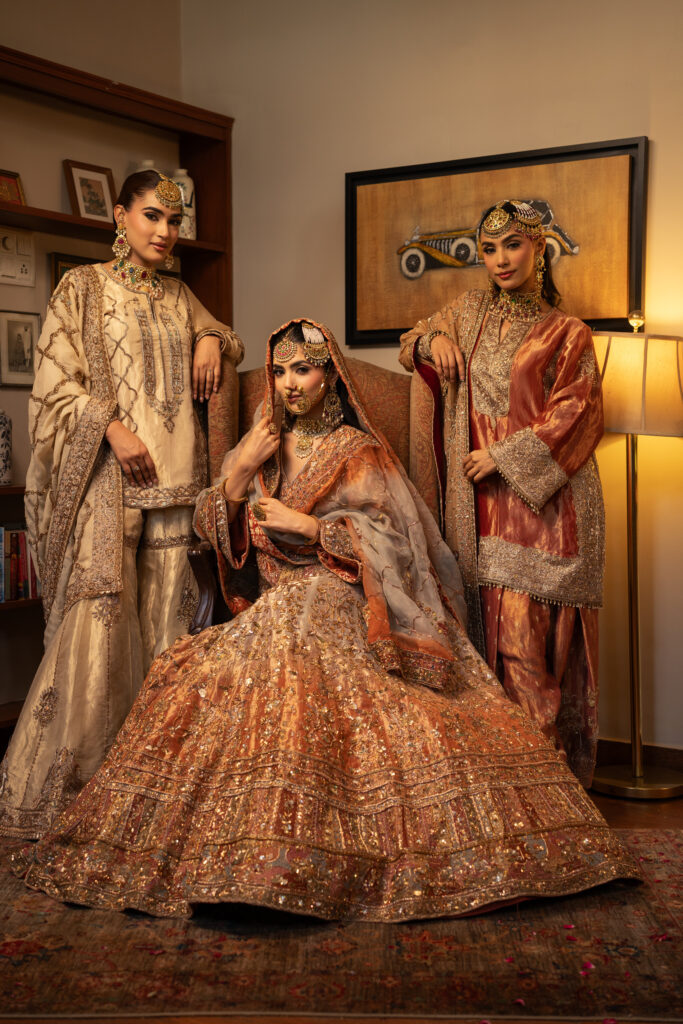
Heritage jewellers, like Jagdish Jewellers Chandigarh and Shri Paramani Jewels, have similarly kept traditional forms alive, continuing to reinterpret regional jewellery and bridal adornment for a new generation.
But this isn’t entirely new.
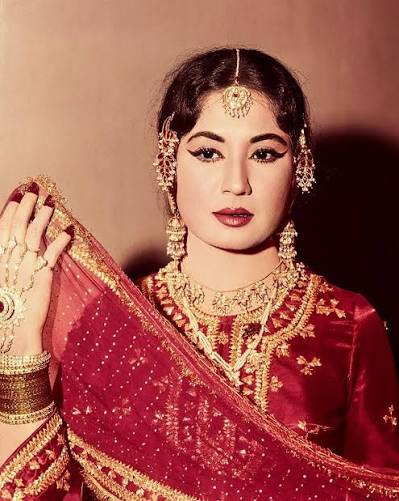
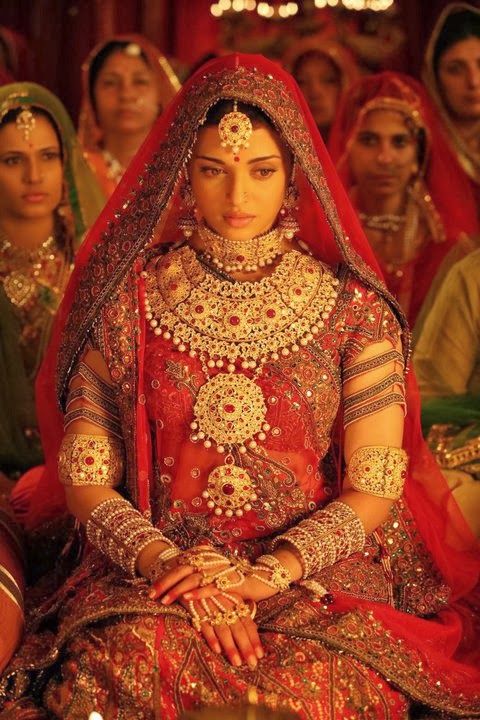
Indian cinema has been serving bridal maximalism for decades, from the courtesan opulence of Pakeezah and Umrao Jaan to the grandeur of Devdas and Jodhaa Akbar. Bollywood has given generations of women a visual vocabulary for what an extravagant Indian bride could look like.
What feels different now is the way brides are increasingly looking beyond the cinematic version of tradition and towards the rituals, craftsmanship and cultural histories behind it.
And that distinction matters.
A film costume is designed to tell a story on screen. A bridal tradition is something you inherit, participate in and potentially pass on.
Why Solah Shringar Still Matters?
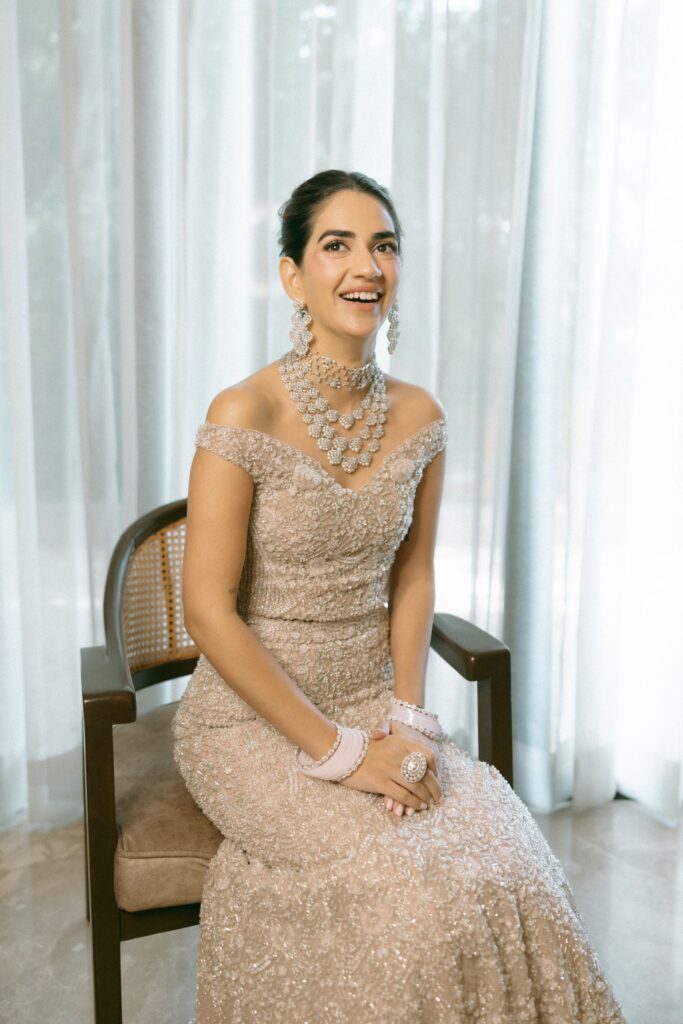
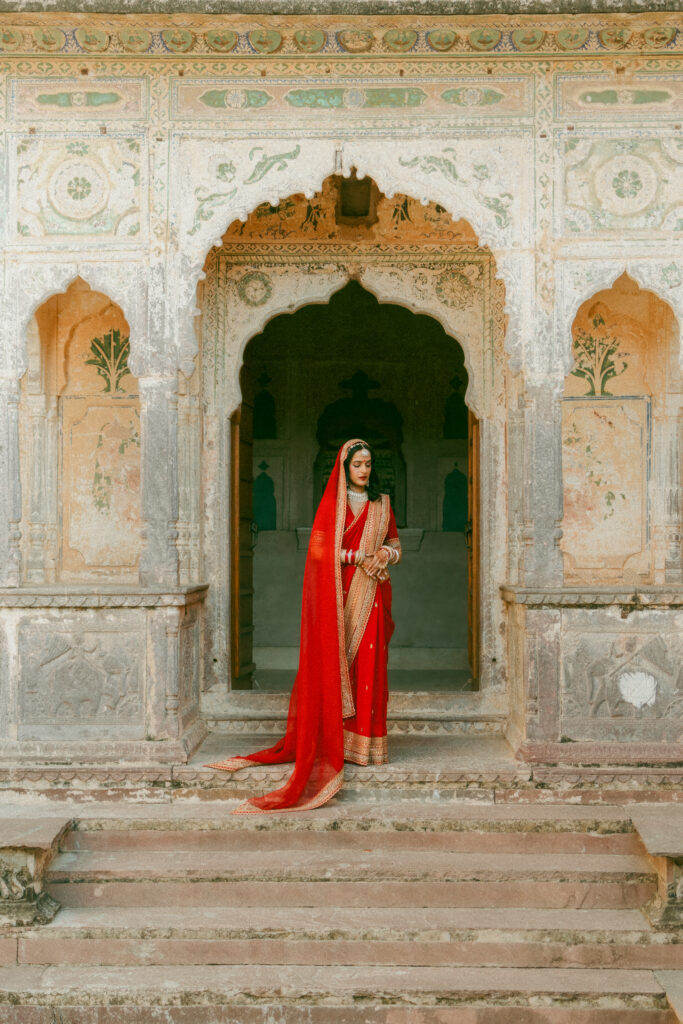
For a generation of South Asian brides raised between cultures, perhaps that is exactly why Solah Shringar feels so relevant today. We are not necessarily recreating the bridal looks of our mothers and grandmothers exactly as they were. We are taking what was handed down to us and making it our own – pairing heirloom jewellery with something new, traditional rituals with contemporary styling, and family customs with ideas we have discovered for ourselves.
Some brides will wear all 16 adornments. Others might wear five. Some will reinterpret them entirely. And none of that makes the tradition any less meaningful. Because perhaps Solah Shringar was never really about ticking off 16 boxes in the first place. Its history has always been fluid, shaped by different regions, communities and generations. At its heart, it is about complete adornment – the ritual of taking time to prepare, to celebrate beauty, and to mark a moment that carries significance far beyond the clothes and jewellery themselves.
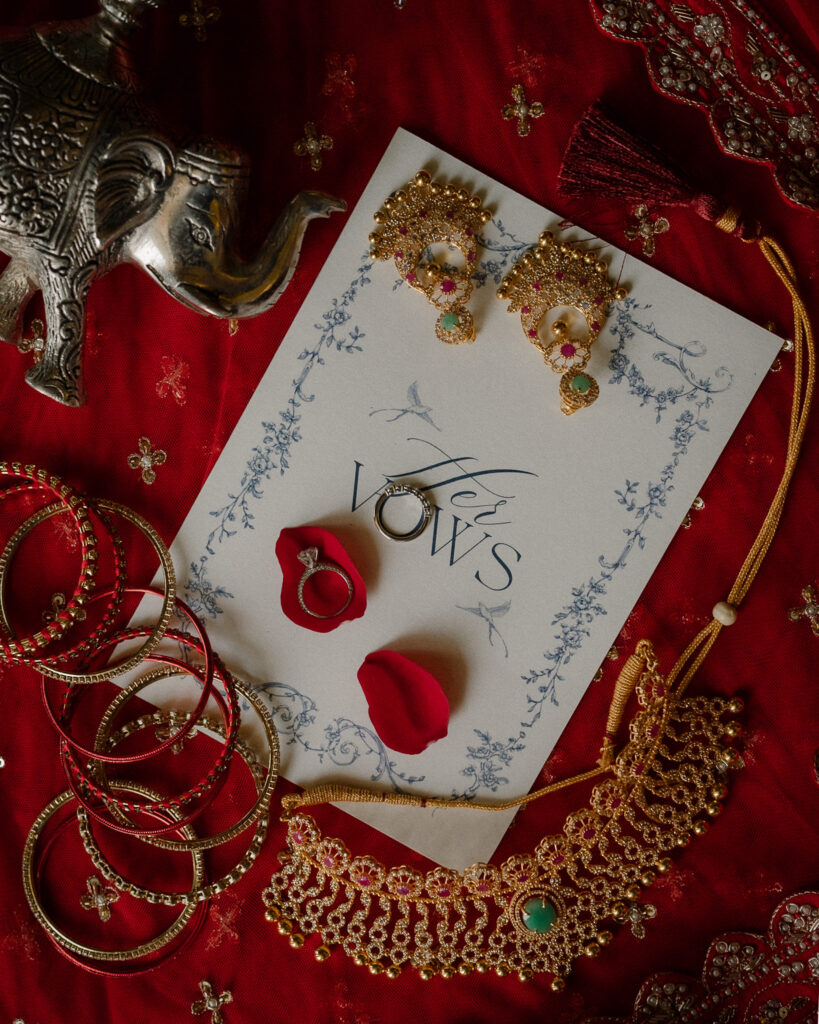
And perhaps that is what makes it so beautiful for today’s bride.
You can inherit a tradition without being bound by it. You can honour where it came from and give it a meaning of your own. Because traditions don’t stay alive by remaining unchanged. They stay alive because every generation finds a way to make them their own.