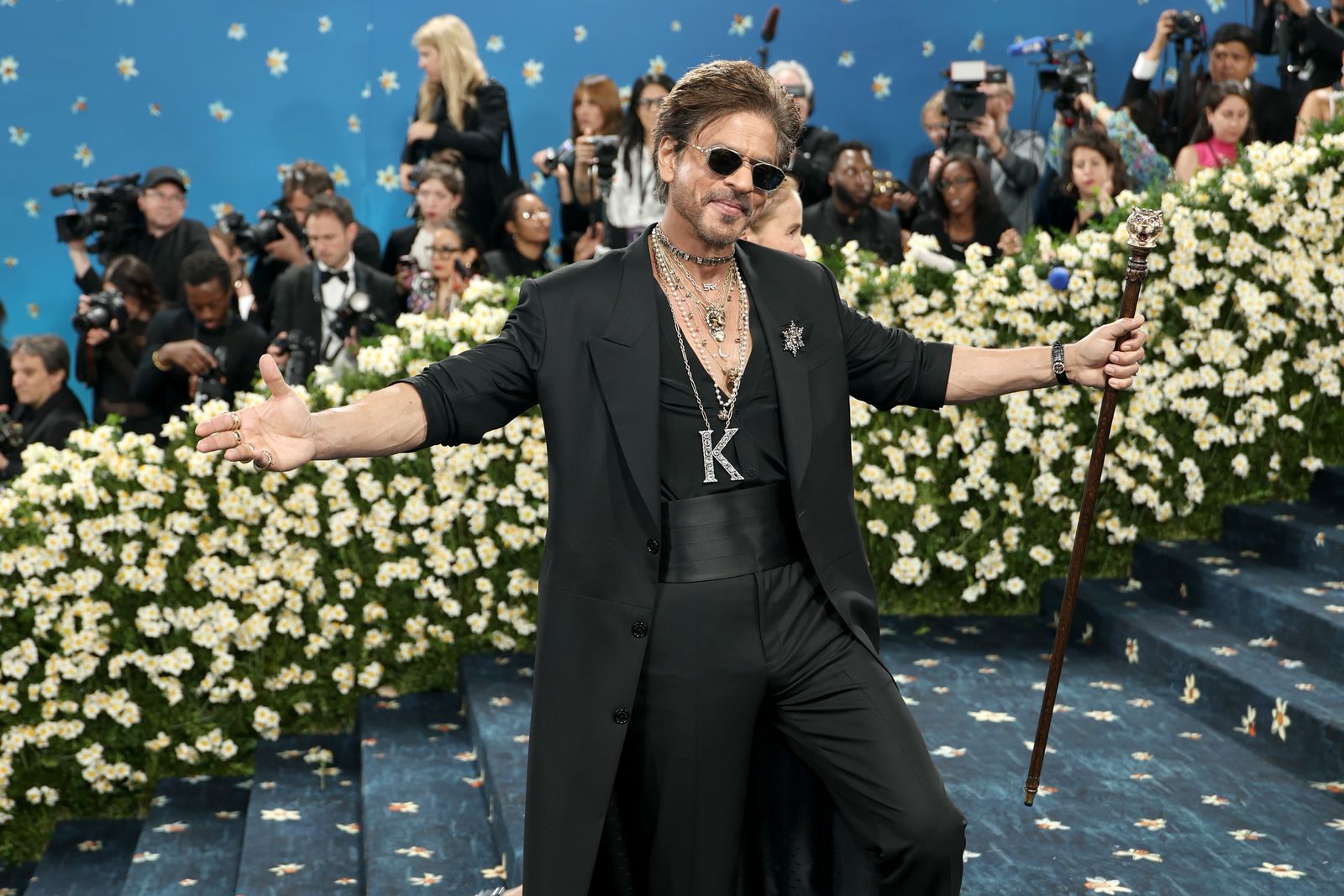
You know the one. Pleated, satin, tethered to a tuxedo or folded neatly beneath a jacket at a black tie dinner in Surrey or a prom in Ohio, doing its level best to hide the gap between shirt and trousers. The cummerbund: a rather dapper fixture of British formalwear, American proms and the occasional James Bond soirée. Somehow the cummerbund has picked up a thoroughly Western reputation, all gentlemen’s clubs and gala dinners. Rather cheeky, considering its ancestor walked out of India with a few colonial officers and never gave the credit back. The word is kamarband, a waist sash with a history spanning royal courts, military dress and centuries of textile craftsmanship. Its Western incarnation may have acquired the dinner invitation, but the original deserves rather more than a footnote in menswear history. Consider this a long-overdue introduction.
Before the tuxedo, there was the kamarband
Imagine a long, richly woven sash wrapped around the waist over a flowing robe, its embroidered ends falling at the front. Perhaps a dagger is tucked into its folds; perhaps a pen case or another precious object. This was the patka or katzeb, an essential feature of Mughal men’s dress. The Metropolitan Museum of Art holds 17th-century Indian examples in cotton and silk, decorated with intricate patterns and embroidery. Worn over the long jama, the sash was both practical and conspicuously luxurious, allowing its wearer to display wealth through fabric, craftsmanship and the objects carried within it.
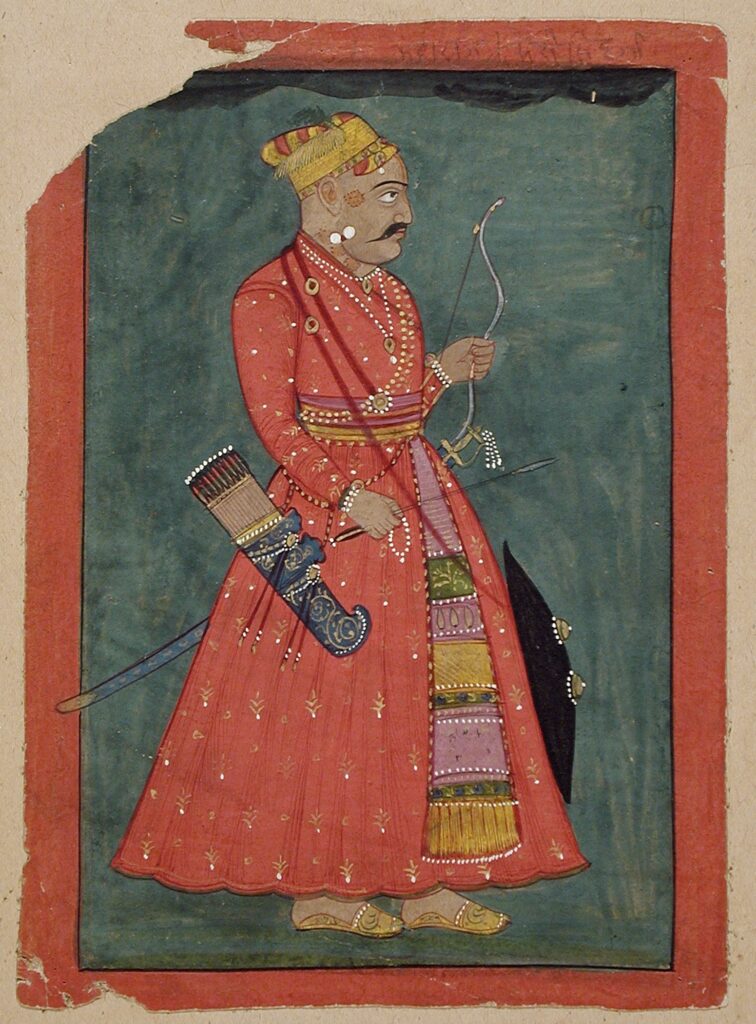
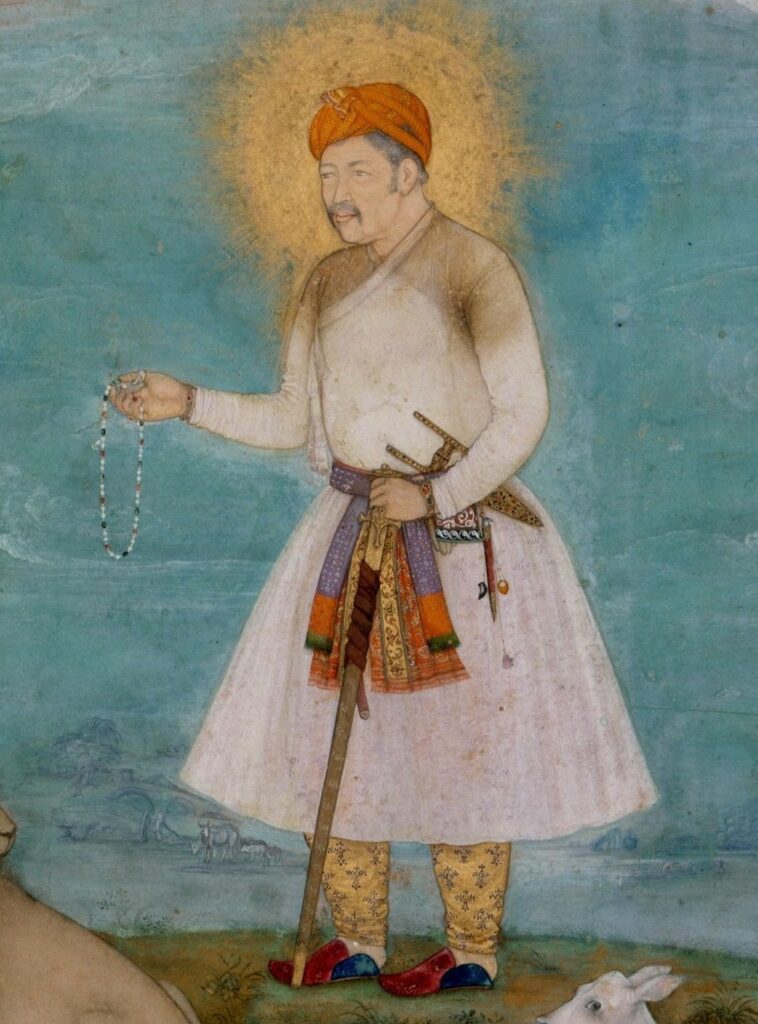
The terminology requires a little untangling. Kamarband combines kamar, meaning waist, with band, meaning bound or fastened. The term is associated with Persian and Hindi linguistic traditions. In Indian dress, it can describe a fabric sash, while ornamental waistbands made from metal, beads and precious stones belong to a related but distinct tradition. The American Institute of Indian Studies makes this useful distinction in its survey of waistbands in temple art: ornamental belts are described as kamarbands, while fabric versions are called patkas. The distinction matters because the kamarband was never one fixed object. Its form changed according to region, period, material and purpose. The textile sash could secure flowing robes, carry small possessions and provide a canvas for elaborate embroidery. In Mughal courtly dress, it was also a statement of rank and taste. The Ain-i-Akbari, Abu’l-Fazl’s 16th-century account of Emperor Akbar’s administration and court, records the production of textiles used for turbans and waist sashes.
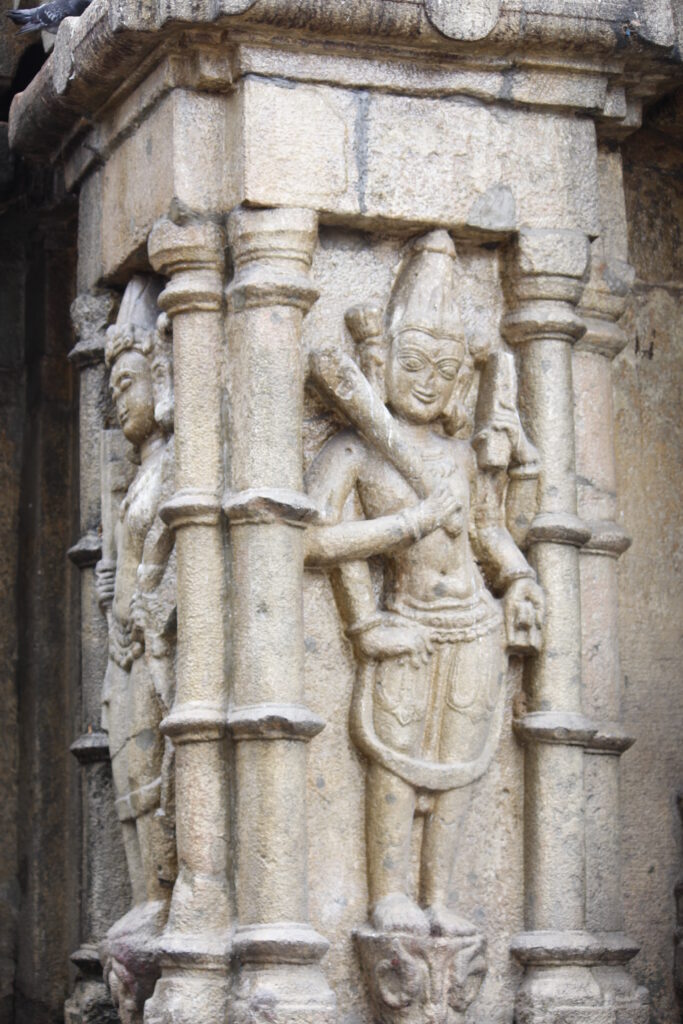
And the tradition go way behind beyond the Mughal court. Indian temple sculpture depicts ornamental waistbands on male and female figures, deities and celestial dancers, from a beaded band on a Yakshi carved between 99 and 1 BCE to the layered, fringed belts on dancing Mohinis around 1120 CE. Designs ranged from simple bands to intricate arrangements of beads and dangling elements. Rajput rulers and nobles, too, wore elaborate waist sashes. Women, too, have worn ornamental waistbands in forms associated with regional jewellery and bridal adornment. But this is a parallel story: the focus here is the fabric sash and its journey into Western menswear.
From colonial India to the black-tie wardrobe
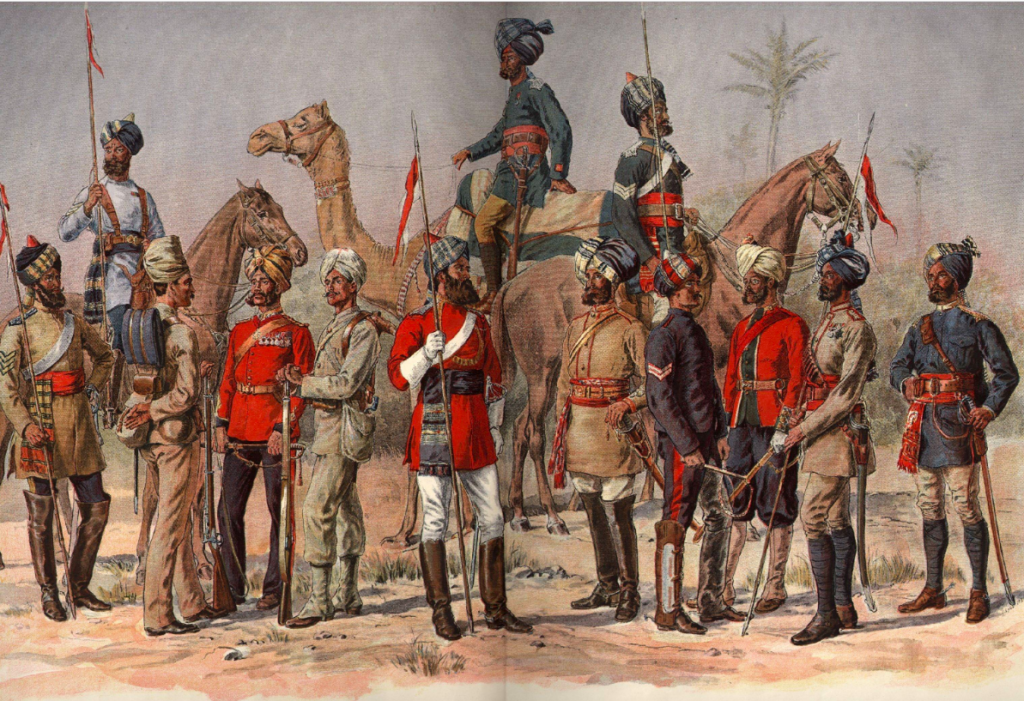
Here is where the story takes a turn towards British menswear. The cummerbund did not emerge from a Savile Row fitting room. Its history is entwined with Britain’s colonial expansion in India, where the East India Company transformed
itself from a trading enterprise into a military and political power following its victory at the Battle of Plassey in 1757. By the mid19th century, British rule extended across vast swathes of the subcontinent, bringing colonial officers into sustained contact with Indian dress and textile traditions.
Among the garments worn across the subcontinent was the patka. Waist sashes also featured in the dress of Indian sepoys serving in the Company’s armies, although styles and regulations varied between regiments. British officers encountered these garments in military and civilian life, and adopted and adapted the sash for their own uniforms and evening dress, reportedly as a lighter alternative to the waistcoat in India’s hot climate. It could cover the trouser waistband while lending a neat finish to the uniform. The name kamarband, meaning a band around the waist, was eventually anglicised to cummerbund. The transition was more than a change of styling. It was part of a wider history of cultural exchange shaped by colonial power, in which Indian garments and textiles travelled into British dress and were adapted to new conventions. By the late nineteenth century, the cummerbund was establishing itself as an alternative to the evening waistcoat, eventually becoming a familiar fixture of black-tie dressing. The precise date of its adoption by British officers remains difficult to establish, but its Indian connection survives in the name itself.
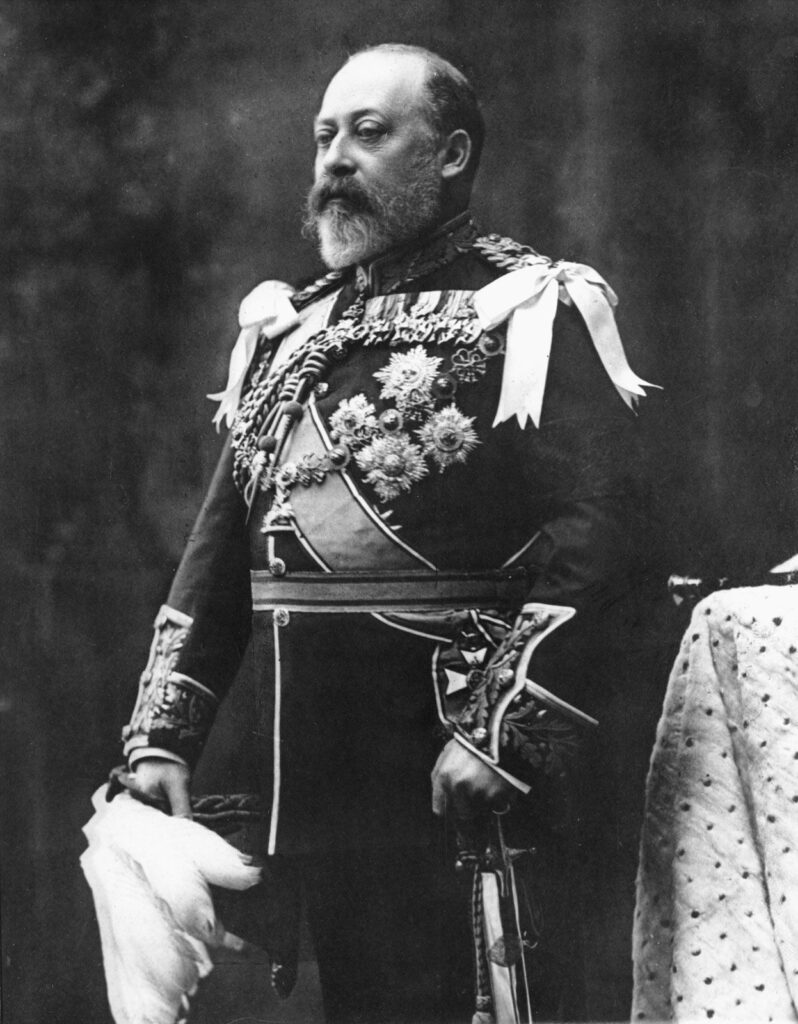
An often-repeated story credits King Edward VII with popularising the cummerbund after his tour of the Indian subcontinent in 1875-76. The prince travelled widely, met Indian rulers and returned with an extraordinary collection of South Asian objects. But the claim that he single-handedly introduced the cummerbund to Britain is harder to establish. It is better understood as a popular fashion-history anecdote than a proven point of origin.
What followed was a fascinating change in status. The sash became part of European eveningwear, eventually taking its place beneath the dinner jacket. Its pleated form helped conceal the trouser waistband and create a clean transition between shirt and trousers. By the twentieth century, it had become a familiar alternative to the evening waistcoat, particularly for warm-weather black-tie dressing.
The irony is hard to miss. A garment with a long history in Indian dress became a Western formalwear staple, while its Indian origins slipped out of the conversation. The name, however, survived, anglicised into cummerbund.
From the tuxedo to the runway
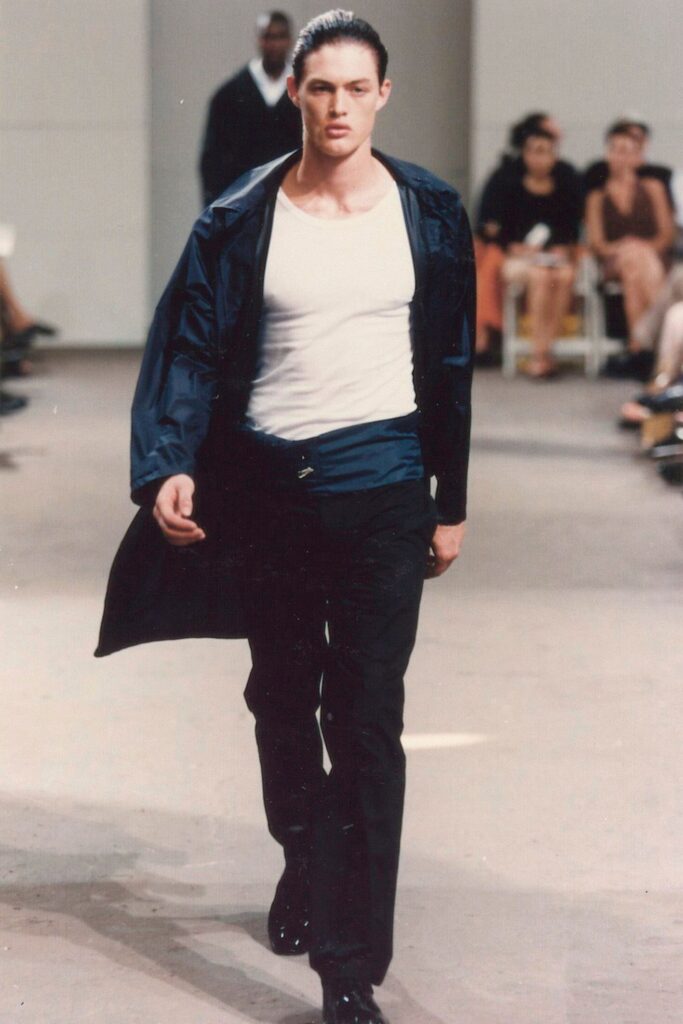

For decades, the cummerbund came with a strict dress code: black satin, a dinner jacket, a bow tie and a formal evening invitation. But fashion has a habit of taking the most predictable item in a wardrobe and giving it an unexpected second act. The first runway rebellions came well before this year’s fuss. Helmut Lang’s SS98 show gave it zips and pockets, Hedi Slimane’s Dior Homme FW06 collection produced cummerbund jeans with an integrated band in contrasting denim, and Prada’s FW08 menswear used it to reshape proportions.


In 2026, the cummerbund has stepped out from beneath the tuxedo jacket and onto the runway in a far more expressive guise. At Valentino, creative director Alessandro Michele reimagined it in ruched, candy-coloured satin, styling it with abbreviated separates and even jeans. Celine, too, brought the waist-cinching accessory into a more relaxed menswear vocabulary, pairing vibrant bands with trousers and knitwear. The appeal is obvious. A cummerbund can define the waist, introduce colour and transform a simple outfit without requiring an entirely new wardrobe. What was once a marker of formality is now an exercise in personal styling.
For grooms, the possibilities are equally compelling. A traditional textile kamarband can lend a sherwani or achkan a sense of occasion, while an embroidered sash can introduce colour and craftsmanship to a contemporary jacket for the sangeet or cocktail night.
The kamarband’s celebrity comeback
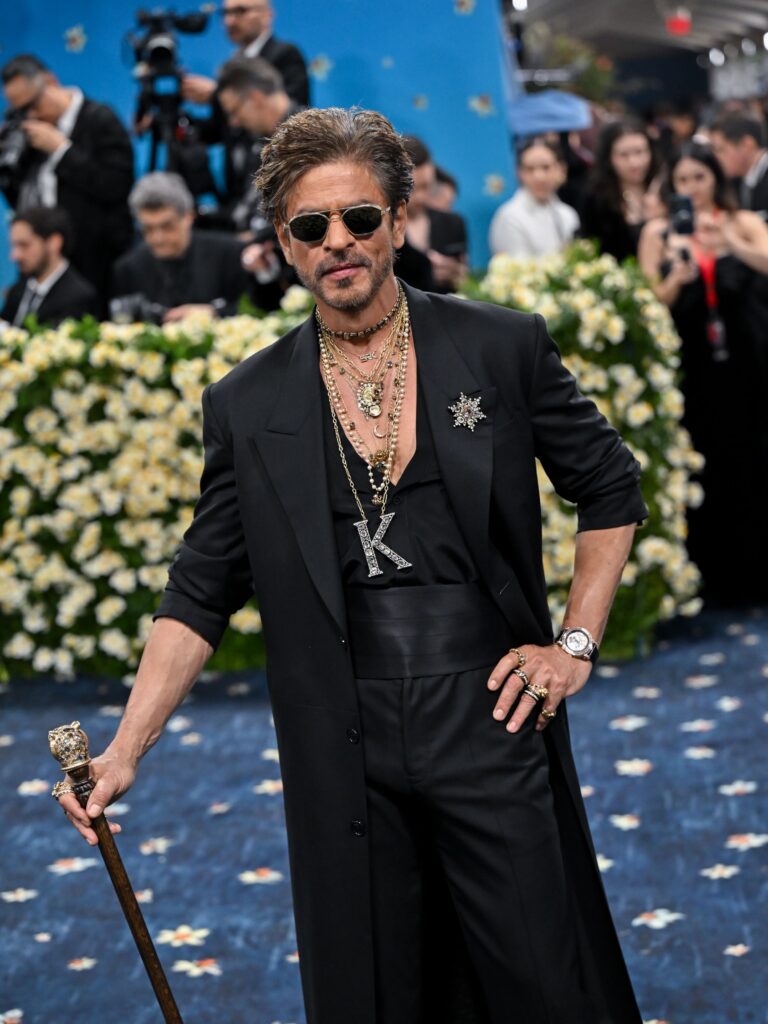
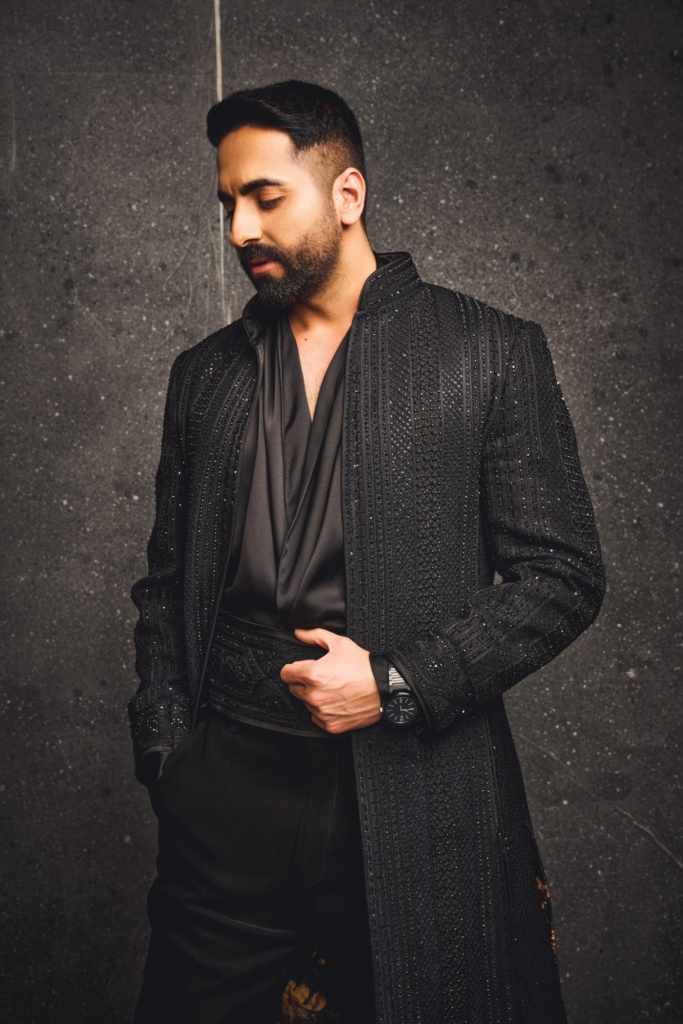
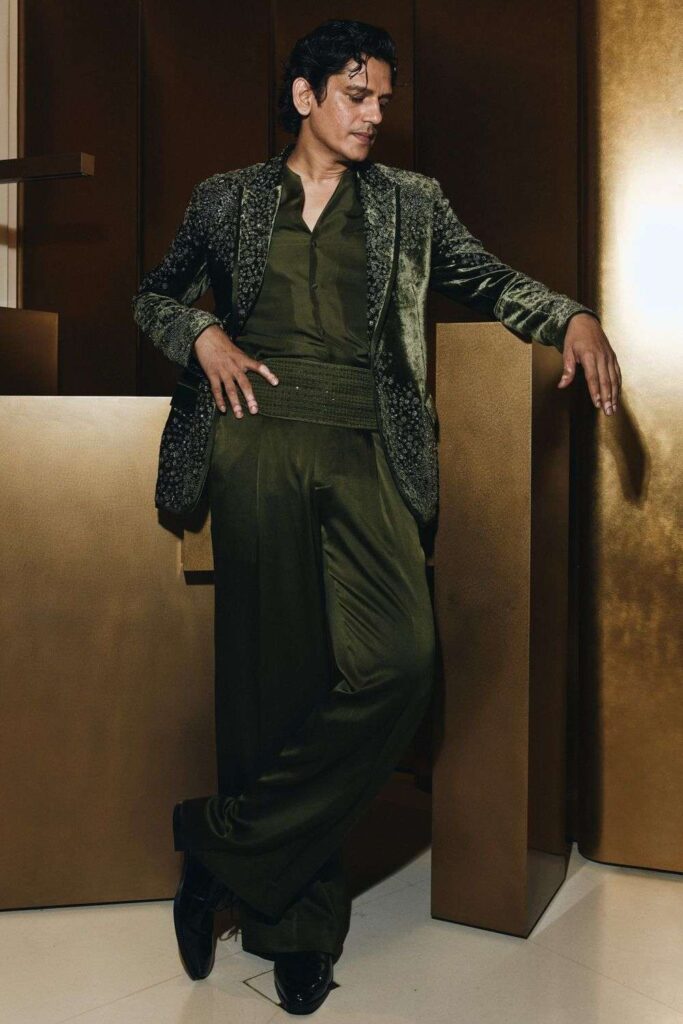
The kamarband has also earned its place on the modern red carpet, worn by celebrities who are giving this historic accessory a decidedly contemporary spin. At the 2025 Met Gala, Shah Rukh Khan made his debut in a custom Sabyasachi
ensemble featuring a pleated satin kamarband, while Nick Jonas, Adrien Brody and Ryan Coogler offered their own interpretations of the cummerbund. Closer to home, Ayushmann Khurrana paired a black, embroidered open jacket by Tarun Tahiliani with a matching kamarband, demonstrating how seamlessly it can complement modern Indian occasionwear. Whether worn with a tuxedo or a sherwani, the accessory has moved beyond its strictly formal origins to become a statement of personal style.
Giving the original its due
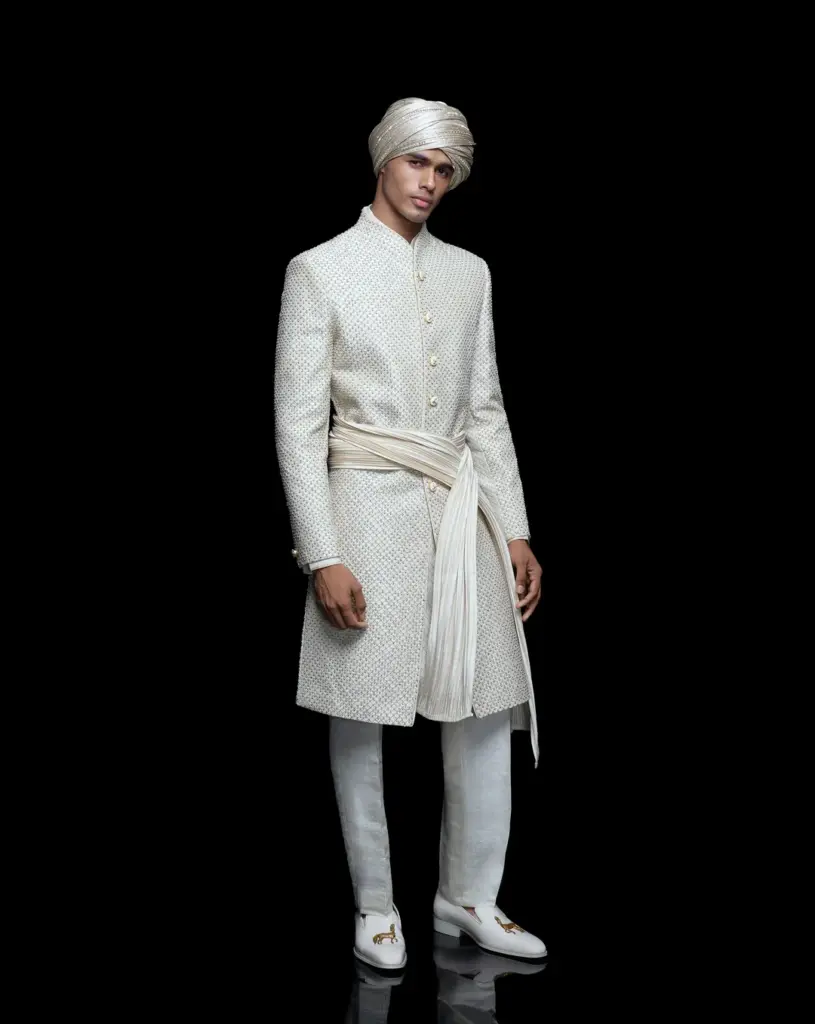
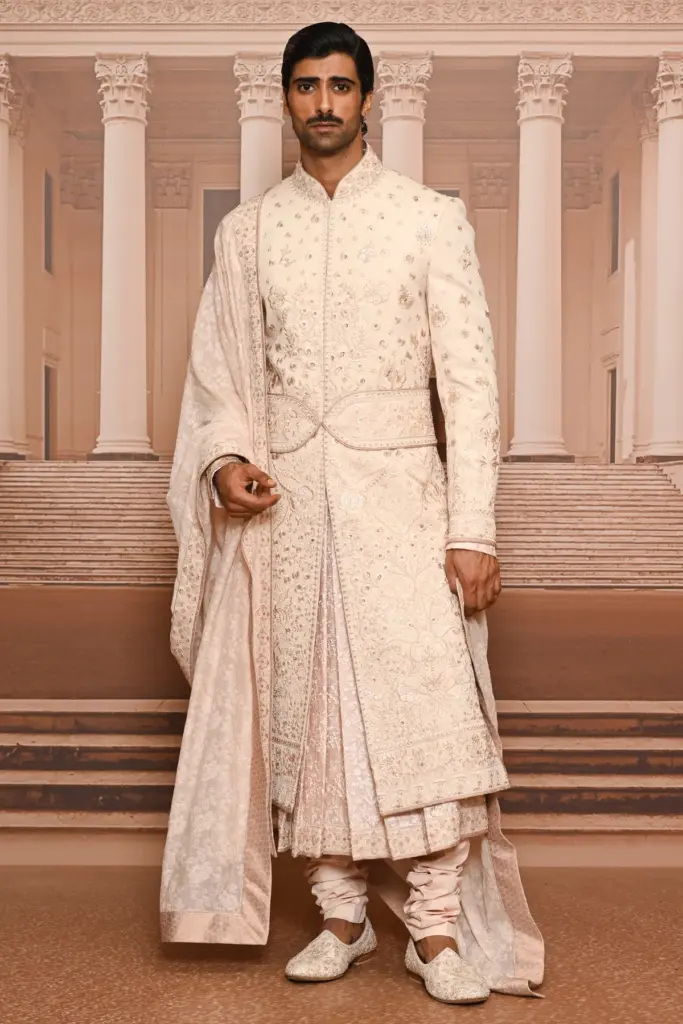
The kamarband’s journey is not simply a story of an Indian accessory becoming fashionable in the West. It is a reminder that the history of dress has always been shaped by cultural exchange, even when the credit has not travelled quite as far as the garment. From Mughal court sashes to the modern dinner jacket, the waist wrap has served practical, decorative and symbolic purposes. Its form has changed; its associations have shifted; its name has crossed linguistic borders. Yet its ability to transform a silhouette has endured.
So the next time a cummerbund appears beneath a tuxedo at a black-tie wedding, spare a thought for the Indian sash that preceded it. The West may have given it a dress code, but it did not give it a history. That history was already woven into silk, embroidered into cotton and worn at royal courts long before the modern formal invitation arrived.