

















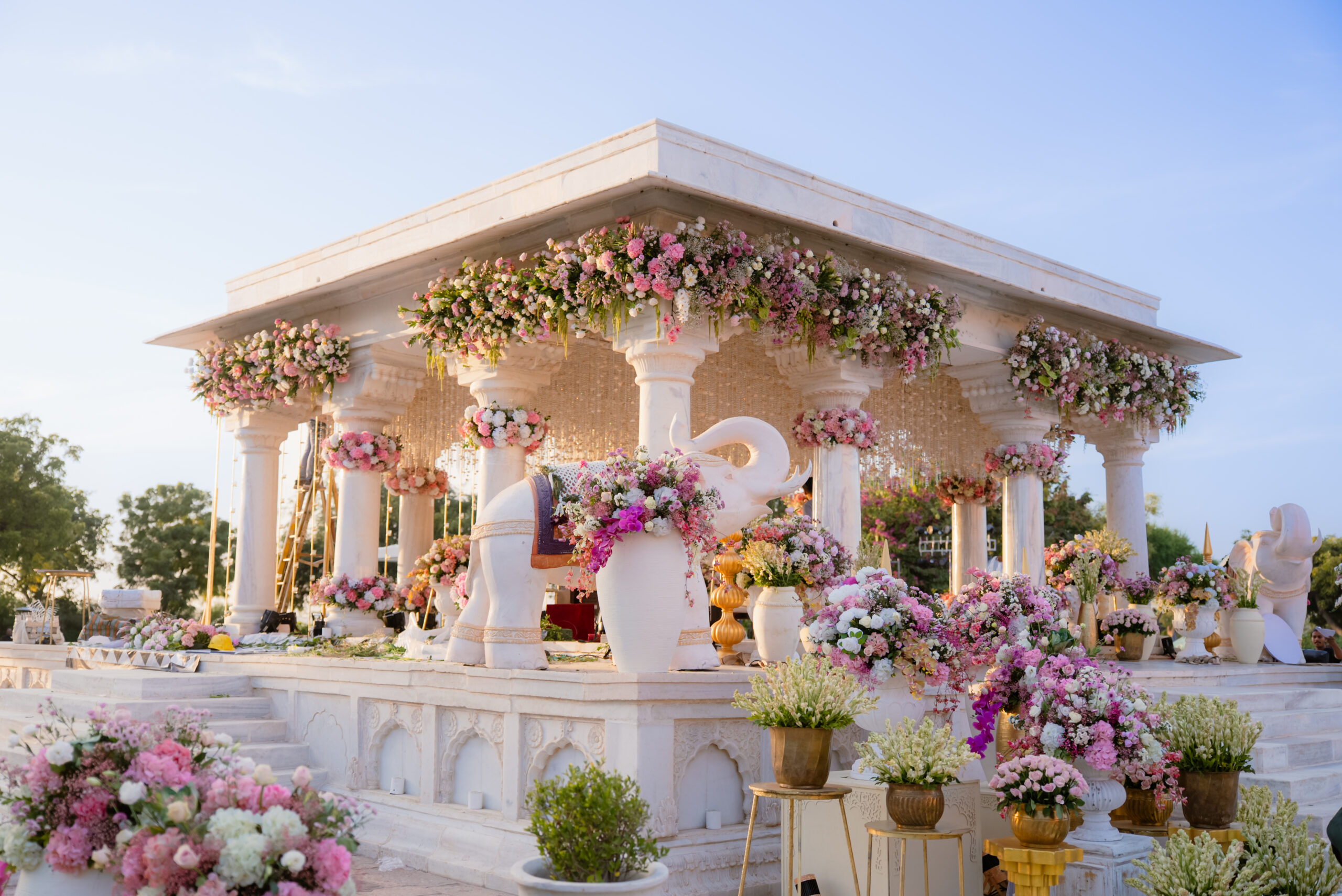
There was a time when wedding décor was judged by the scale of the floral installations, the height of the stage, or the number of chandeliers suspended from a ceiling. In 2026, the language of wedding design has evolved. Couples are moving away from purely visual spectacle and towards experiences that feel immersive, intentional and Instagrammable. Décor today is expected to do far more than provide a backdrop for photographs. It must tell a story, evoke emotion and create memories. This shift has transformed wedding design into one of the most important pillars of a celebration. Every element, from the fragrance floating through a soirée to the texture of a tablescape or the way guests move through a venue, contributes to the larger narrative. Few companies understand this evolution better than House of Vivaah. Founded by Rachana Lucknowala, the Mumbai-based décor, design and production house has spent over two decades creating weddings that balance creativity with flawless execution.
Having expanded into destination weddings between 2005 and 2010, a turning point that opened the company to larger creative possibilities, House of Vivaah has built a reputation for refined elegance, impeccable production and celebrations that feel distinctly personal rather than trend-driven. “We focus on clean lines, balanced compositions and impeccable finishing,” says Rachana. “Most importantly, we design celebrations that feel personal to the couple rather than template-driven.”
As weddings become increasingly experience-led, Rachana shares the design principles, trends and planning lessons shaping celebrations in 2026.
1. Finalise The Venue And Then Décor
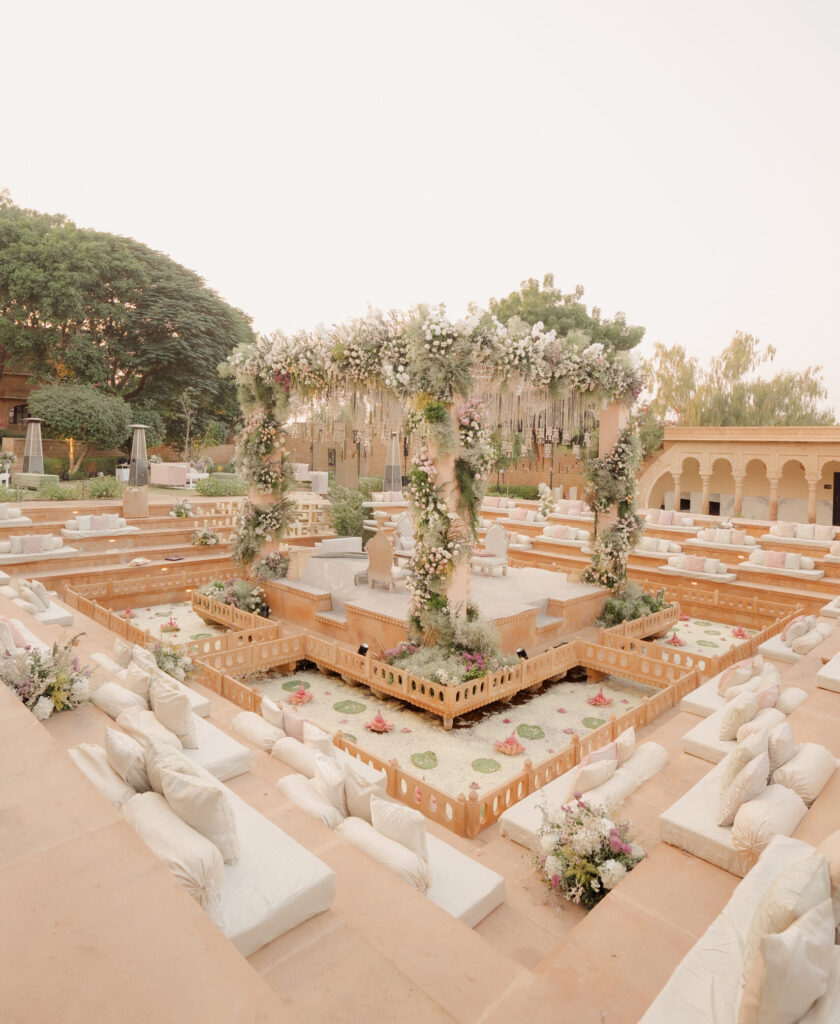
One of the most common mistakes couples make is planning décor in isolation. “A beautiful concept may work perfectly on a mood board but fail to translate in a real space. Venue architecture, guest flow, lighting conditions and function schedules all influence design decisions. Décor works best when it is designed in harmony with the space,” she says. Her advice is simple: finalise the venue first, understand how guests will move through the celebration, and then begin designing the visual experience. “Good décor doesn’t compete with a venue. It elevates it.”
2. Think Beyond Décor & Design An Experience
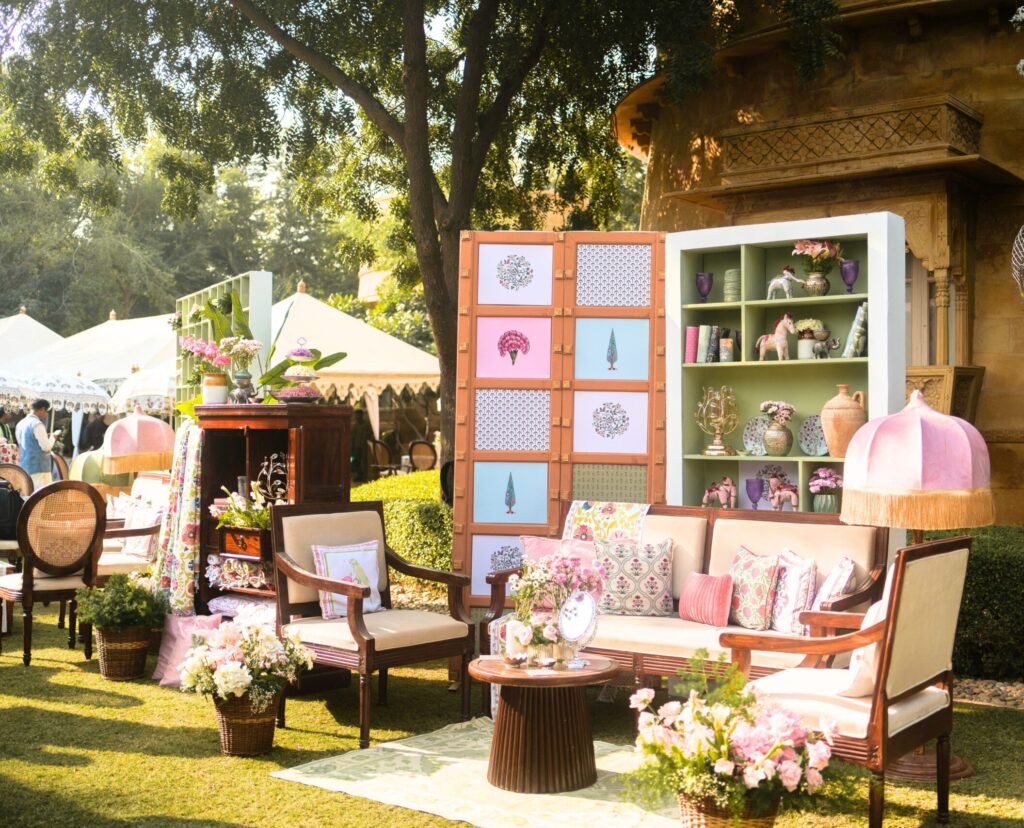
The biggest wedding trend of 2026 isn’t a colour palette or floral style. It’s experience. Couples are increasingly prioritising how guests feel rather than simply what guests see. This means layering elements such as lighting, music, textures, scents and spatial design to create a multi-sensory environment. “The focus is shifting from décor-driven weddings to experience-driven weddings,” explains Rachana. A stunning mandap may still command attention, but equally important is the emotional atmosphere surrounding it. “Couples want their celebrations to feel immersive and personal for their guests. Instead of simply beautiful backdrops, we are seeing multi-sensory environments—lighting, textures, fragrances, and music—all working together to create a memorable atmosphere.”
3. Let Nature Lead The Design
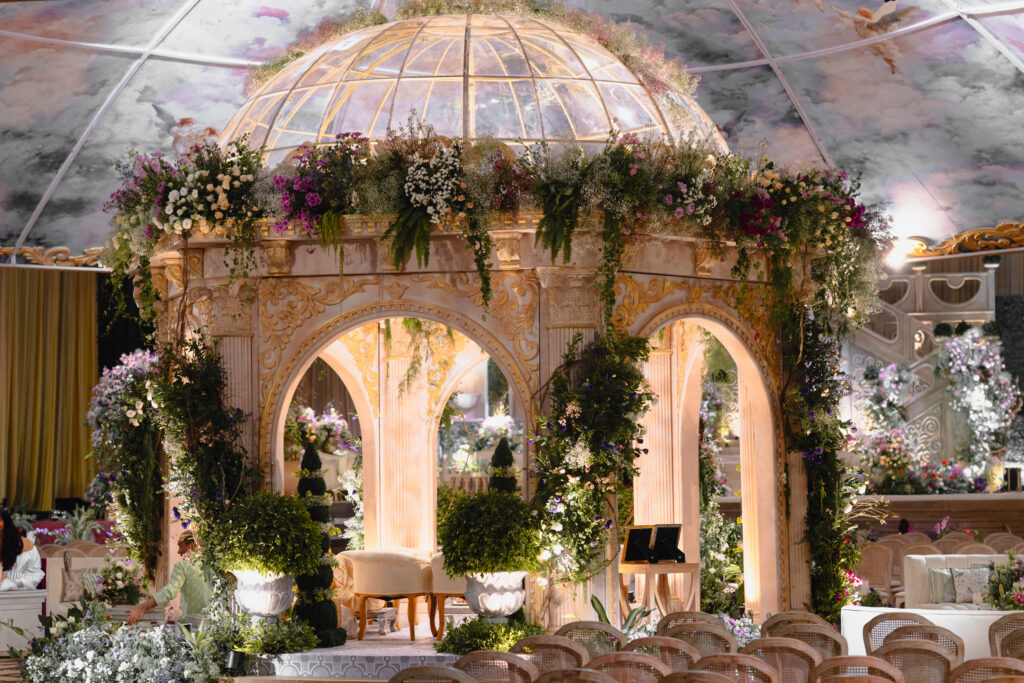
One of the strongest aesthetic movements emerging this year is a return to nature. “Outdoor ceremonies, foliage-rich mandaps, organic floral arrangements and earthy colour palettes are becoming increasingly desirable. Rather than transforming a destination beyond recognition, couples are embracing the beauty already present in their surroundings.” Nature-inspired weddings also align with another growing priority of sustainability. “Thoughtfully sourced materials, reusable structures and environmentally conscious design choices are increasingly becoming part of luxury wedding planning. Luxury today is as much about intention as it is about abundance.”
4. Your Story Is The Real Theme
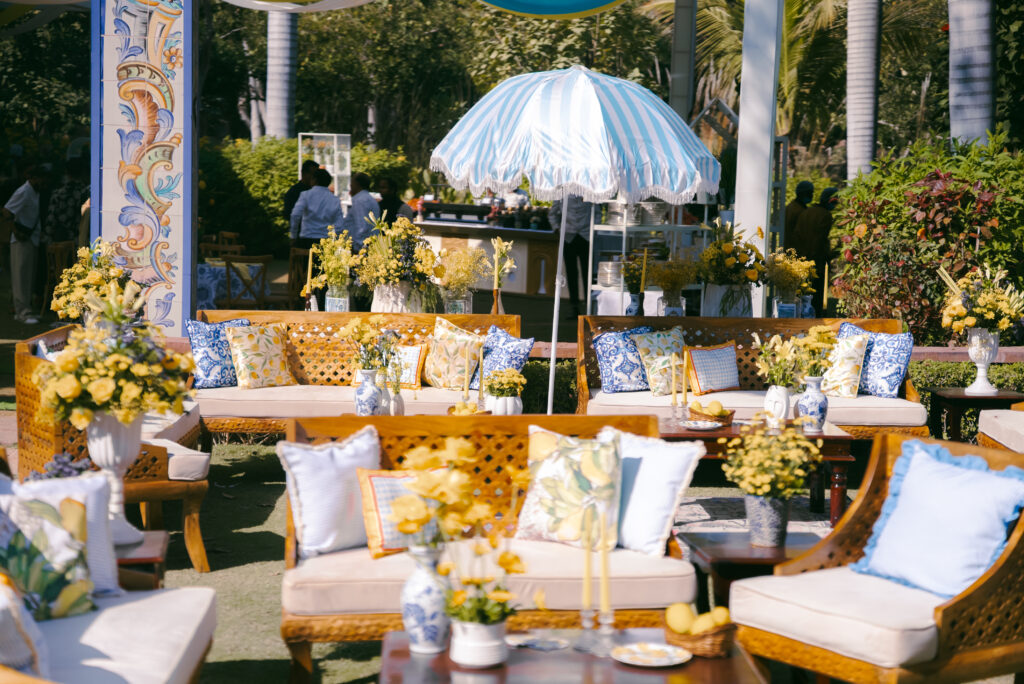
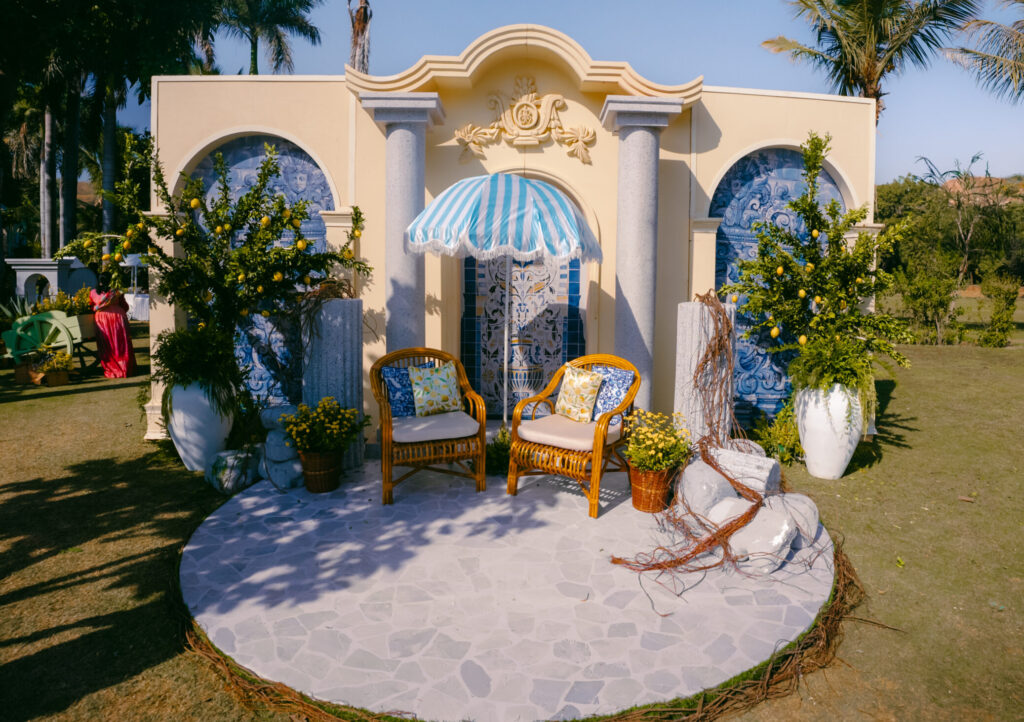
Pinterest boards can inspire a wedding, but they should never define it. According to Rachana, “I strongly believe that a wedding celebration is an extension of the personalities and hospitality of both families. To truly create this magic, it is essential for us to understand the bride and groom—their tastes, colour preferences, hobbies, travel experiences, personality traits, and family backgrounds. These insights become the foundation for every creative decision. A wedding celebration is an extension of the personalities and hospitality of both families,” she says. The most memorable weddings often rely on subtle storytelling rather than overt themes. A colour palette inspired by a meaningful destination, a welcome dinner reflecting a couple’s favourite holiday, or a cultural reference woven into a ceremony can feel far more impactful than copying a celebrity wedding aesthetic.
5. Tradition Is Returning With A Modern Spin
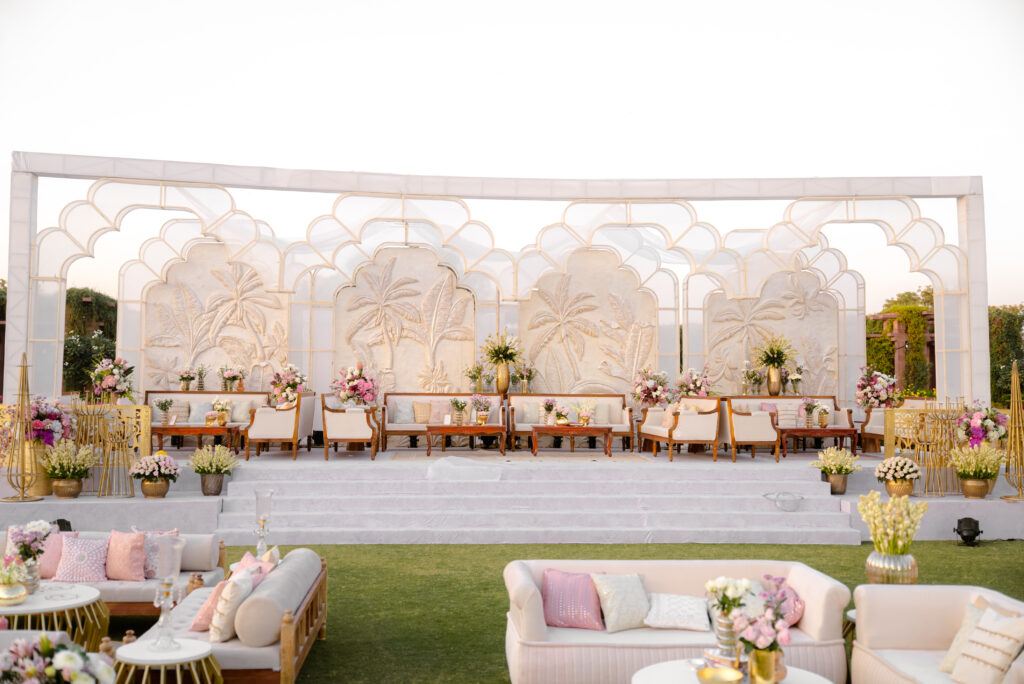
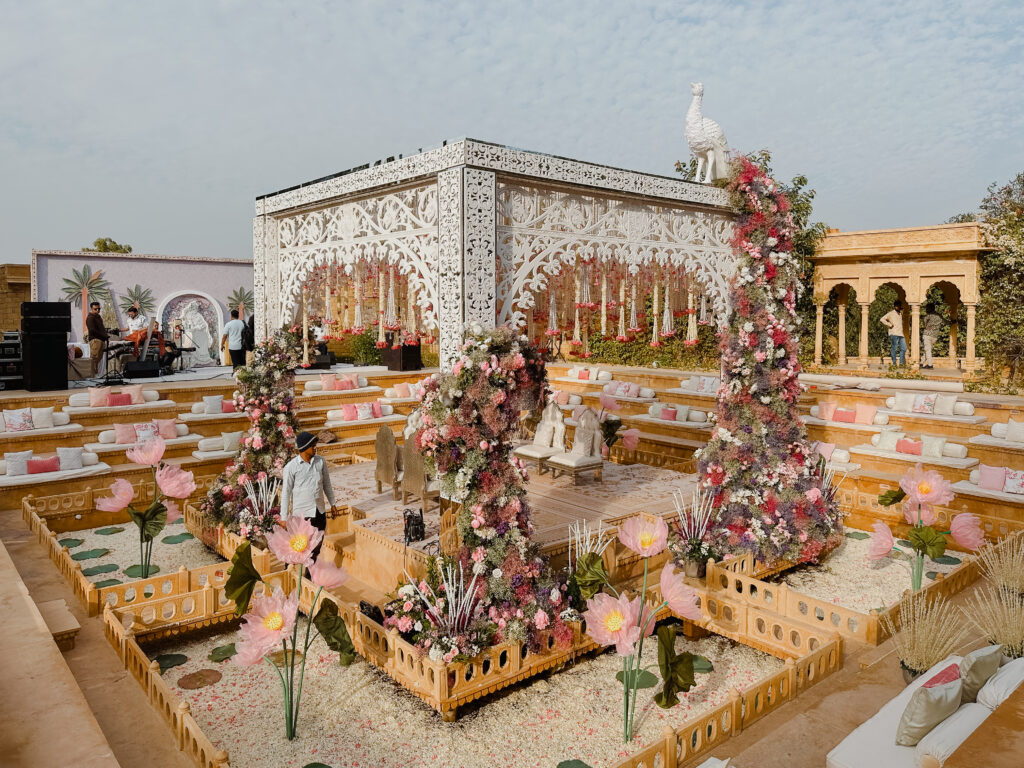
The resurgence of heritage-inspired design continues to gain momentum. “Old is gold. Elements from the past are finding their way back into weddings, albeit through a modern lens. Rather than recreating the past, designers are reinterpreting it. Think temple motifs, heirloom colour palettes, regional crafts and traditional patterns.” This renewed appreciation for culture allows weddings to feel rooted and relevant to Gen Z couples.
6. Destination Weddings Need Local Soul
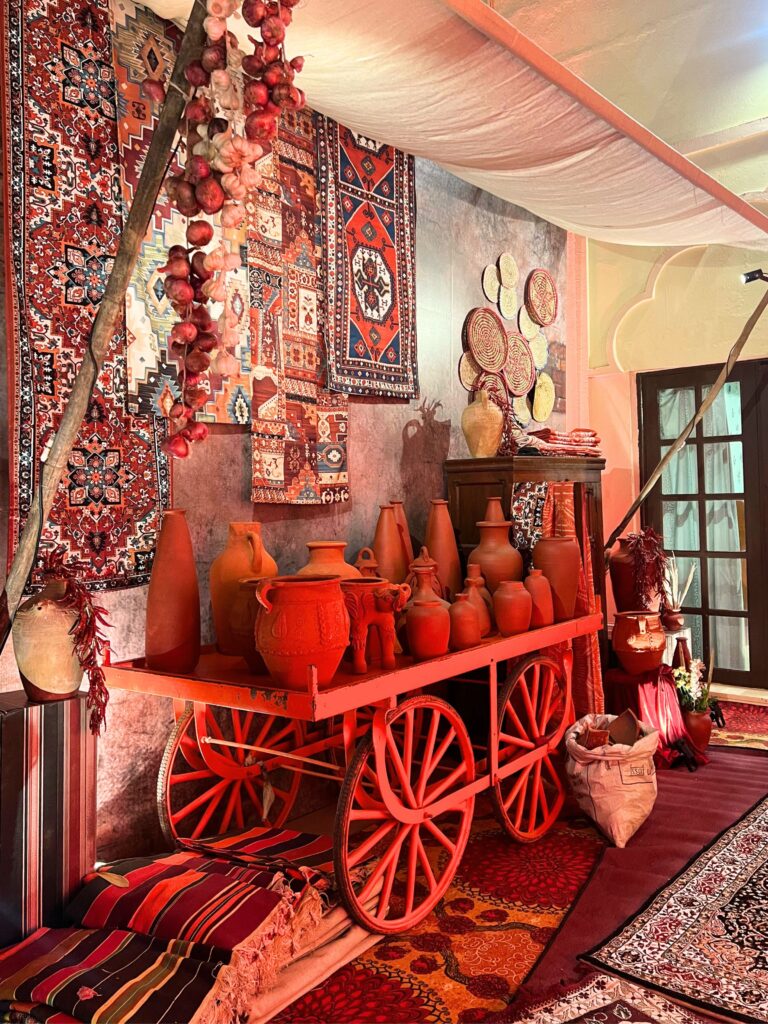
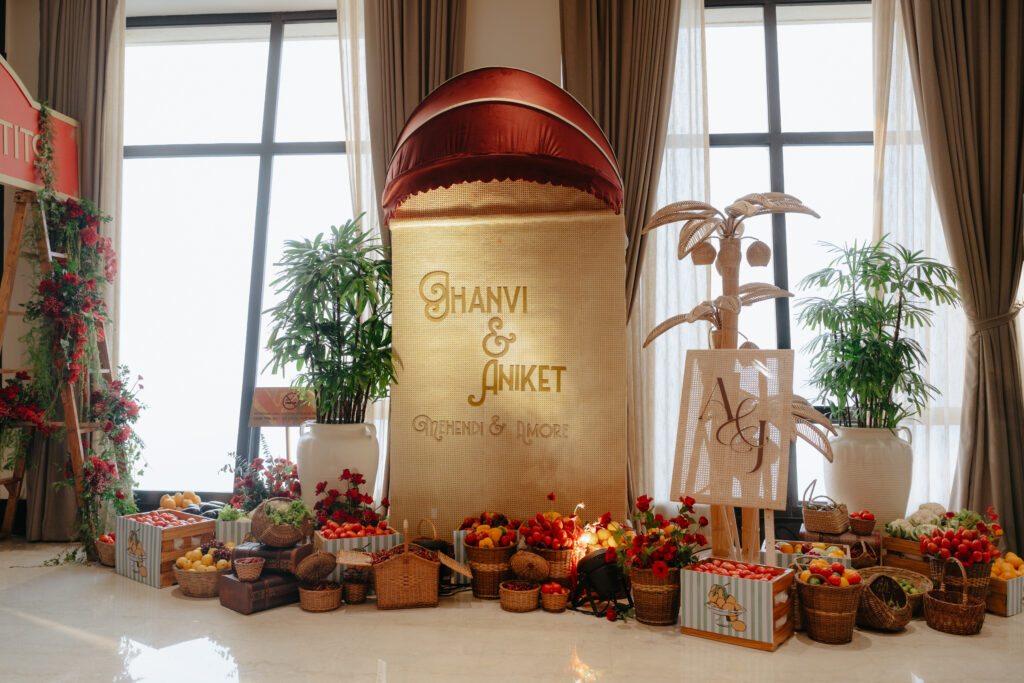
As destination weddings continue to dominate, she encourages couples to incorporate local flavours. “I always suggest including at least one function with local flavours to highlight the destination’s choice, whether through cuisine, entertainment, design elements or cultural references. This not only curates a memorable guest experience but also helps create lasting and meaningful memories for everyone attending.” It is also why destination weddings require substantial lead time. House of Vivaah recommends beginning planning 7-8 months in advance for local destinations and around 10 months ahead for international celebrations.
7. Budget Smartly
When it comes to wedding budgets, prioritisation is everything. Rachana recommends approaching planning in a strategic order: venue first, followed by food and beverage, décor and then entertainment. Interestingly, not every venue requires elaborate décor. Sometimes a spectacular location needs very little enhancement, while a relatively simple venue can be transformed entirely through creative production. The key is understanding where design will create the greatest impact rather than spreading resources too thinly. A well-planned wedding often feels far more luxurious than an expensive one.
For more information:
House of Vivaah
Instagram: @HouseOfVivaah