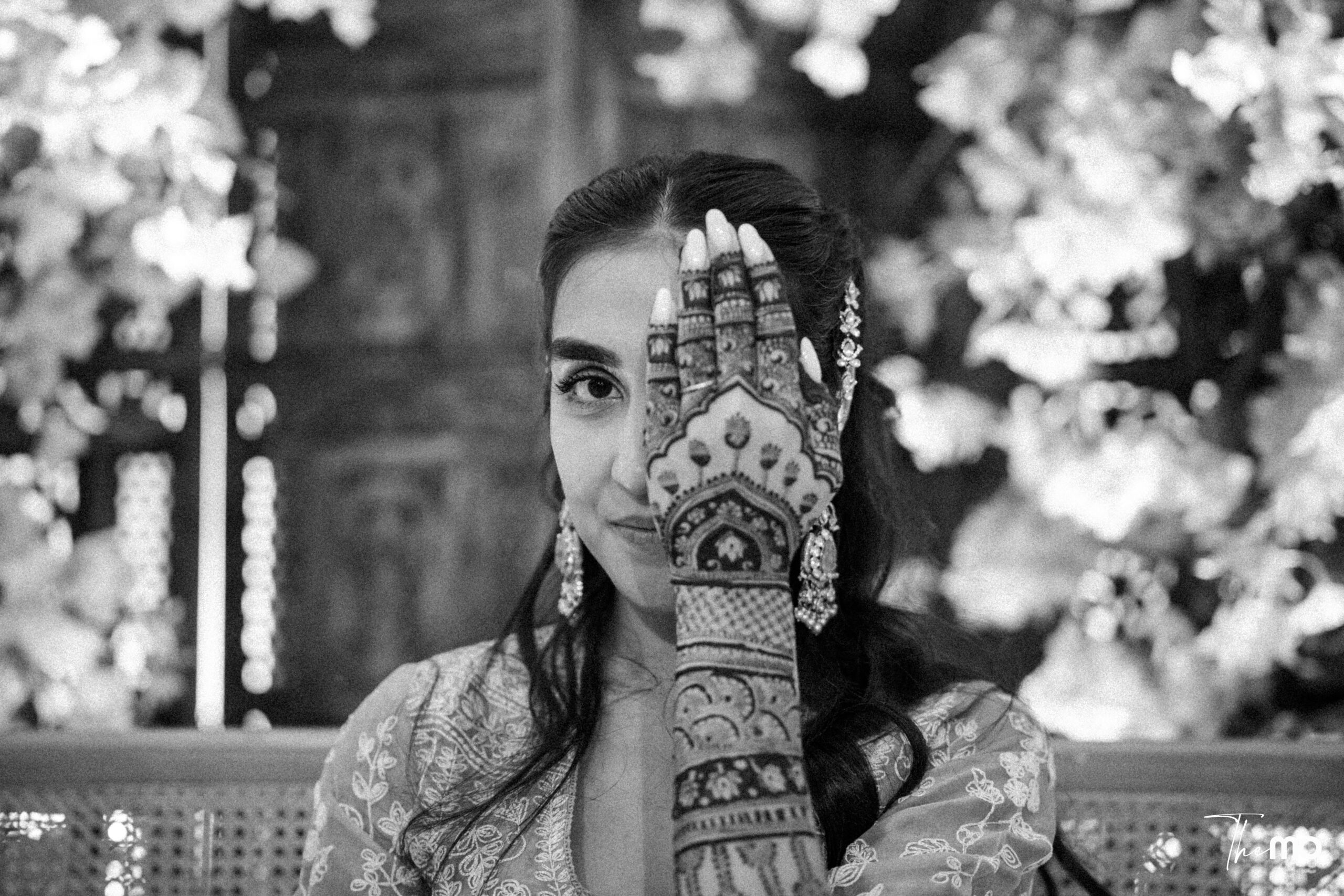
Brides, there’s one thing nobody will tell you… one of the most important parts of your bridal beauty prep involves sitting perfectly still for hours, arms outstretched like an extremely elegant scarecrow as someone draws a peacock on your palm. Bridal mehndi is not a quick beauty appointment you can squeeze in between your hair trial and a last-minute fitting. This is a commitment and a labour of love. Between intricate florals, delicate jaali work, hidden initials, elaborate birds and perhaps a miniature portrait of your soon-to-be spouse, there is a fair share of artistry involved. And while you might be tempted to tell your mehndi artist that you’re happy to keep things low-key, we all know how that conversation tends to go. Before you know it, your palms, arms and feet are getting the full royal treatment. So, how many hours should you actually set aside? We break it down for you.
What determines how long your mehndi takes?
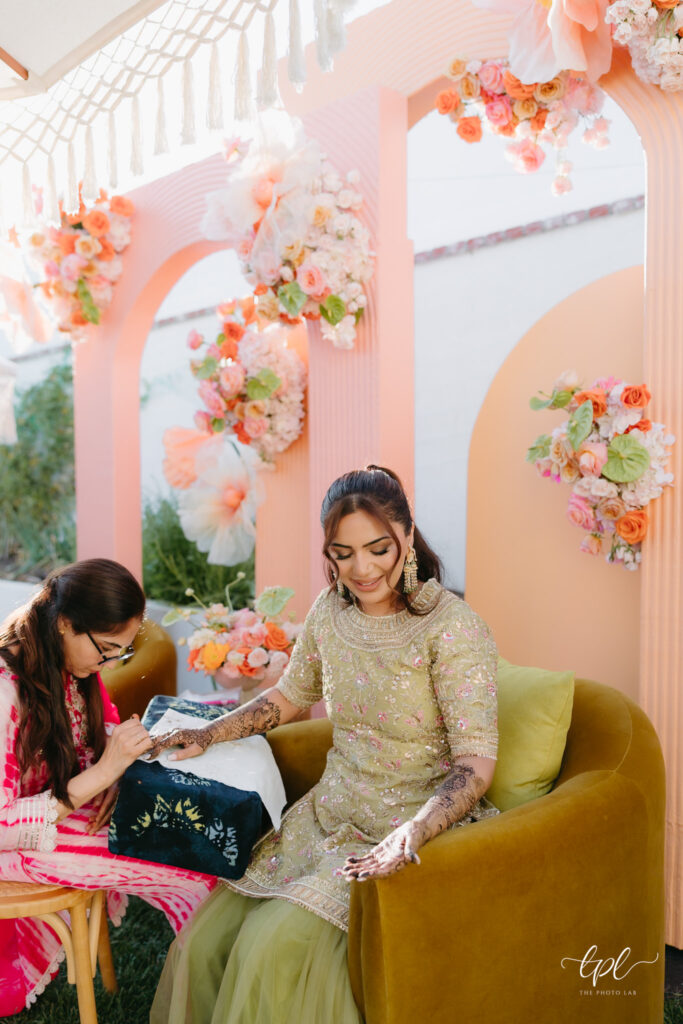
There isn’t a universal stopwatch for bridal mehndi. The time depends on the coverage, intricacy, design style and the artist’s speed. A design featuring larger floral motifs, open spaces and simpler patterns will naturally take less time than one packed with fine lines, paisleys, mandalas, meshwork and miniature details. Personalised elements can add to the timeline too.
Artist Kavita of KV Mendhi, known for her detailed and personalised bridal work, explains that some of the most time-consuming designs are not necessarily the ones that look the busiest. “Designs that typically take the longest are the ones that look simple yet their detailing is so fine it has to be right. Bespoke drawings of brides and grooms, their milestone moments like proposal scene, pets, city skylines, fine line work and grid (jaali) work all play a part in piecing together the couple’s story and why it is so important to plan those details in advance. Not only does this help streamline the process, but it also manages expectations for both the bride (or groom) and the henna artist,” she shares.
The number of artists working on your design also makes a difference. Having two experienced artists work simultaneously can significantly reduce the appointment time, potentially bringing it close to half, depending on the coverage and design. However, certain sections may need the principal artist’s attention, particularly when symmetry, matching motifs or detailed portraits are involved. Discuss the team size and estimated duration before booking, and share reference images rather than relying on a vague description of how much mehndi you want.
The time breakdown: What can you expect?
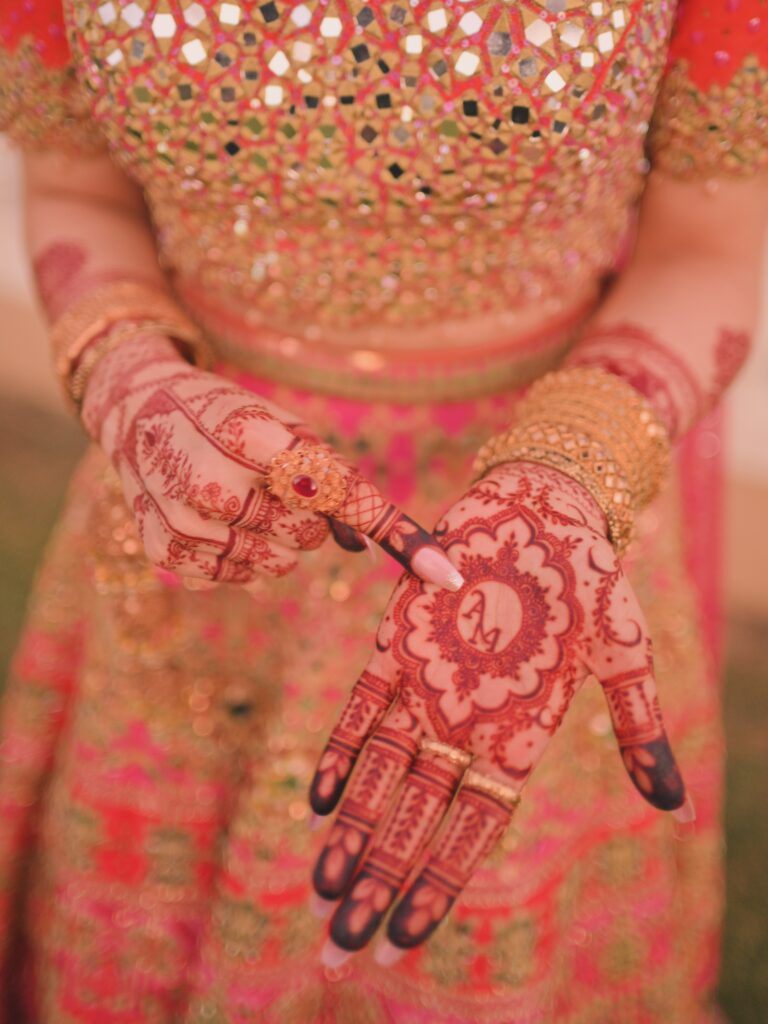
Palms and fingers: If you’re opting for mehndi on just your palms and fingers, set aside approximately 30 minutes to an hour for both hands, depending on the design. “Palms and fingers generally take 30 minutes to one hour,” says Kavita. A minimal design with a central motif, a few florals and decorated fingertips will be at the quicker end. Full-coverage palms with intricate patterns, fine detailing and filled-in fingers can take longer.
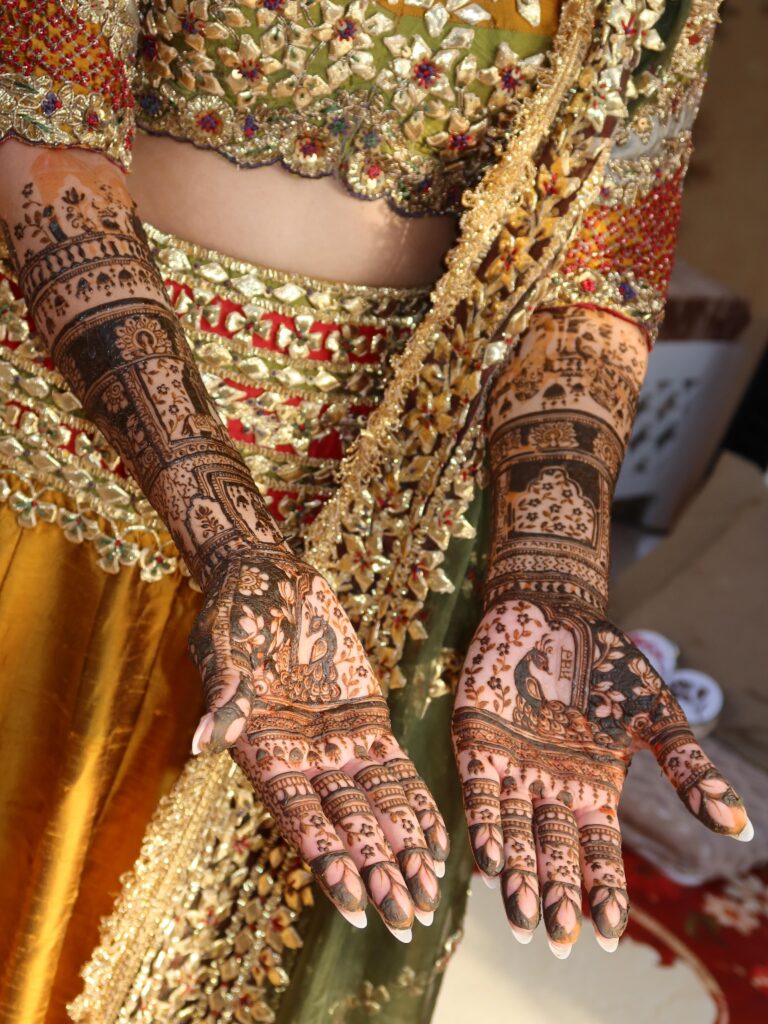
Forearms and elbows: For designs extending from the wrists to the elbows, the duration depends on how much coverage and detail you want. A standard mid-arm design, which runs between the wrist and elbow, is one of the most popular choices among brides. “This usually takes 4-5 hours,” says Kavita. While that may sound like a long appointment, remember that this is where the artwork can become particularly elaborate, with paisleys, peacocks, architectural elements, jaali patterns and layered filler motifs. Portraits or detailed storytelling elements can extend the timeline further.
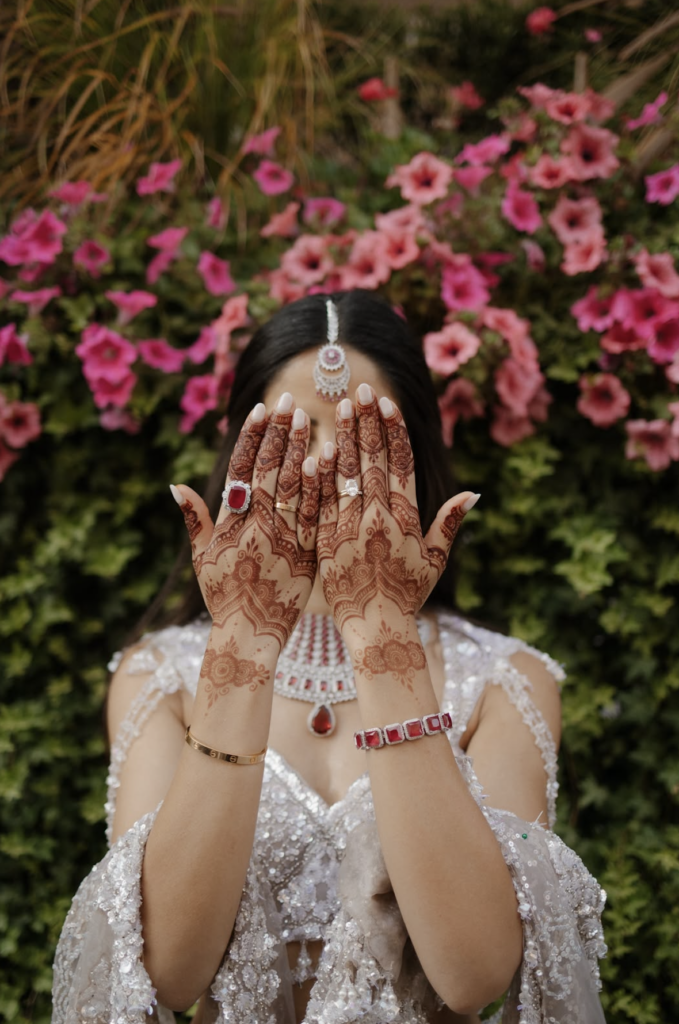
Back of the hands and wrists: The back of the hands can take another 30 minutes to an hour for both hands. Designs that extend from the fingertips to the wrists, with delicate bracelets, mandalas, florals and symmetrical patterns, require precision. The wrist-to-forearm section, in particular, needs additional attention. “Wrist to forearm is the trickiest section of application as with seamless wraps you are having to move your clients’ arms or work on a canvas that isn’t necessarily flat. This can take one to 1.5 hours,” Kavita explains. If you’re adding personalised motifs or elaborate wrist cuffs, factor in additional time.
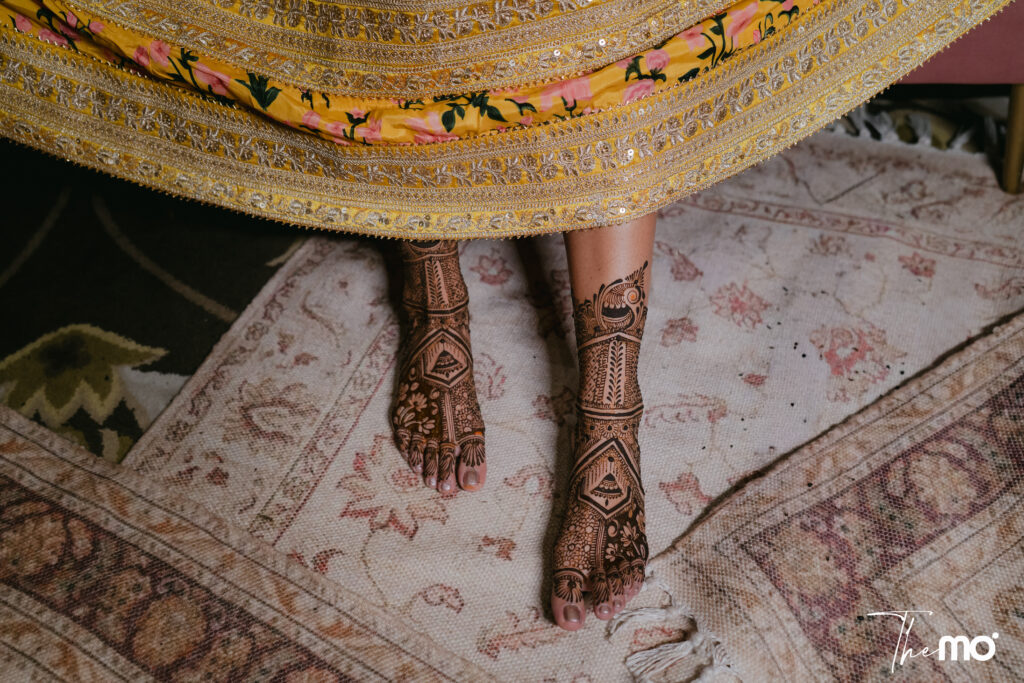
Feet and ankles: “A simpler design covering the toes, top of the feet and ankles can take anything from 15 minutes to an hour, depending on the design,” Kavita shares. More detailed bridal patterns with mandalas, floral trails, dense coverage and intricate toe detailing will need more time.
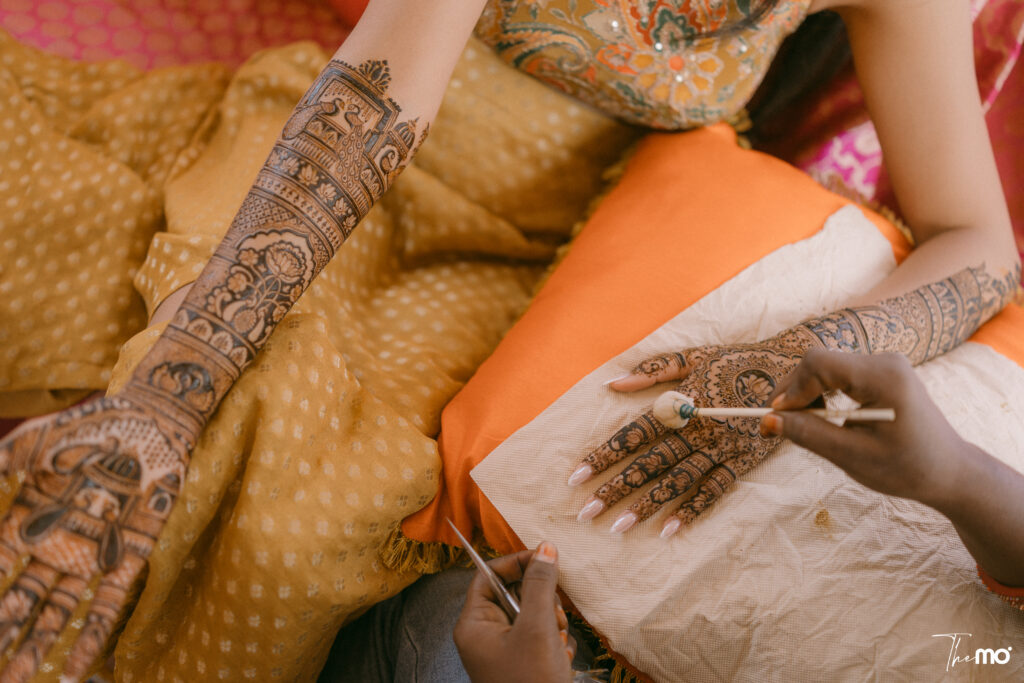
Full bridal coverage: If you’re going all out with elaborate designs across both hands and feet, extending up to the elbows and knees, be prepared to dedicate a significant chunk of your day to the appointment. “For particularly elaborate and personalised designs, brides should expect 6 hours or more. Really personalised and intricate designs vary, as you can imagine these are very specific requests and have to be carefully curated for every client. On average, you’d be expecting application to take around 7+ hours.”
Tips to make your mehndi appointment easier
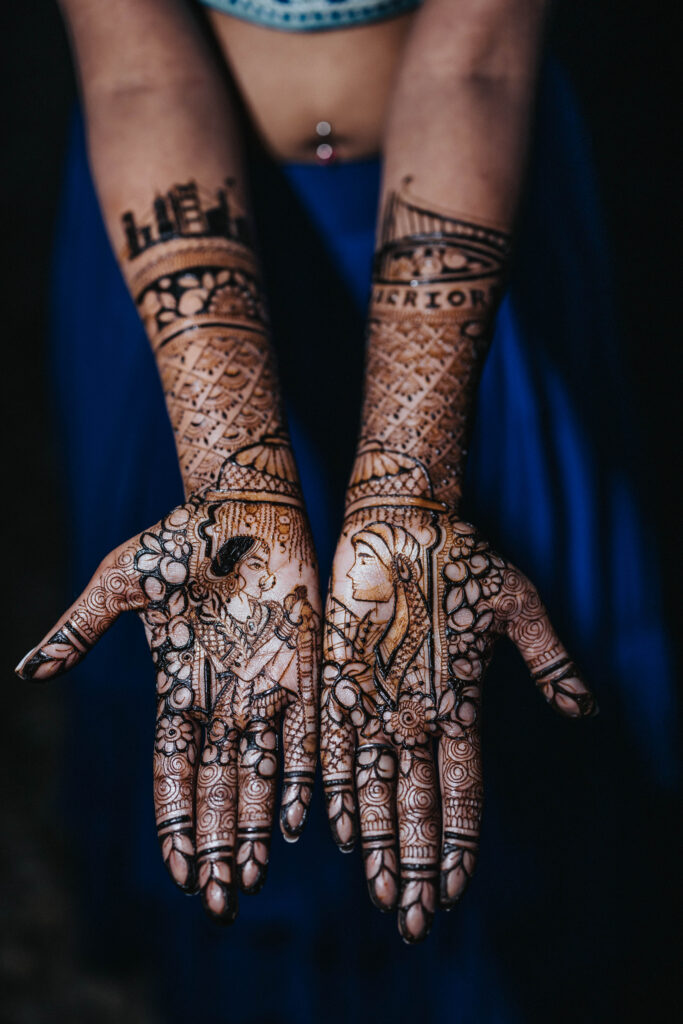
A little preparation goes a long way. Start by finalising your design references before the appointment. Discuss what matters most to you, whether that’s a particular motif, symmetry, a portrait or maximum coverage, so your artist can allocate time accordingly. Kavita’s advice about planning personalised details in advance is particularly useful. Rather than adding new requests midway through the session, have your must-have elements ready before the first cone touches your skin.
Next, make yourself comfortable. Wear loose clothing that allows easy access to your arms and legs, keep your phone, water and snacks within reach, and use the loo before the application begins. You will be sitting for a considerable stretch, so schedule short breaks between sections rather than interrupting the artist mid-design. Avoid moving freshly applied mehndi, as even a small accidental brush against clothing or furniture can smudge hours of work. If you need a break, let your artist know in advance so they can plan the sequence.
Also, don’t squeeze your mehndi appointment into an already packed wedding schedule. Keep the day relatively free, especially if you’re opting for full bridal coverage. Complete manicures, pedicures, waxing and other beauty treatments beforehand, and avoid applying lotions or oils to your skin just before the session. Ask your artist about the ingredients in the henna paste and request a patch test if you haven’t used it before. Follow your artist’s instructions on drying, removal and aftercare to help develop a rich stain.