


















In recent weeks, Sikh couples across India, the UK and the global diaspora have found themselves caught in a swirl of confusion, emotion and in some cases, outrage. At the centre of it is a reaffirmed mandate from the Akal Takht, the highest temporal authority of Sikhi, clearly stating that the Anand Karaj may only be conducted inside a Gurdwara, and not at any commercial or destination venues.
The clarification, issued via the Shiromani Gurdwara Parbandhak Committee (SGPC), has reignited long-standing debates around luxury weddings, inter-faith ceremonies, cultural versus spiritual practice and the commercialisation of faith. While the directive itself is not new, its renewed enforcement has triggered questions among modern Sikh couples who grew up seeing beachfront Anand Karaj ceremonies marketed as aspirational and acceptable.
To cut through speculation and misinformation, Khush Wedding spoke directly to Jasveer Singh Gill, Chief Executive Press Officer, Sikh Press Association, to understand exactly what has been mandated, why it matters now and how couples can move forward with clarity and respect. Below is a practical, no-frills FAQ drawn from that conversation.
What exactly has been mandated by the Akal Takht regarding Anand Karaj ceremonies?
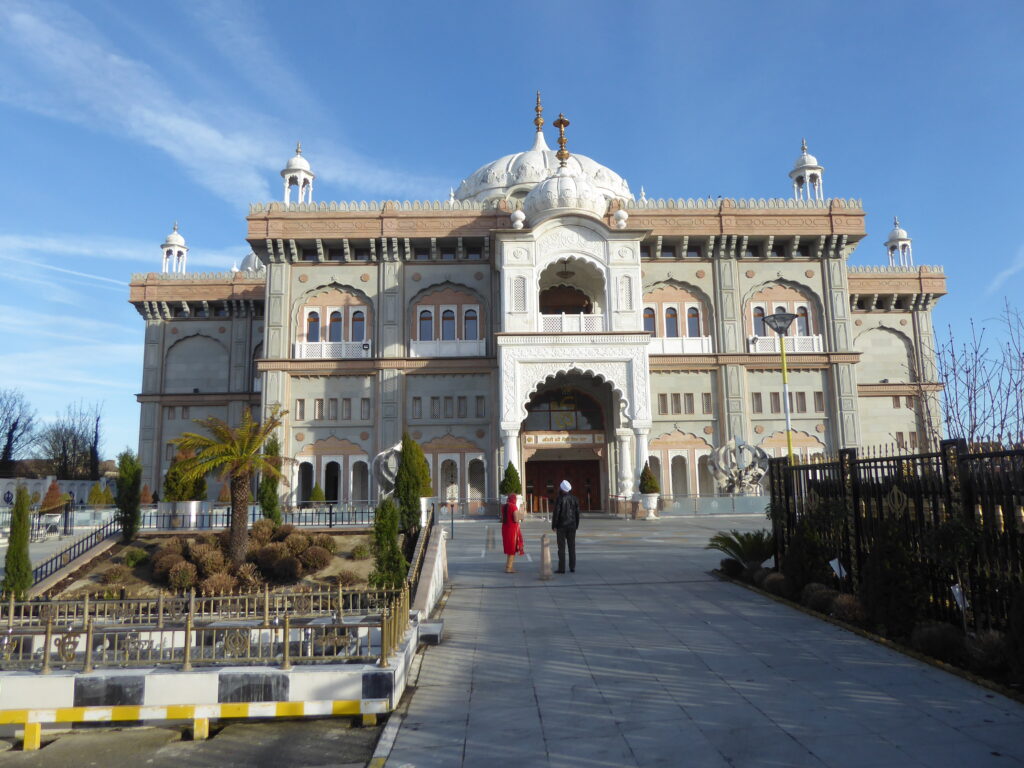
The mandate is clear and unequivocal. The Anand Karaj must only be conducted inside a Gurdwara. The ceremony is banned at commercial venues such as farmhouses, resorts, wedding palaces, manor houses, private estates or destination settings worldwide.
This is not advisory. It is a formal directive reaffirming Sikh Rehat Maryada (code of conduct), which had already prohibited destination weddings and inter-faith Anand Karaj ceremonies. The recent update exists because violations have increased, particularly through the marketing of “luxury” Anand Karaj experiences.
Why has this issue resurfaced so strongly now?
Over the last two years, Sikh groups in the UK and Canada have protested against vendors and rogue organisations monetising the Anand Karaj. Many families were unaware they were breaking religious protocol. The renewed mandate is an attempt to protect the sanctity of the ceremony, stop exploitation and reaffirm that the Anand Karaj is not a cultural backdrop or aesthetic ritual, but a deeply spiritual commitment centred on Guru Granth Sahib Ji.
Does the Akal Takht have legal authority over British Gurdwaras?
No, not in a legal sense. British Gurdwaras are independent charities regulated by the UK Charities Commission. However, within Sikhi, authority is not purely legal. The Akal Takht functions as the supreme guiding body that safeguards the integrity of Sikh practice globally. While it cannot legally compel compliance abroad, its moral, spiritual and communal authority is unmatched within the Sikh faith.
If there’s no legal power, can this realistically be enforced in the UK?
Enforcement depends on integrity. Gurdwara management committees, couples, families and the wider community play key roles. The Asian wedding industry in the UK is worth billions. Where money is involved, there will always be attempts to bypass rules. That said, community protector groups have already intervened through education, dialogue and when necessary, protests. Those efforts are expected to continue.
If a Gurdwara ignores the mandate, can action be taken from Amritsar?
In a faith context, yes. Individuals or committees can be summoned and asked to explain their conduct. Whether they comply is another matter, but accountability mechanisms do exist. Ultimately, no one is forcibly compelled. Sikhi places responsibility on personal and institutional integrity.
Are manor houses, estates, alcohol-free venues still violations if the ceremony is respectful?
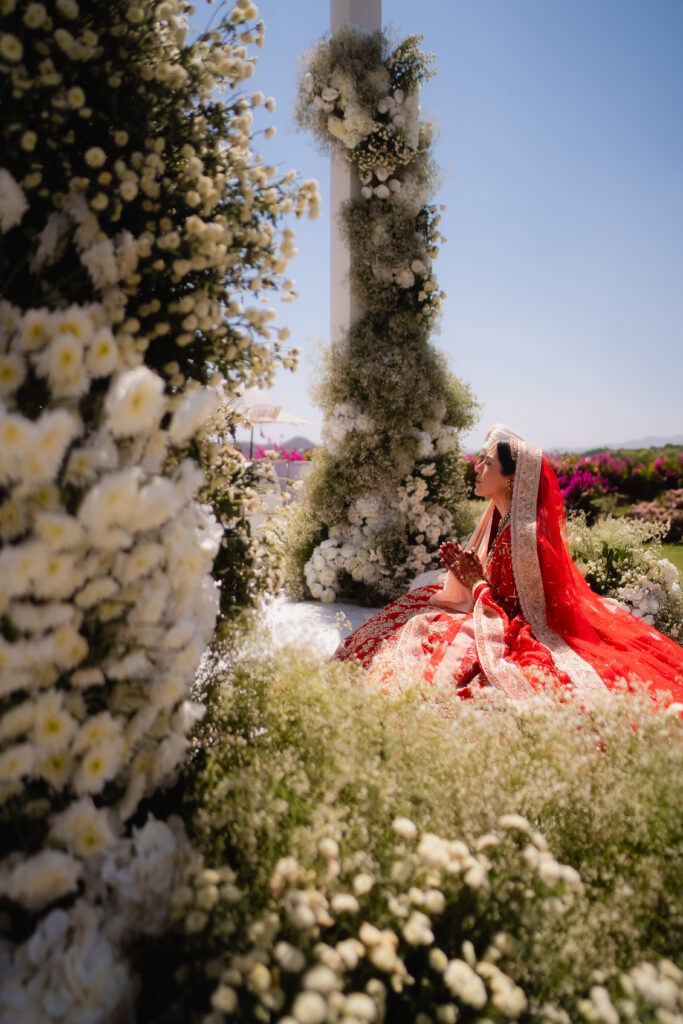
Yes, worldwide. The Anand Karaj ceremony has a blanket ban outside Gurdwaras as of December 2025. The issue is not only alcohol or meat. It is about the ability to ensure consistent sanctity and protocol around Guru Granth Sahib Ji. While Sikh educational organisations may hold spiritual or religious camps at external venues due to established trust and experience, the average family-run wedding cannot guarantee the same standards.
What about couples who already had an Anand Karaj outside a Gurdwara?
Nothing retrospective will be done. What has happened has happened. Sikhi views the relationship as one between the individual and the Guru. There is no intent to invalidate past marriages or shame couples. The focus is forward-looking, educational and corrective, not punitive. Couples are always welcome to have an Anand Karaj in a Gurdwara later if they feel called to do so.
What should couples do if they’ve already booked a destination or commercial venue?
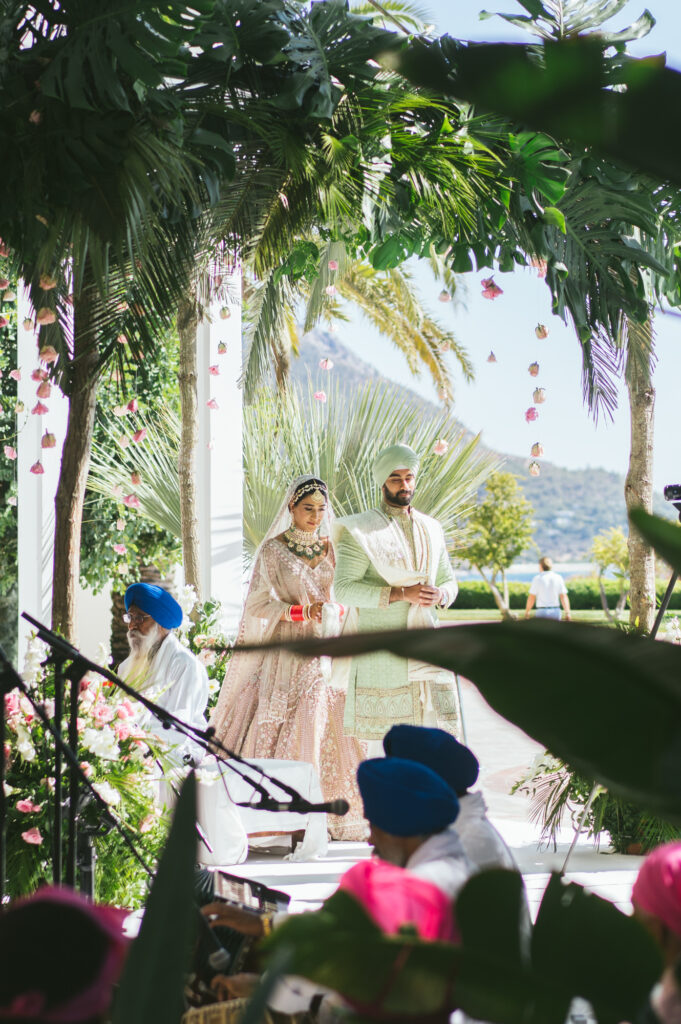
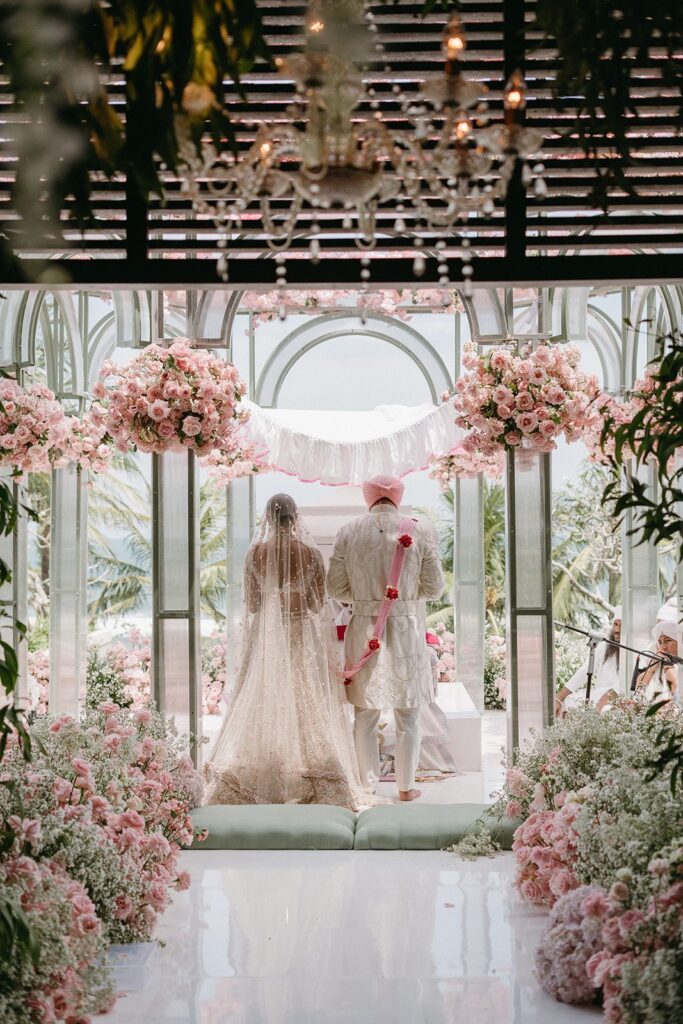
The restriction applies only to the Anand Karaj ceremony. No one wants to cancel celebrations. The intent is to preserve sanctity, not spoil milestones. Couples may still: 1) Hold cultural or symbolic Sikh events 2) Host celebrations, receptions or Eastern-style ceremonies 3) Above all, exclude Guru Granth Sahib Ji from non-Gurdwara venues.
Are such marriages considered incomplete or invalid?
No such declaration has been made. If couples later understand that the Anand Karaj places the Guru, not the couple, at the centre, they may choose to align themselves more closely with that understanding. That decision remains personal.
What about logistics? Aren’t UK Gurdwaras already overbooked?
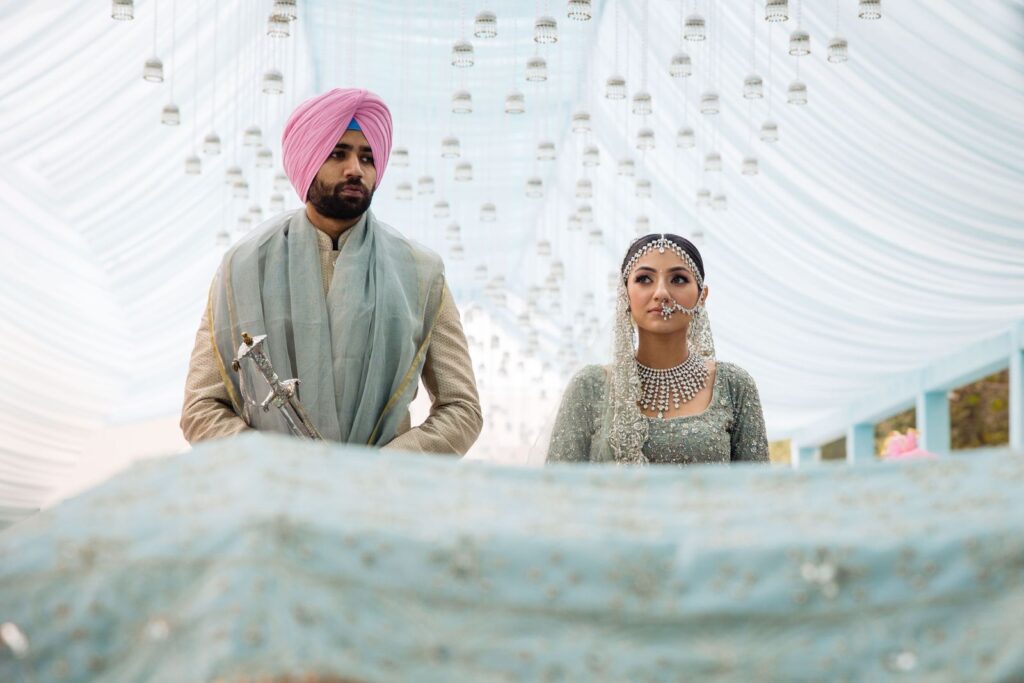
The UK has over 300 Gurdwaras. Many can conduct multiple ceremonies in parallel. Smaller or less prominent Gurdwaras are often underutilised. This mandate may encourage more intimate, community-oriented weddings and reduce excess and extravagance that has crept into modern ceremonies.
Could this push couples towards civil marriages instead?
Possibly, and honestly, that’s not a concern of the SGPC. If someone does not practise or identify deeply with Sikh faith, choosing a civil ceremony is entirely valid. Sikh blessings such as Ardas or other prayers can still be sought without performing an Anand Karaj. The Anand Karaj is for those who sincerely wish to commit their marriage to the Guru.
What does a “proper” Anand Karaj look like today?
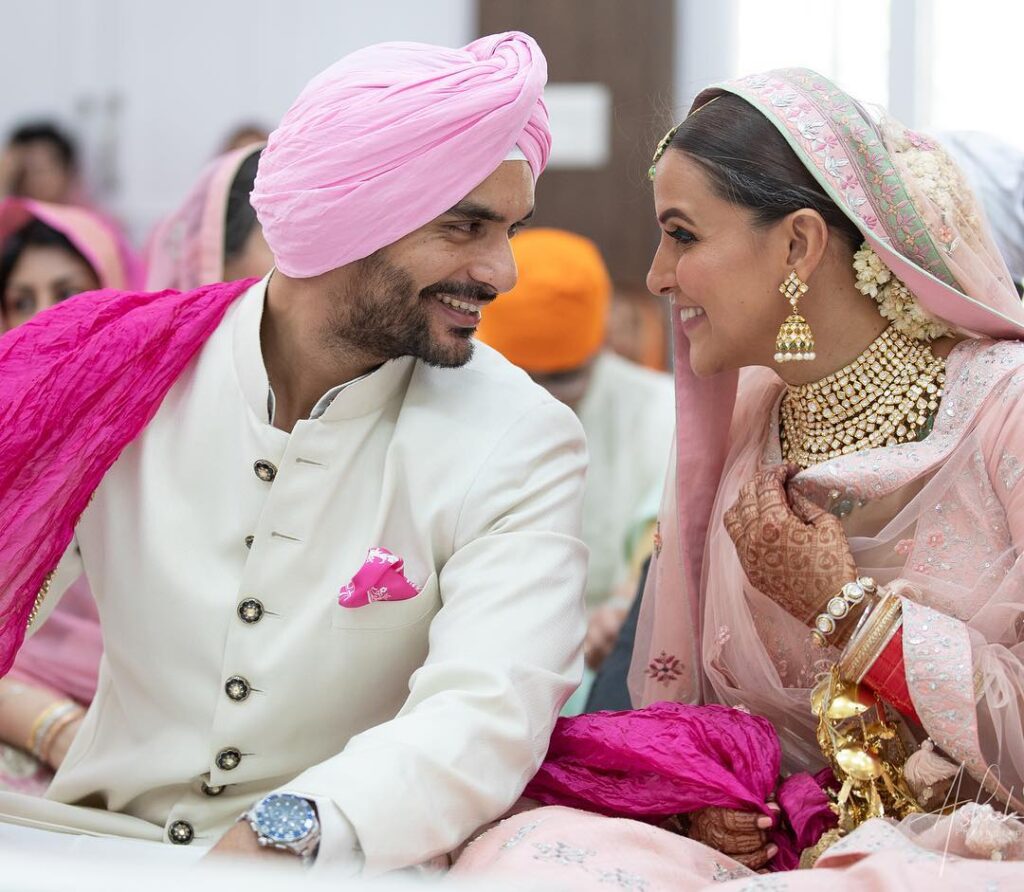
Very simple:
- Conducted inside a Gurdwara
- With Guru Granth Sahib Ji at the centre
- With full adherence to protocol
In totality, it is understanding that the vows are made to the Guru, together, not just to each other, fulfils the essence of the ceremony.
What about inter-faith couples or non-Sikhs marrying Sikhs? Are they expected to convert?
There is no forced conversion in Sikhi. In the UK, an existing consensus encourages non-Sikh partners to add a single “Kaur” or “Singh” to their name as a sign of sincere commitment. Sikhi has no formal conversion ceremony; it is a lived practice. The expectation is honesty, integrity and genuine intent.
Is there concern this will alienate future generations?
For the SGPC, the greater risk is alienating practising Sikhs by diluting the ceremony’s meaning. If someone finds the idea of an Anand Karaj in a Gurdwara uncomfortable, it showcases personal reflection. The mandate protects faith, not aesthetics.
Who is responsible when rules are broken? Is it couples or vendors?
The responsibility lies entirely with Gurdwara management committees. They know the rules. If they allow violations, it is either negligence or profit-driven decision-making. Community protests have consistently targeted institutions, not couples.
Can UK-based couples still have destination weddings if the Anand Karaj is in a Gurdwara?
Yes, absolutely! As long as the Anand Karaj ceremony itself is conducted in a Gurdwara, celebrations elsewhere, in India or abroad, are permissible.
The Bottom Line
This mandate is not about restriction. It is about restoration of meaning, sanctity and respect. As Jasveer Singh reiterates, a Gurdwara is not a compromise venue. It is the rightful home of one of Sikhi’s most sacred ceremonies. For couples navigating modern love alongside ancient faith, clarity is power. And now, there is no ambiguity left.
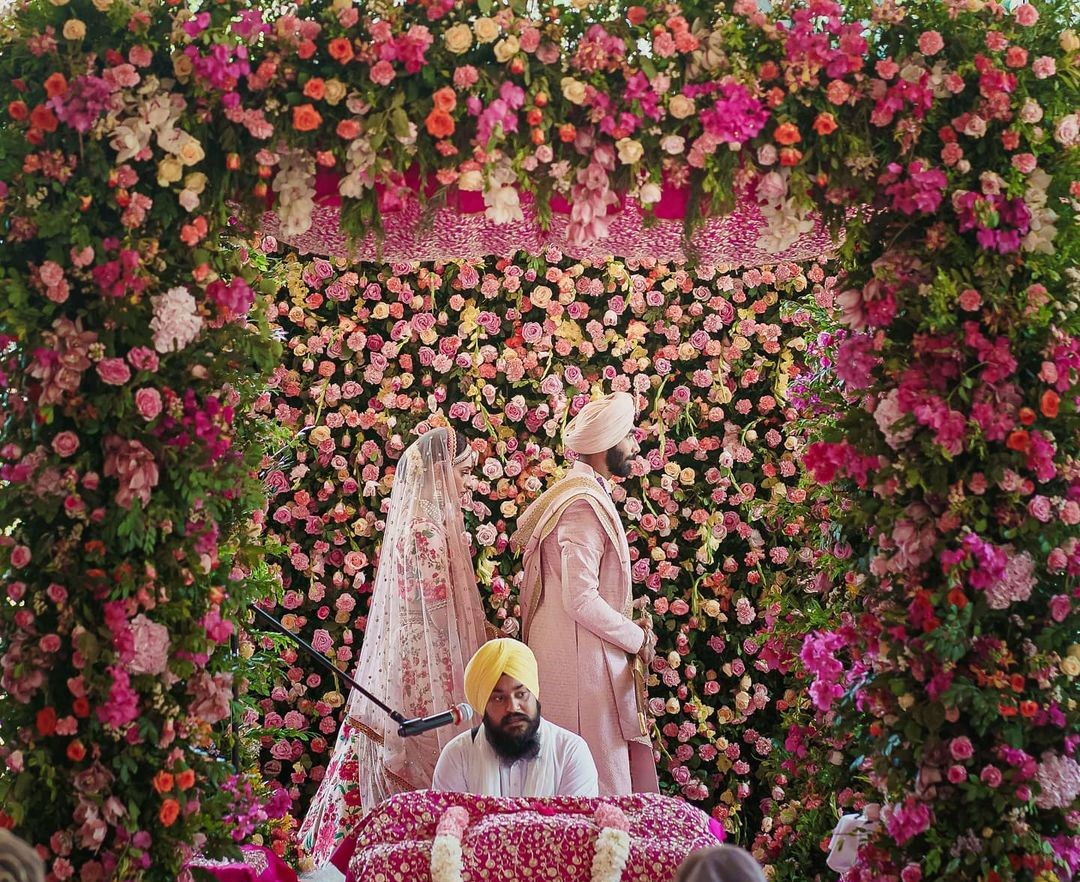
**Khush Wedding will continue to track developments and updates from the SGPC and Akal Takht. All images used in the story are purely for representational purposes.