


















Every modern bride has faced it at least once. Do you trust your own steady hand and years of doing your everyday makeup, or do you book a professional artist and hand over the reins? With endless tutorials, influencer masterclasses and a vanity full of trusted products, DIY bridal makeup feels more accessible than ever. At the same time, weddings are no ordinary occasion. The scale, scrutiny and emotional weight are entirely different.
DIY is not inherently wrong. For some events, it can work beautifully. But when it comes to the wedding day itself, professional makeup artists argue that what they offer goes far beyond foundation and lipstick. It is foresight, technical precision, structure and emotional support built into one service.
Below, three of UK’s most sought-after artists, Ganga Bhambra, Kashni M and Jas Dhillon, break down exactly what that difference looks like.
1. The Difference Between Everyday & Bridal Makeup
“In my experience, the biggest difference comes down to longevity, durability and the level of enhancement,” says Jas. “Everyday makeup is typically soft and quick to apply. It’s designed to create a fresh, glowing version of yourself, while still looking natural and skin-focused.” Bridal makeup, she explains, operates on an entirely different brief. “It maintains that skin-like finish but is far more long-wearing and resilient. It’s designed to withstand heat, sweat, tears, long hours and multiple lighting conditions, from professional photography to natural sunlight. It’s usually slightly more elevated, with added touches like lashes, enhanced blush and more definition.” The key word here is resilience. A wedding look must survive close-up HD cameras, flash photography, tight embraces and climate shifts. It has to look refined in daylight and balanced under artificial lighting. “Ultimately,” Jas adds, “it’s a more durable, glam version of your everyday look, created to last all day while still feeling like you.”
2. Where DIY Falls Short
Ganga is quick to clarify that tutorials are not the enemy. But they are generalised. “Professional bridal artistry is bespoke,” she explains. “I study each bride’s face, colouring and style preferences so the look enhances her rather than following a trend or template. Tutorials aren’t tailored to your individual features, skin type, undertone or bone structure.” The difference lies in customisation and foresight. “I can anticipates flashback, undertone mismatches, how a base will oxidise and how a lip colour will read against a heavily embroidered lehenga.” Then there is the emotional reality of the wedding morning. “Another biggest factor is stress,” Ganga says. “On your wedding morning, the last thing you should feel is pressure to execute a full bridal look on yourself. When a bride has the right artist for her, she can truly relax and be present in the moment.”
3. Bridal Skin Prep
When it comes to preparation, Kashni sees brides often overdoing it. “I see so many women layering multiple serums and viral products, then wondering why their makeup pills or slides,” she says. “More skincare doesn’t automatically mean better makeup. In fact, sometimes it makes it worse.” For her, bridal skin prep is about balance. On the wedding morning, skin is often stressed from nerves or lack of sleep. It can feel dry but look shiny at the same time. “My job isn’t to overload it, balance it. Before any foundation goes on, I’m properly reading your skin in that moment. Is it thirsty? Is it reactive? Is there texture in certain areas? Does the T-zone need controlling, while the cheeks need more cushioning?” This diagnostic approach is what separates professional prep from guesswork. “Bridal prep is about creating the right canvas so the makeup doesn’t just look nice for the first hour, but beautiful and stable all day.”
4. Customising For Every Event: From Mehendi To Reception
No two wedding events demand the same face. Ganga approaches each ceremony strategically. “I consider the time of day, weather, lighting, outfit colours and the bride’s personality. A daytime outdoor ceremony doesn’t need heavy highlighter because natural light already gives luminosity. Evening events under artificial lighting may call for slightly more definition so features don’t get lost on camera. I also never assume a bride wants something bold just because it’s a sangeet. Some brides prefer natural glam across all events.”
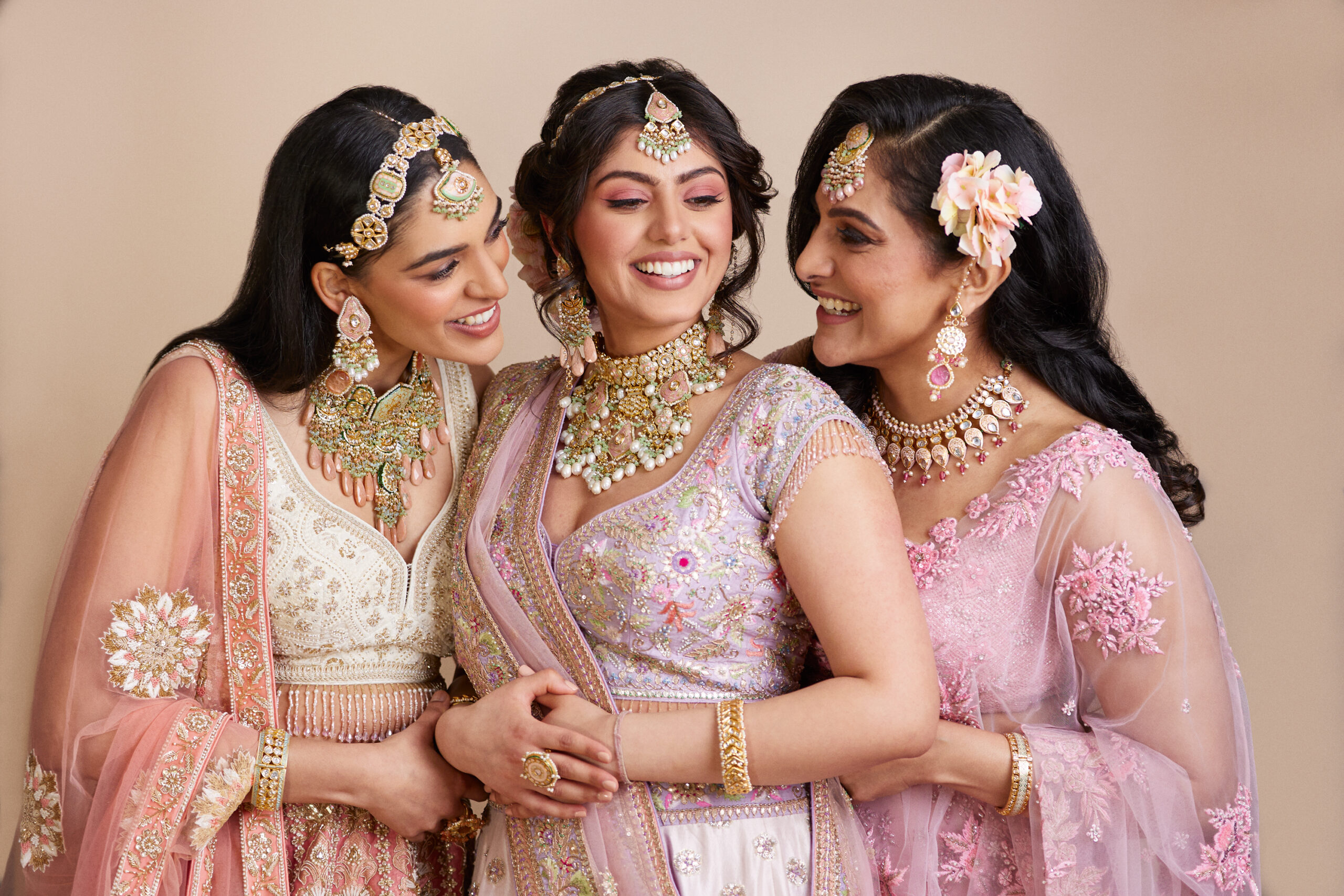
Kashni begins with environment. “For daytime pheras, I’m careful with glow and really refine the skin. Structure is there, but it’s softer because people are very close to you. Mehndi has more movement and colour, so I look at the outfit first and make sure the tones in the makeup sit well against it. For an evening reception, I place depth more intentionally so you still have definition in photos but it doesn’t look overdone up close.”
Jas encourages brides to think in moods. “For a mehndi, the look is usually more playful and vibrant. For a daytime ceremony, my approach is softer and more refined. Natural daylight can be unforgiving, so the makeup needs to look seamless and skin-like. For an evening reception, you can elevate the glamour with deeper tones and a more polished finish. The overall look is always adapted to suit the event and its mood.”
5. Making Makeup Last 12 Hours
Longevity is not luck. It is technical discipline. “When it comes to longevity, I’m very methodical,” Kashni says. “I correct pigmentation first so I’m not compensating with heavy foundation later. Then I build the base in thin, pressed-in layers rather than buffing thick product across the skin. That helps it grip and become part of the skin instead of sitting on top of it.” She emphasises patience. “Drying time is something people underestimate. If you rush concealer over skincare that hasn’t absorbed, or powder over cream before it’s set, that’s usually when makeup starts shifting or separating hours later.” High-movement areas receive special attention. “I set strategically, not the entire face the same way. Areas that crease get locked in. Areas that need movement are left with flexibility.” These technical decisions are rarely visible. But they are the reason a bride’s makeup still looks intact long after the final dance.
6. The Wedding Morning Advantage
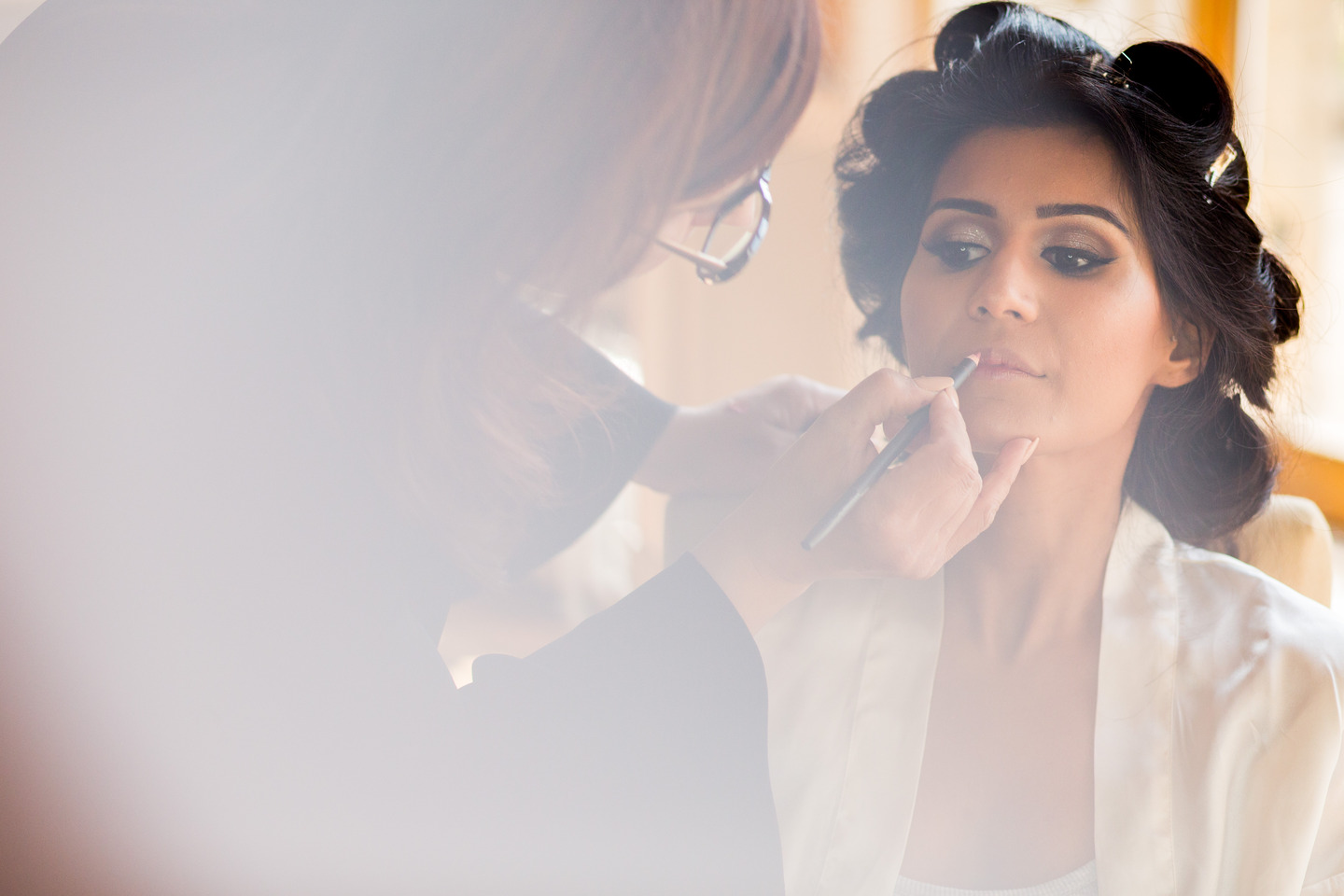
A professional artist is also a steady presence. “You’re often one of the first suppliers the bride sees, so the energy you bring is crucial,” says Jas. “Brides may feel excited, emotional, nervous or overwhelmed. My role is to create a calm, grounded environment, whether that’s through soft background music, light conversation or simply being a steady presence.” Beyond emotional support, there is logistical structure. Timelines are mapped out in advance. Touch-ups are scheduled around jewellery placement and photography. Adjustments are made without panic if things run late. “When everything is organised ahead of time,” she says, “the day begins in a calm, positive way.” Removing decision fatigue is part of the service. The bride is not second-guessing her blush placement or worrying about uneven liner. She is being taken care of.
7. When DIY Makes Sense, And When It Doesn’t
Ganga takes a balanced stance. “If a bride is working within a tighter budget, I usually suggest saving professional makeup for the main wedding events and keeping smaller functions more low-key if she’s comfortable doing her own.” DIY can make sense for intimate gatherings or if the bride genuinely enjoys doing her makeup and feels confident in her skills. But for milestone ceremonies, her advice is clear. “For the key events, especially when professional photography is involved, I always recommend investing in a professional artist. The difference truly shows on camera, and those are photos you’ll treasure for a lifetime.”