


















Weddings are a marriage of grandeur, colour and emotion. This is why your photos are the receipts you will actually want to keep long after the celebrations come to an end. Yet many brides admit that once the confetti settles and the lehenga is packed away, they notice gaps in their wedding album that could have been easily avoided. From rushed timelines to missing shots, small decisions often snowball into major regrets.
Renowned fine art wedding photographer Satpal Kainth weighs in with his two cents on the most common wedding photography mistakes he sees couples make, how to dodge the usual pitfalls and how a little foresight can change everything. Read his inputs like a pre-wedding checklist and borrow the fixes that suit your vibe and logistics.
1. Treating photography as an afterthought
One of the biggest mistakes couples make is not prioritising photography early enough in the planning process. Satpal is clear about this. “Your images are the only thing that will last forever from your wedding. Making your wedding photography a priority is key,” he says. Booking late often means settling, rushing conversations or missing out on photographers who align with your vision. As the UK-based photographer puts it, “There is no wrong or right regarding photography styles. Choose what truly feels like you.”
2. Hiring on price, not on proof
Choosing a photographer because they are inexpensive can be a heartbreak waiting to happen. A low price tag sometimes means limited kit, no backups, rushed editing or worse, questionable file handling. There are horror stories of entire weddings shot in JPEG and edited on a phone. “Brides, do your homework. Spend time reviewing full wedding galleries and real couple testimonies, and choose a style that reflects your personality. If a portfolio is only highlight reels and not full weddings, treat it as a warning sign. Also, ask about camera backups and file formats and request references. Investing in a pro saves you from post-wedding disappointment.”
3. Cramming the schedule with no breathing room
A packed timeline is the fastest way to sabotage great photos. Indian weddings are notorious for delays, costume changes and back-to-back rituals, leaving little time for portraits or candid moments. “Do not cram your schedule so that there is no time for your wedding photography,” Satpal advises. “Plan buffers around key moments, so photographers can work creatively rather than reactively.” A realistic schedule allows space for calm portraits, family shots and those fleeting emotional exchanges that often happen in-between ceremonies.
4. Obsessing over posed shots and missing emotions
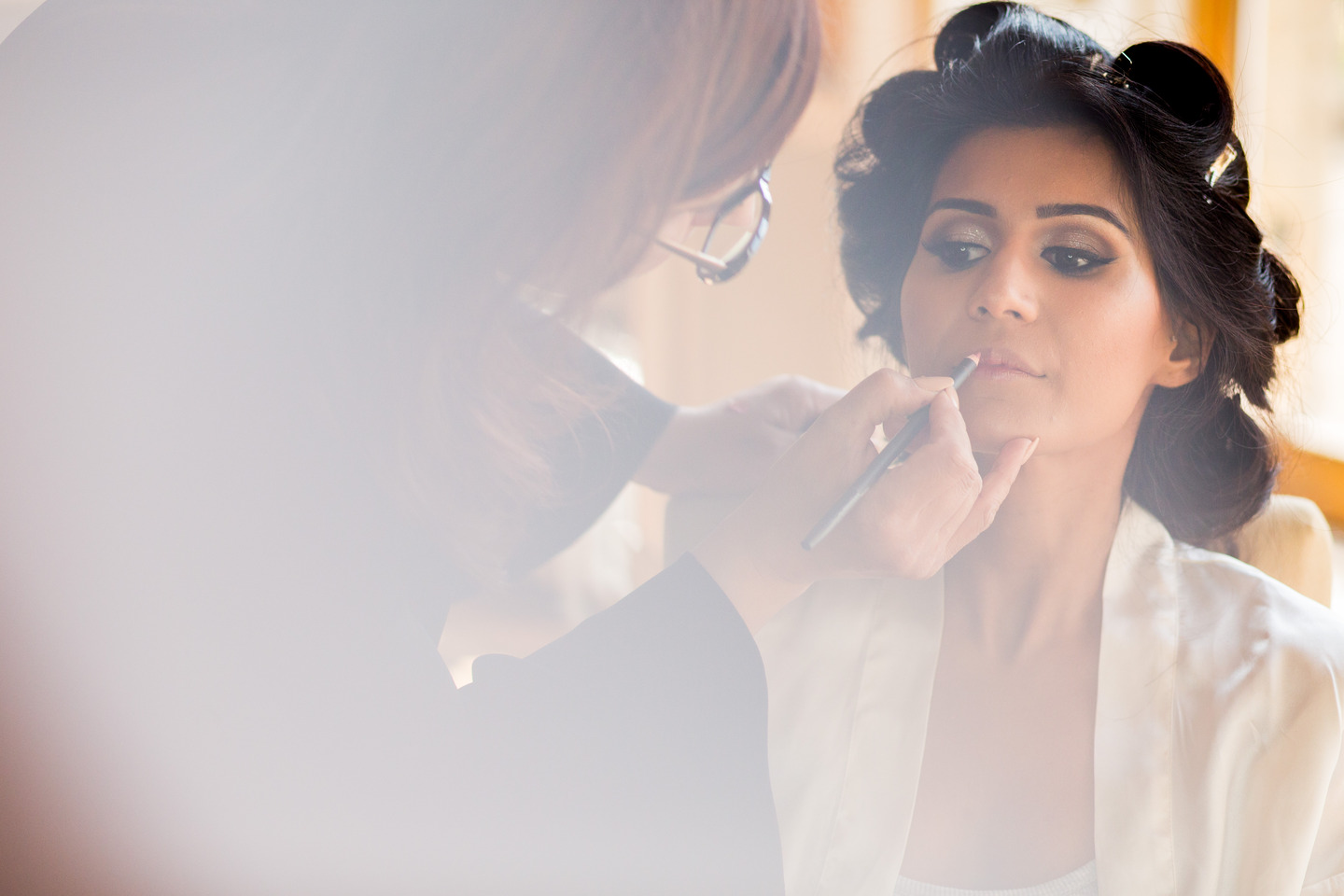
Many couples focus heavily on posed portraits, forgetting that the heart of a wedding lies in unscripted moments and that candids aren’t limited to the couple. “Weddings are all about emotions. It’s why candid photos are a must. They capture love, laughter, tears and joy,” says Satpal. From parents exchanging glances during a ceremony, bridesmaids laughing while getting ready, to emotional moments between rituals and spontaneous hugs with family, nearly 90% of a wedding is documentary in nature. While dramatic, stylised images have their place, the magic often lies in being “in the right place at the right time.” Trusting your photographer to observe rather than orchestrate every frame ensures your album feels alive, not staged.
5. Skipping the pre-wedding shoot
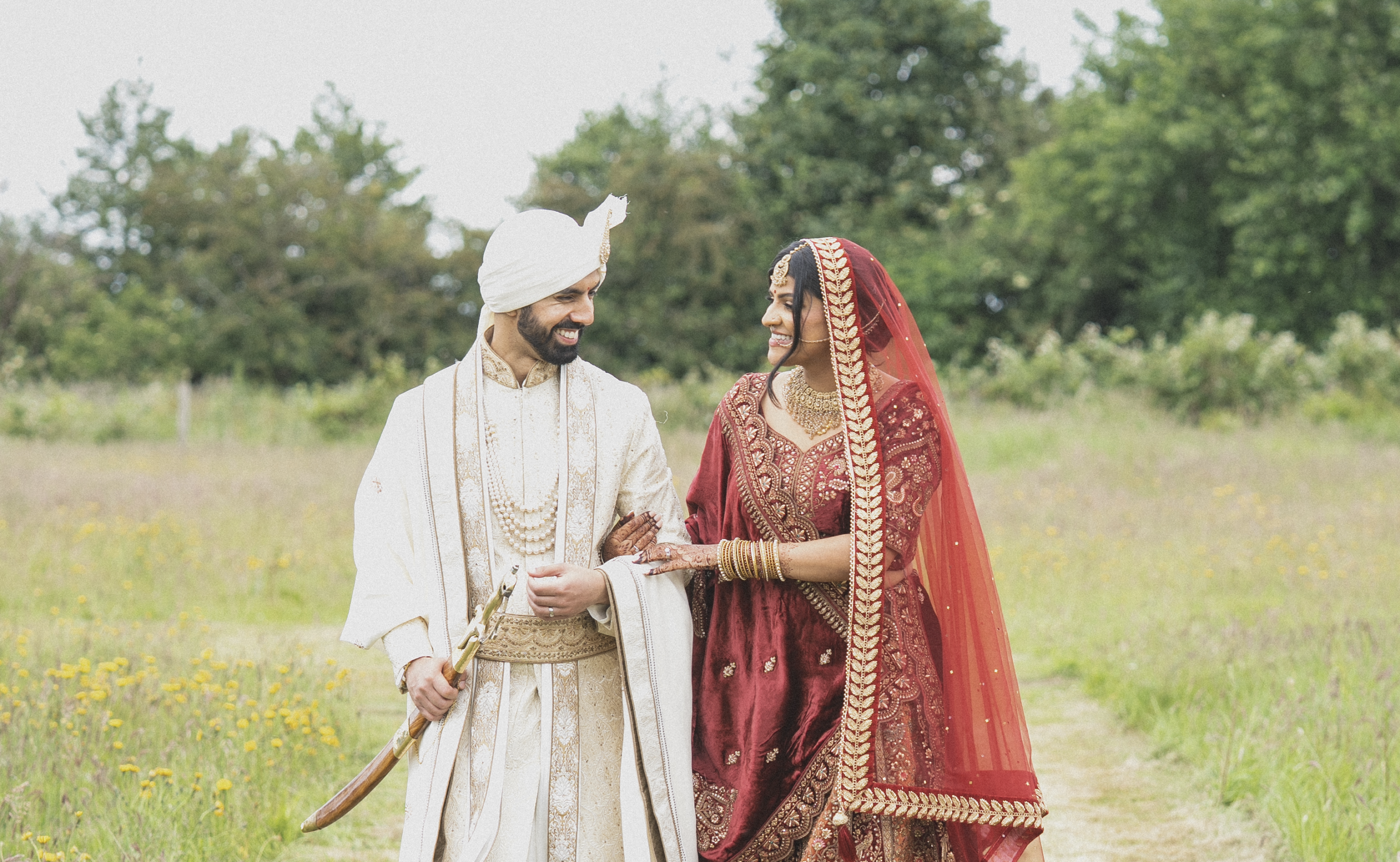
A pre-wedding shoot is not just about pretty pictures. It is a rehearsal. Satpal believes it plays a vital role in building comfort and trust. From the right outfits to understanding body language, these sessions help photographers learn how couples interact naturally. He often emphasises that chasing the right light matters more than chasing exotic locations. When couples treat the shoot casually or skip it entirely, they miss a valuable opportunity to fine-tune their comfort, communication and visual direction.
6. Not pre-empting lighting and venue realities
Lighting can make or break wedding photographs, especially across Indian venues that range from sun-drenched outdoor mandaps to dim banquet halls. Satpal’s approach changes with every environment. “When capturing a natural light image, I am chasing the light,” he explains. For posed images, he scouts locations, selects light sources and adds artificial lighting if required. Couples who ignore venue lighting restrictions, drone permissions or ceremony timings often end up with compromised images. “A thorough venue walkthrough with your photographer can prevent these surprises.”
7. Not communicating your vision
Great wedding images begin with strong relationships and honest conversations. “The bond and relationship with your couples is key,” says Satpal. He emphasises that understanding a couple’s likes, dislikes, outfits, colour palettes and overall theme helps photographers build visual storyboards and cohesive narratives. “Without these discussions, even the most skilled photographer is left guessing. Sharing references, inspirations and priorities early on allows the imagery to feel intentional rather than accidental.”
8. Not trusting the photographer’s process
Once your vision is communicated, trust becomes essential. Micromanaging every frame or recreating Pinterest shots verbatim can limit creativity and authenticity. Satpal believes that balancing a couple’s expectations with creative freedom is what leads to timeless images. “Drawing inspiration from cinema, fashion and art, I adapt my approach to each wedding, using light, emotion and moments as my guide. Above all, directing the couples is key to make couples feel at ease and the pose doesn’t seem staged or rigid.”
9. Forgetting to assign a family photo wrangler
Family photos can become a time sink and a stress source. Expect delays unless you assign one person per side to gather relatives. This could be an aunt, your planner or a cousin who knows everyone by nickname. Provide a printed list of family groupings to the photographer and the wrangler. It sounds small but it saves precious minutes and avoids that awkward scene where grandparents are cold, tired and waiting for yet another group shot. Your photographer will love you for it.
10. Not hiring a second photographer
Many couples underestimate how much is happening simultaneously at a wedding. While the bride is getting ready, the groom’s side has its own energy. While couple portraits are being shot, guests are reacting, laughing and celebrating elsewhere. Satpal strongly believes in the value of additional coverage. “The additional photographer provides an alternative perspective on coverage,” he explains. “A second photographer allows moments to be captured in parallel, ensures guest reactions are not missed. As the lead photographer, it also gives me creative freedom.” Skipping this often means losing entire layers of the wedding story that can never be recreated.
For more information:
Satpal Kainth
www.SatpalKainth.com