



















Cinema has long shaped how we imagine weddings, well before Pinterest boards, curated moodboards and Instagram reels entered the picture. For many of us, our first understanding of what a wedding should look and feel like came from the movies. Flowing dupattas caught mid-spin, emotional parents watching from the sidelines, chaotic dance floors and vows delivered at precisely the right moment. These scenes were designed for drama, yes, but they weren’t all fantasy. Some endured because they felt emotionally accurate.
The wedding films that stay with us are rarely about the wedding alone. They are about people on the brink of change, navigating love, family, expectation and choice. Across Bollywood and Hollywood, the aesthetics may differ, but the emotional undercurrent remains strikingly similar. Weddings become settings rather than conclusions, moments where relationships are tested and identities shift. Here are 10 wedding lessons that continue to ring true, each drawn from a film that understood marriage as more than a montage and the wedding itself as the beginning of something far more complex.
Marriage is a decision, not a fantasy
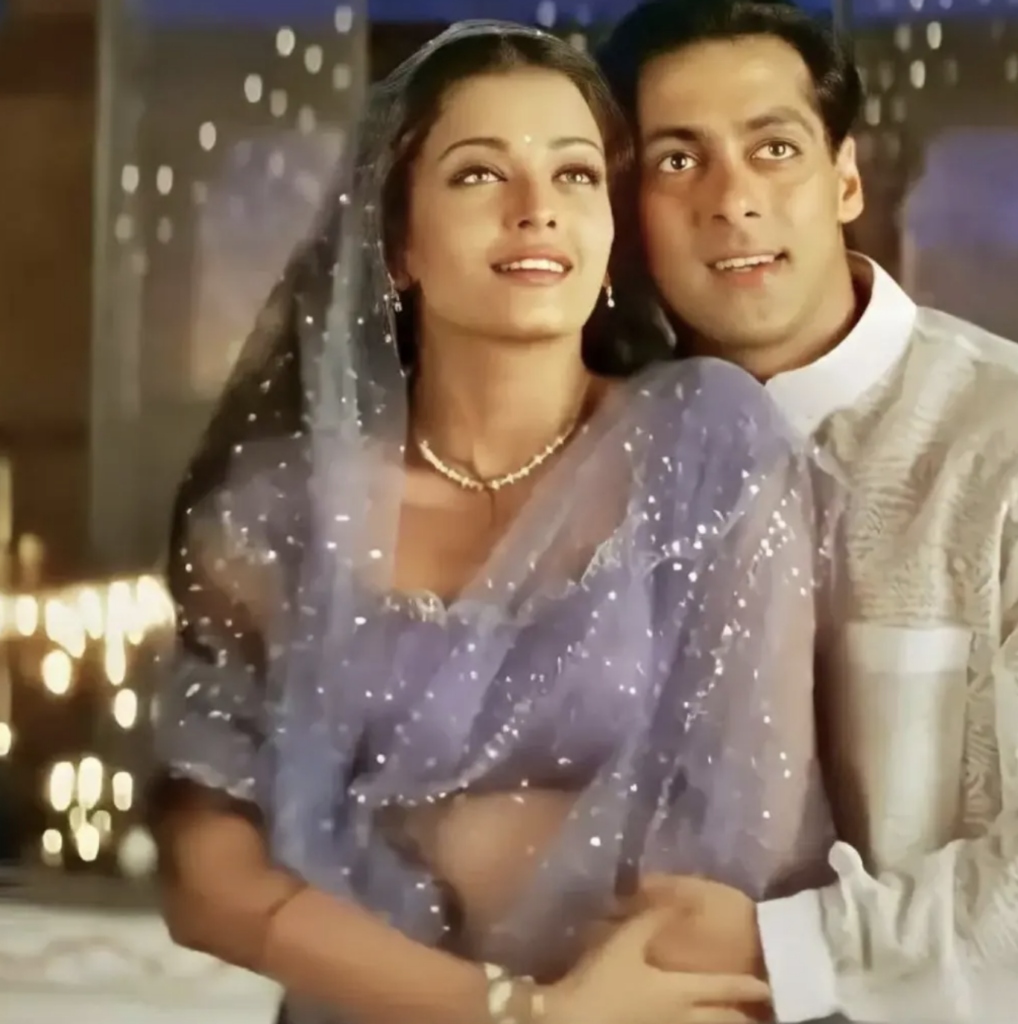
Hum Dil De Chuke Sanam tells the story of Nandini, played by Aishwarya Rai, who falls deeply in love with Sameer (Salman Khan). Under family pressure, she goes on to marry Vanraj (Ajay Devgn) in an arranged match. What follows is not a story of suppressed longing, but of emotional reckoning. Nandini makes a difficult choice, yet the film frames it as one that feels grounded and right rather than forced.
In doing so, the film reframes marriage as an act of responsibility, not romance alone. On screen, the wedding is neither triumphant nor tragic. It is composed, restrained and weighted with meaning. The rituals linger, underscoring that marriage is ultimately about who you choose to stand by, not simply who you desire most.
Weddings are family affairs, not private events
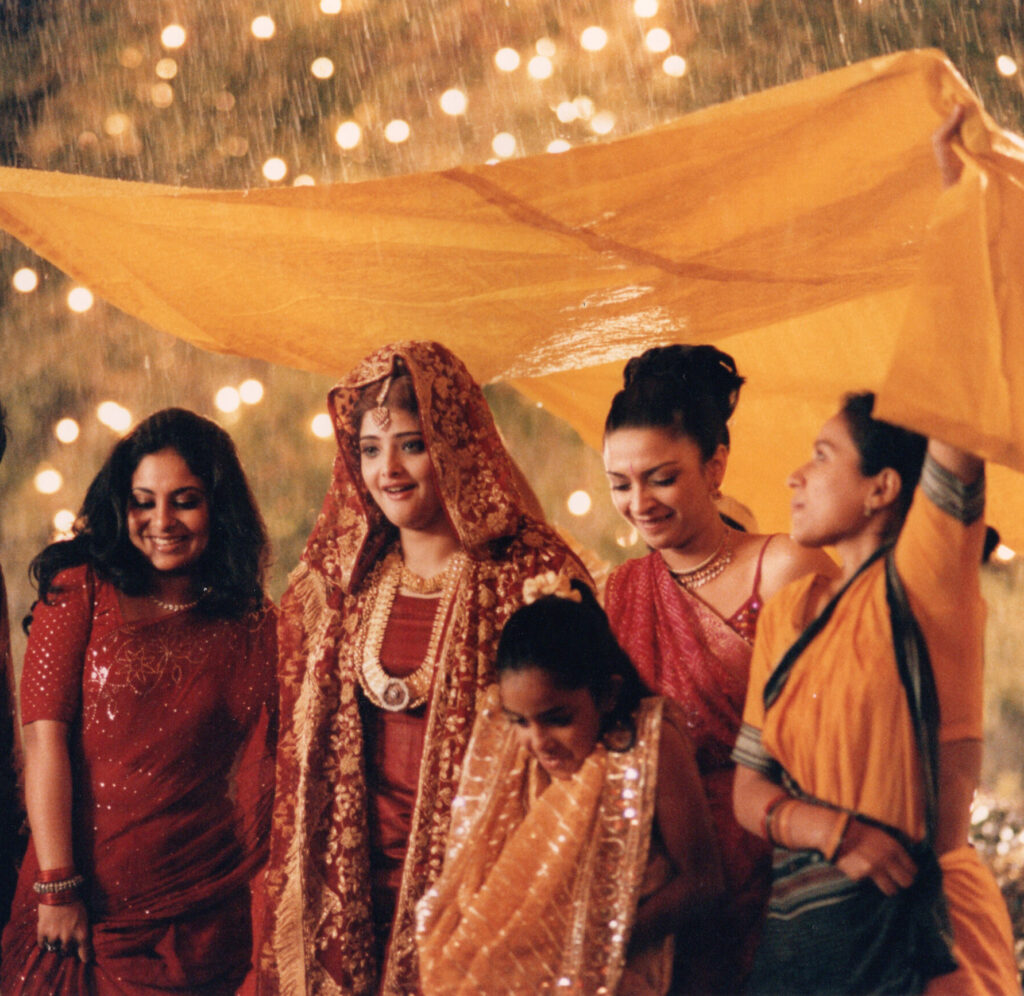
Released in 2001, Monsoon Wedding was ahead of its time, yet remains relatable even today. Set against the backdrop of a bustling Delhi wedding, the film follows the Verma family as preparations unfold, bringing with them long-buried secrets, generational tensions and moments of unexpected tenderness.
The film makes one thing clear. Love may be personal, but weddings are inherently communal. On screen, conversations overlap, emotions spill and private reckonings take place in shared spaces. The wedding becomes a container for unresolved truths, difficult conversations and quiet acts of support. In capturing both chaos and care, Monsoon Wedding mirrors real Indian weddings, where joy and complexity exist side by side.
Wedding planning tests the relationship
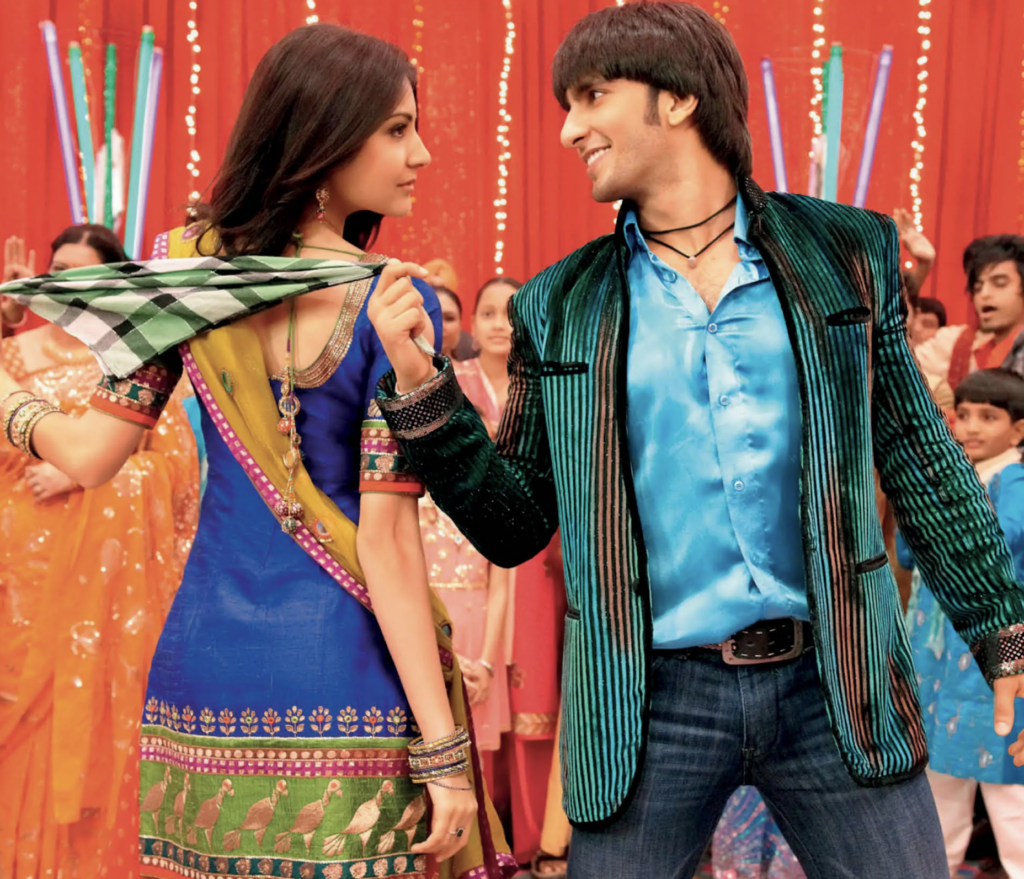
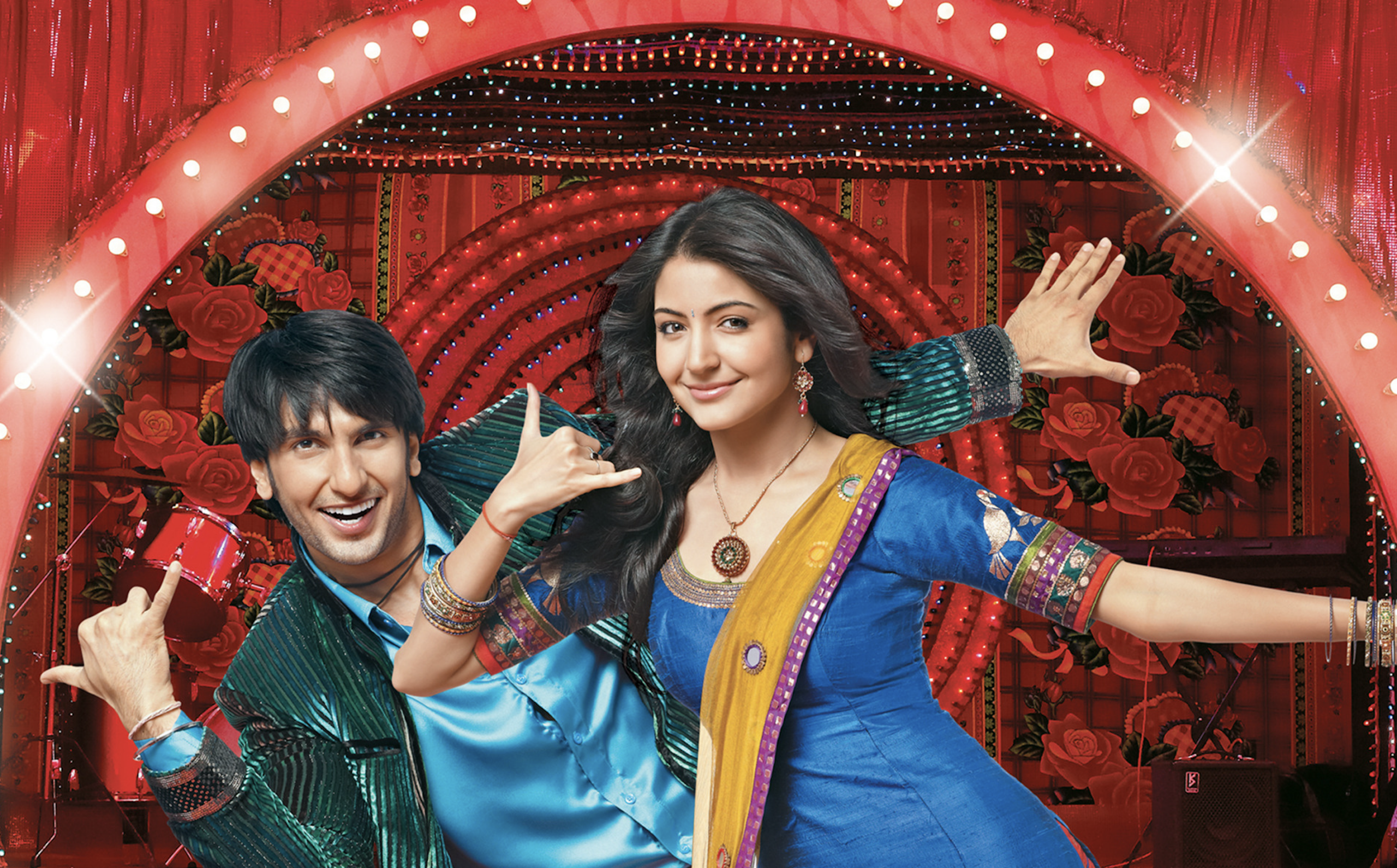
Starring Anushka Sharma and Ranveer Singh, Band Baaja Baaraat has become a cult wedding film for a generation. The story follows two ambitious Delhi-based wedding planners who build a business from scratch, navigating a parade of wildly different weddings and the inevitable chaos that comes with each one. Between tight budgets, demanding families and high-stakes celebrations, the film captures the behind-the-scenes frenzy of the wedding industry with honesty.
In the process, the film spotlights wedding planning that turns into a stress laboratory. They reveal how couples, personal and professional, communicate under strain, negotiate control and learn the art of compromise. In doing this, the film quietly reminds us that how a couple plans a wedding often says more about their relationship than the wedding itself.
Timing matters as much as love

A superhit film that went on to become a cultural touchstone, Yeh Jawaani Hai Deewani stars Ranbir Kapoor and Deepika Padukone in a coming-of-age romance shaped by ambition, friendship and personal growth. The film not only set trends for destination weddings and larger-than-life celebrations, but also placed friendships at the emotional centre of the story, showing how deeply they shape life decisions.
At its core, the film reminds us that love alone does not lead to marriage. On screen, the wedding arrives only after years of detours, distance and emotional evolution. By the time the characters choose each other, they do so as changed individuals. The moment feels earned, not impulsive. The lesson is enduring: timing is what transforms romance into partnership.
A wedding is a beginning, not a finale
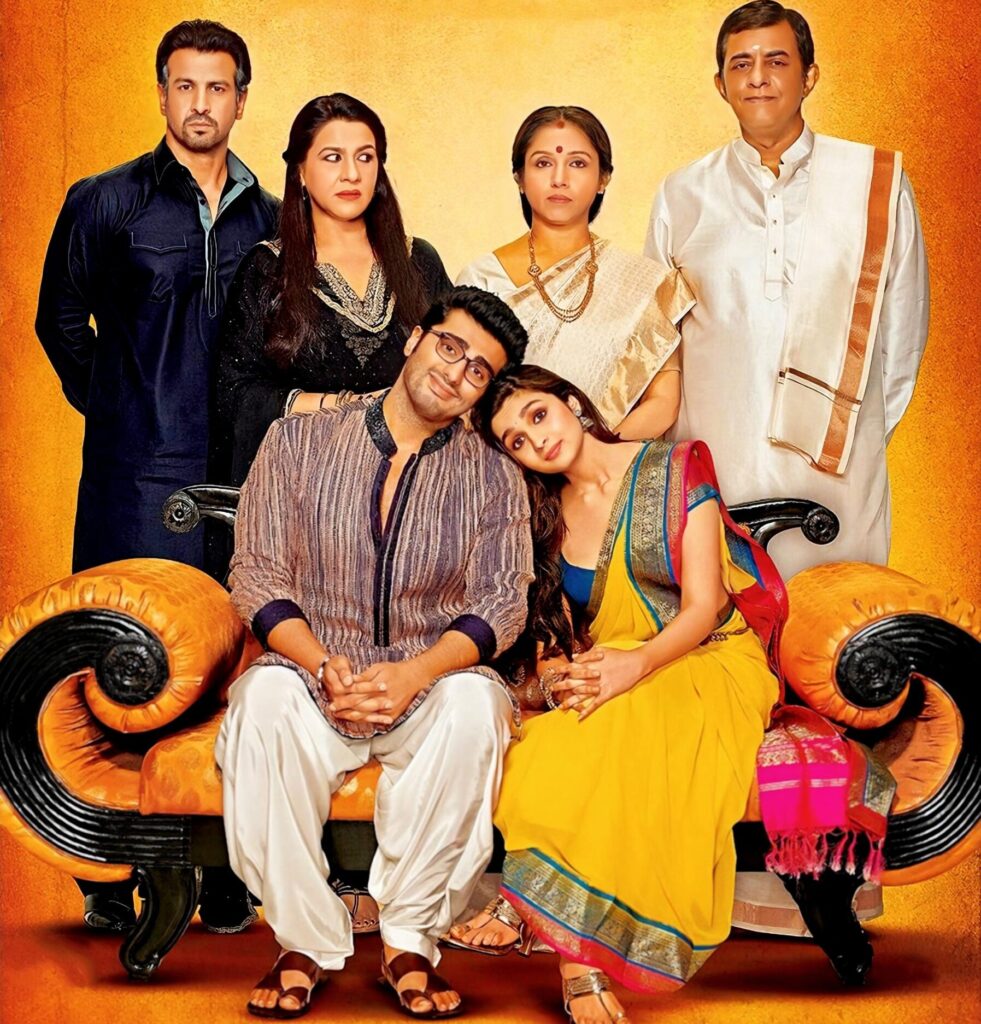
2 States showcases a romance between Ananya (Alia Bhatt) and Krish ( Arjun Kapoor) two IIM classmates whose love feels effortless and modern. The ease ends when their relationship moves toward marriage and the fault lines between their Punjabi and Tamil families surface. What follows is not just a love story, but a prolonged negotiation marked by cultural pride and parental expectations.
While the film culminates in a celebratory wedding, its message runs deeper. The union feels less like a victory and more like the start of a new phase that demands patience, adaptability and effort. Even when endings feel resolved, 2 States makes it clear that marriage doesn’t conclude the story. The real work, of blending families and sustaining partnership, begins after the celebrations fade.
Perfection is overrated
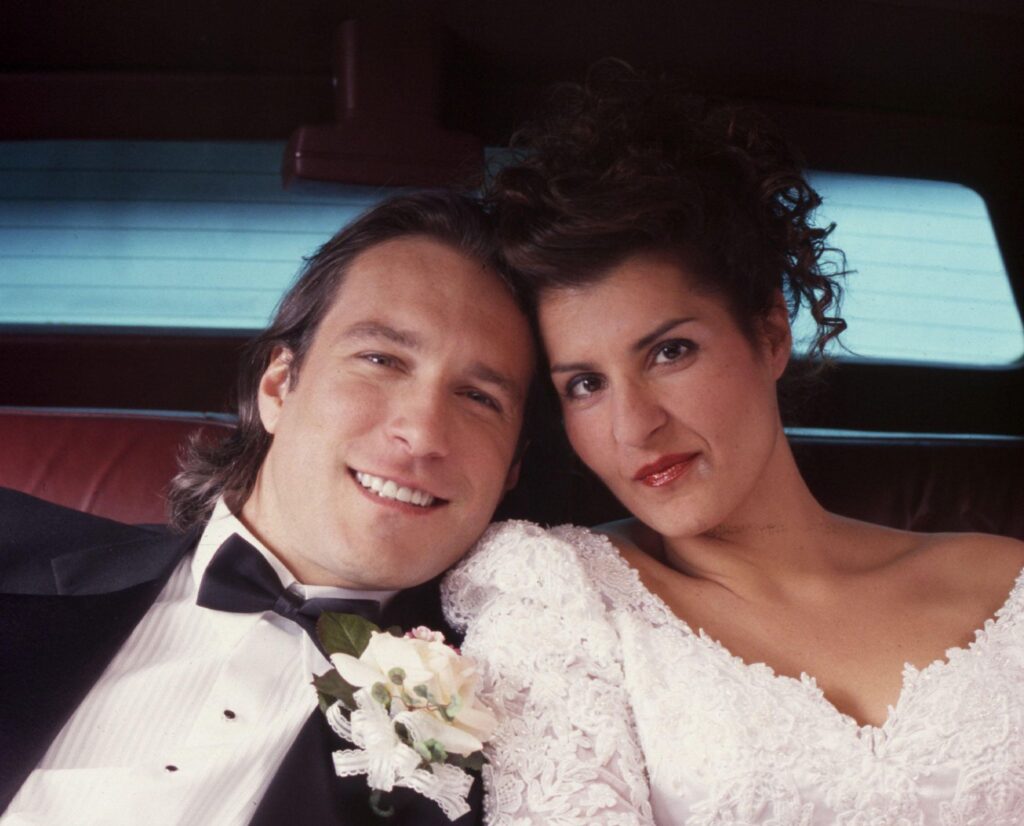
An iconic wedding film, My Big Fat Greek Wedding follows Toula as she falls in love outside her culture, setting off a cascade of family reactions that culminate in a wedding that is anything but restrained. Loud, crowded and personal, the celebration unfolds exactly as her larger-than-life family intends.
What the film gets right is its refusal to chase perfection. Nothing is polished or controlled, yet everything feels meaningful. Through laughter, tradition and unapologetic chaos, the wedding becomes a reflection of identity rather than spectacle. The film reminds us that the most memorable weddings are not flawless, but honest, rooted in love, family and authenticity.
Family acceptance is a journey
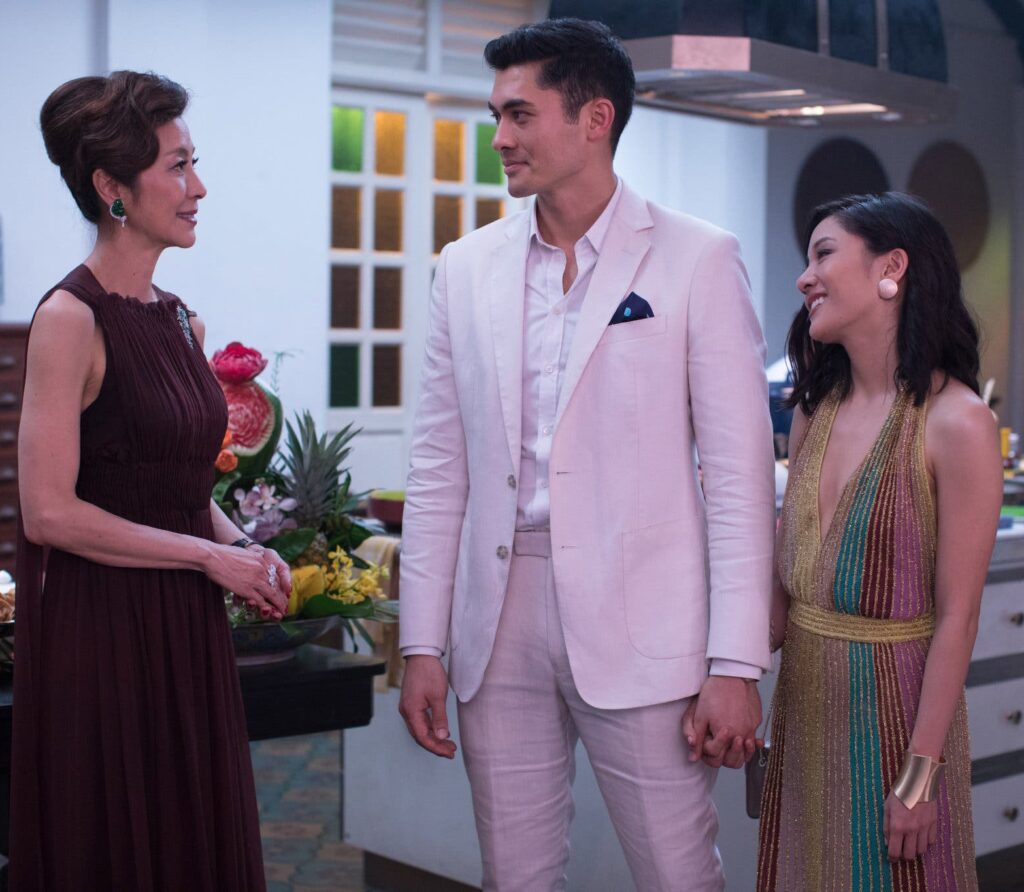
Loved by audiences across the world, Crazy Rich Asians is a modern love story that unfolds against a backdrop of extraordinary wealth, tradition and unspoken expectation. At its heart is a relationship that feels simple and sincere, but gets complicated when marriage enters the conversation. Suddenly, acceptance is no longer just about parents, but about honouring an entire family legacy.
While the film delivers one of the most visually extravagant wedding scenes in recent cinema, its emotional work happens quietly. Approval is not won through spectacle, but through integrity and self-worth. In doing so, the film reframes marriage as a merging of identities and values, not merely families, reminding us that belonging is something earned over time.
Small moments matter more than grand gestures
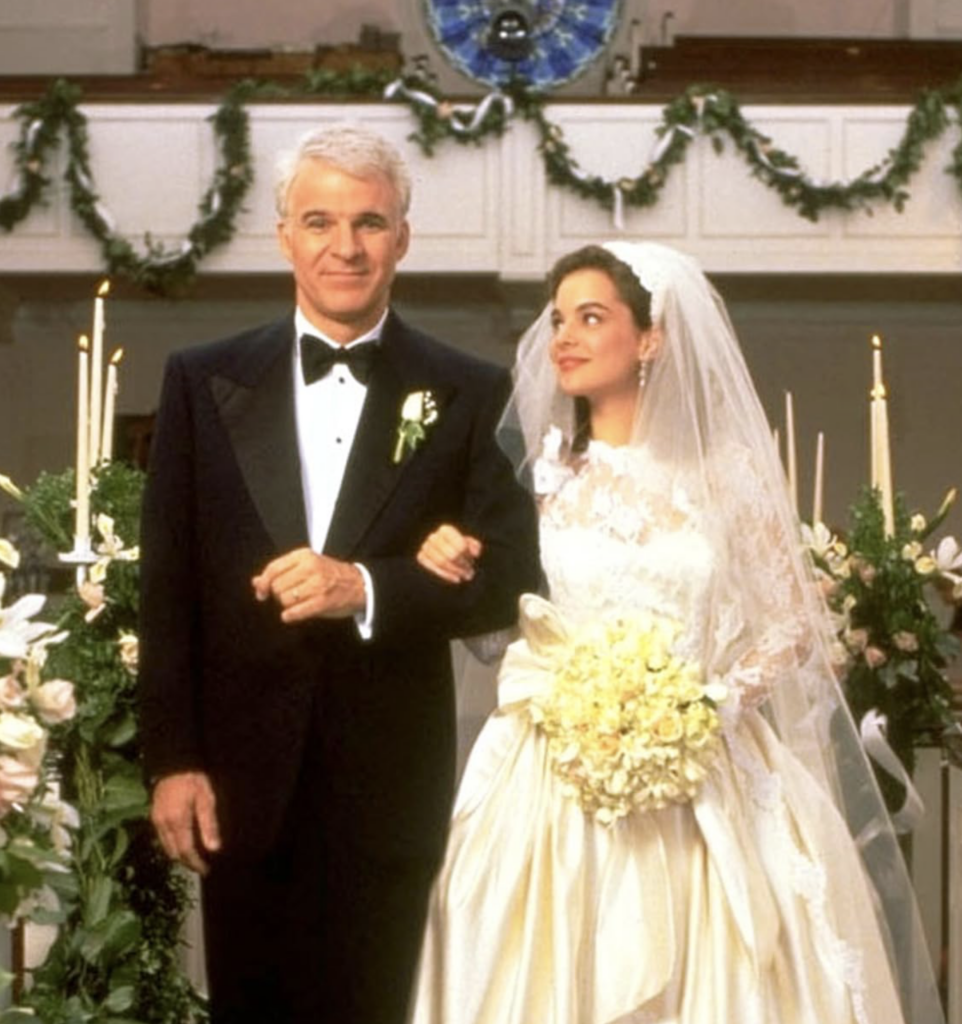
The iconic wedding film Father Of The Bride centres not on the couple, but on the tender, evolving relationship between a father and his daughter as she prepares to get married. As George (Steve Martin) grapples with letting go, the film finds its emotional core in small, intimate moments. Shared glances, offhand conversations, quiet gestures and familiar routines that suddenly feel precious.
Against the backdrop of a wedding spiralling in scale, budget and chaos, these understated exchanges carry the most weight. The film gently reminds us that while weddings may unravel and emotions may run high, it is the little moments, not the grand performances, that stay with us. Long after the ceremony ends, it is these fleeting gestures that truly matter.
Friends shape the wedding experience
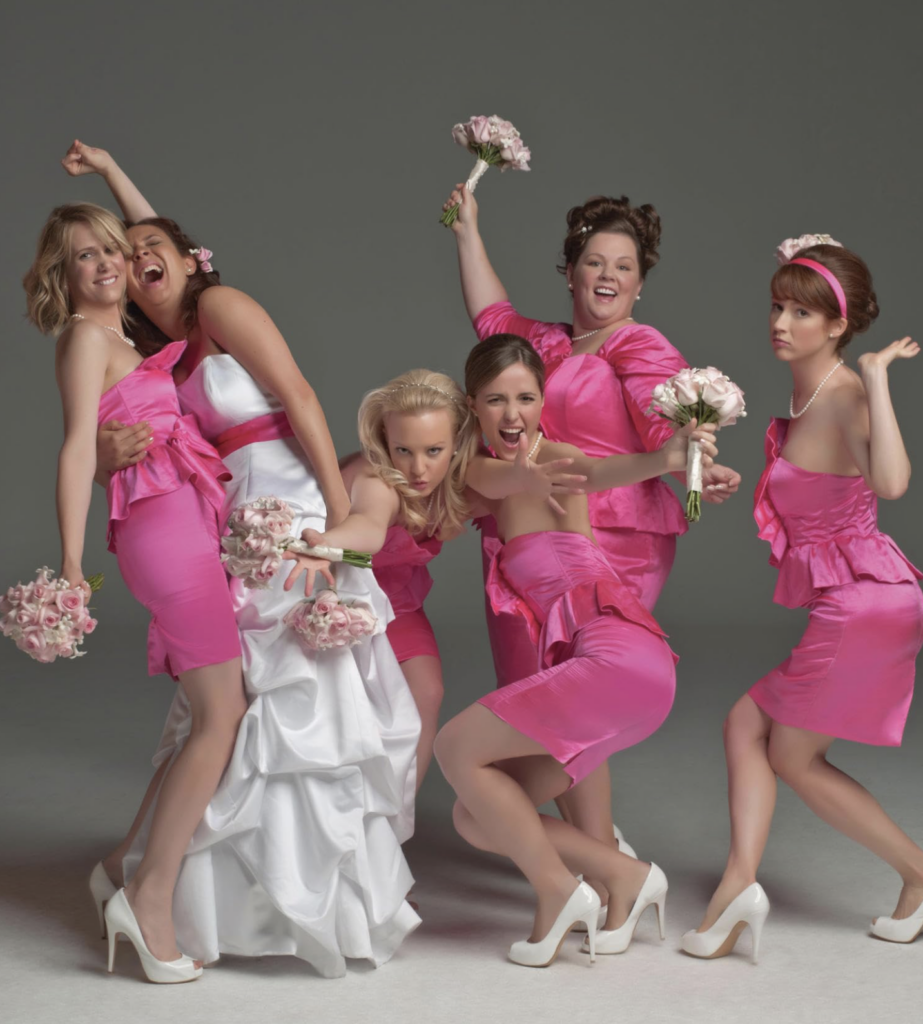
A wildly popular chick flick, Bridesmaids uses humour and exaggeration to explore how weddings can strain even the closest friendships. At its core, the film is less about the ceremony and more about the emotional dynamics between friends navigating comparison, insecurity and shifting roles during a major life milestone.
While the chaos is dialled up for comedy, the insight is surprisingly accurate. Friends often absorb the emotional overflow of weddings so couples can stay afloat. They plan, soothe, support and sometimes unravel in the process. Bridesmaids reminds us that beyond the vows and décor, it is friendships that hold the wedding together, shaping how the experience is felt and remembered.
Weddings don’t fix relationships
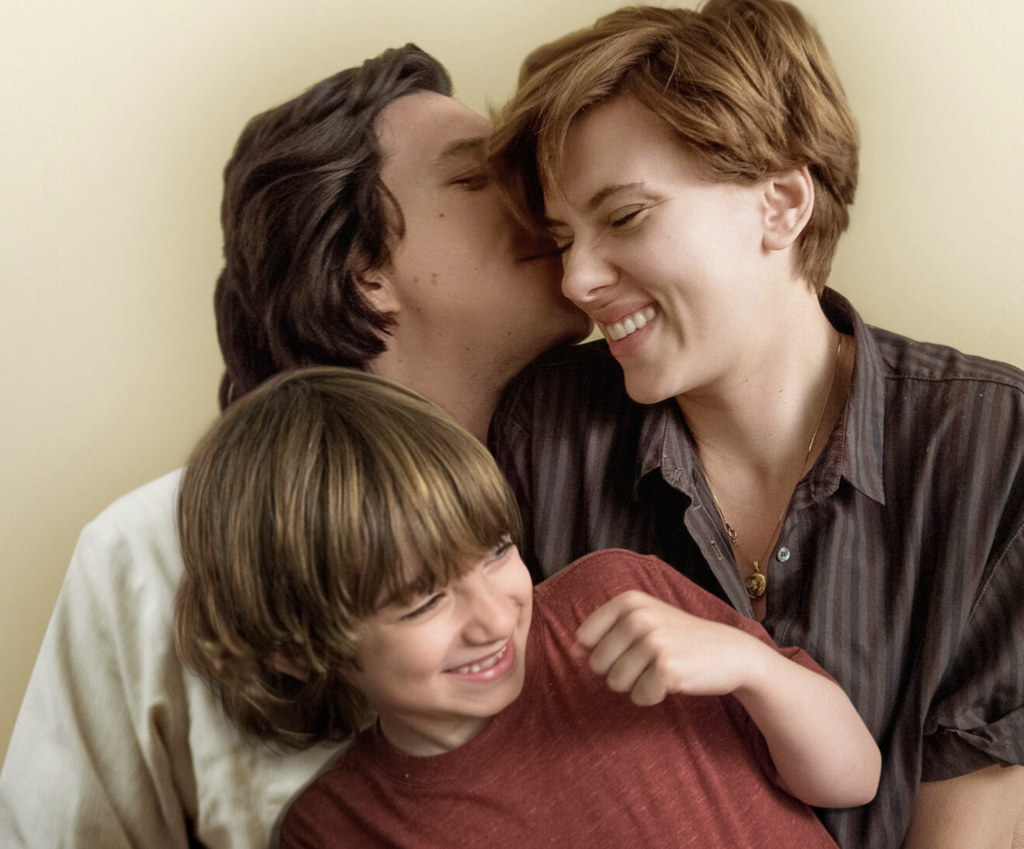
Marriage Story strips away every romanticised idea we associate with weddings and replaces it with emotional honesty. The film follows a couple whose marriage unravels not through one dramatic rupture, but through a series of quiet, cumulative disappointments. There are no sweeping ceremonies here. The wedding exists only as memory, distant and almost irrelevant.
One of the film’s most confronting arcs deals with infidelity, not as a singular betrayal, but as part of a larger emotional disconnect. Even as the relationship collapses, the film centres on co-parenting, showing two people learning to function as a unit for their child when love no longer holds them together. The lesson is clear and sobering. A wedding does not fix a relationship. Commitment, when it endures, requires sustained effort long after the celebration ends.